Margins
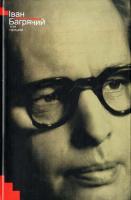
Вибрані твори book cover 1
Вибрані твори
Series · 1 book · 2006

Books in series

Authors

Ivan Bahrianyi
Ivan Bahrianyi
Author · 9 books

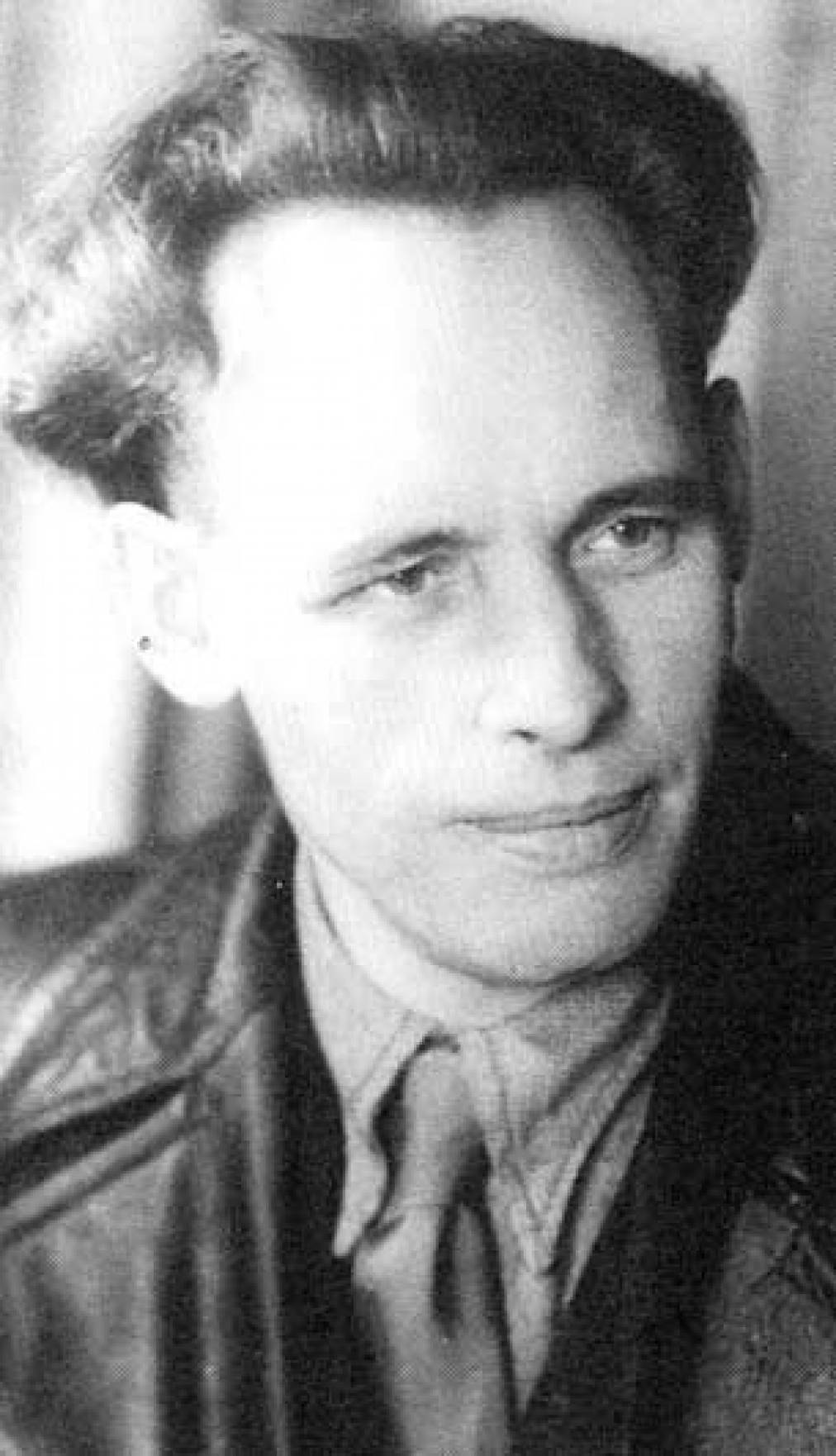
See also Іван Багряний Poet, writer, and publicist Ivan Bahrianyi was lucky – twice he managed to leave the Soviet camps alive. Later, he was able to leave the USSR. In his homeland, his name was erased from memory for a long time. Only with the restoration of Ukraine’s independence Ivan Bahrianyi was able to return symbolically—he was rehabilitated in 1991, and his creative legacy finally began to be published and studied. Ivan Lozoviahin—Bahrianyi’s real surname—was born in Okhtyrka, the Slobozhanshchyna region. “I was still a little 10-year-old boy when the Bolsheviks invaded my consciousness with a bloody nightmare, acting as the executioners of my people, and it was 1920. He lived then with his grandfather in the village, at the apiary. Grandfather was 92 years old and was a one-armed cripple. Then one day, in the evening, some armed people came, speaking in a foreign language, and in front of my eyes and the eyes of other grandchildren, they killed him, and with him one son (and my uncle) under our frantic screams. They tortured my grandfather because he was a wealthy Ukrainian farmer (he owned 40 acres of land) and was against the “commune,” and my uncle because he was a soldier of the national army of the Ukrainian People’s Republic during the national liberation struggle in 1917-18. For fighting for the freedom and independence of his people,” Bahrianyi would later write in the pamphlet “Why I am not going back to the Soviet Union.” His second uncle, who escaped the massacre because he could escape, was later caught and exiled to Solovetsky islands, where he died. “Later, my whole family and I followed the same paths,” the writer noted. In the meantime, the young man tried to survive in the misanthropic Bolshevik state. In his youth, he was a teacher – he had a talent for drawing, so he taught children. He even entered the Kyiv Art Institute but never finished it due to financial difficulties and political unreliability. Therefore, he often changed his place of work and worked in the mines of Donbas. In 1925, in Kamianets-Podilskyi, he was an illustrator in the newspaper “Chervony Kordon,” where he printed his first poems. The same year, under the pseudonym I. Poliarnyi, he published a small collection: “Black Silhouettes: Five Stories” in Okhtyrka, in which he described the unattractive life in the “land of the Soviets.” Ivan Bahrianyi was a member of the literary organization of Kyiv writers “MARS” (“Workshop of the revolutionary word”). In 1927, the first collection of poems “Do mezh zakazannyh”(To the limits ordered) was published, and in 1929 – the poem “Ave Maria,” was immediately forbidden by censorship. The historical novel in verse “Skelka” (1930) was accused of “carrying out counter-revolutionary agitation.” With his works, Bahrianyi constantly maneuvers over the imaginary abyss where all those disloyal to the Bolshevik regime found themselves. On April 16, 1932, the writer was arrested, and after 11 months of imprisonment in the Kharkiv “internal prison,” was sent on a 5-year exile to the Far East. In 1938, a second arrest and a new accusation: participation in a nationalist counter-revolutionary organization. In 1940 due to severe lung disease, the writer was released. And Ivan Bahrianyi wrote about the arrest, torture, and exile in the novel “Sad Hetsymanskyi” (“Garden of Gethsemane”) (1950). During the Second World War, the poet managed to leave for Halychyna, where he wrote the novel “The Beast Hunters” (1944, republished in 1946-1947 under the title “The Tiger Hunters” ). Soon he emigrated to Slovakia, then Austria and Germany. Far from his homeland, Bahrianyi openly wrote about what hurt and worried him.

Іван Багряний
Іван Багряний
Author · 7 books

See also Ivan Bahriany Ворог радянського імперіалізму, якого не подужали енкаведисти. Письменник, якому на диво не заважала, а тільки допомагала політична заанґажованість. Іван Багряний – герой із яскравою, карколомною біографією: і творчою, і особистою, і політичною. Народився 2 жовтня 1906р. в м. Охтирці на Полтавщині у родині сільського робітника-муляра. Навчався у вищій початковій школі, з 1920р. – у ремісничій профтехшколі, звідки перевівся в Краснопільську художньо-керамічну. У 1924р. вступив до Охтирської філії організації «Плуг». У 1925р. під псевдонімом Полярний надрукував свою першу книжку оповідань «Чорні силуети». У 1926р. вступив до Київського художнього інституту, який не закінчив через матеріальну скруту. Тоді під псевдонімом Багряний друкував поезії й оповідання в журналах «Глобус», «Життя й революція», «Червоний шлях» та «Плужанин». Його прийняли до організації МАРС. У 1929р. з’явилася збірка поезій «До меж заказаних» У 1930р. з’являється історичний роман у віршах «Скелька» 16 квітня 1932р. заарештовано за контрреволюційну і націоналістичну діяльність. 16 червня 1938р. знову заарештовують. У 1944р. змушений був емігрувати в Німеччину, залишивши дружину з дітьми вдома. У 1945р. засновує газету «Українські вісті», бере участь у створенні організації МУР (Мистецький український рух), засновує ОДУМ (Об’єднання демократичної української молоді). У 1946р. кількома мовами за кордоном надруковано його памфлет «Чому я не хочу вертати на «родіну»?» Знайшов порятунок душі у новій родині, де народилися син Нестор і донька Роксолана. Помер на 57-му році життя 25 серпня 1963р. Західні дослідники творчості Івана Багряного відзначали унікальну здатність письменника до «кошмарного гротеску», неабиякого гумору серед відчаю, оптимізму — серед трагедії в глухій війні, що проводиться на величезних просторах євразійської імперії. Юзеф Лободовський твердить, що «Сад Гетсиманський» перевищує силою вислову все, що дотепер на цю тему було написано, з другого ж боку — є виразним свідченням глибокого гуманізму автора, що на самому дні пекла зумів побачити людські прикмети навіть у найозвіріліших осібняків". Популярність іншого роману «Тигролови», що його Юрій Шерех вважав утвердженням жанру українського пригодницького роману, — «українського всім своїм духом, усім спрямуванням, усіми ідеями, почуттями, характерами», спричинилася до пародіювання Мосендзом та Кленом образу багрянівського Григорія Многогрішного. Так з'явився гумористичний Горотак, що на думку Лавріненка, читався радше як беззлобний дружній шарж. Зате незадовго до смерті письменника, а саме 1963 року, з'явився друком плід заздрості й ненависті до Багряного, схоже, що витвір аноніма, бо псевдонім і досі не розшифровано, — брудна книженція «На літературному базарі. Поезія, проза і публіцистика Івана Багряного».

548 Market St PMB 65688, San Francisco California 94104-5401 USA
© 2026 Paratext Inc. All rights reserved
Вибрані твори