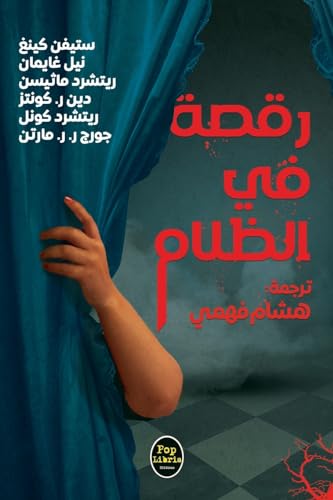



في هذا الكتاب يدعوك المترجم هشام فهمي إلى رقصة من نوع خاص، رقصة في الظلام، برفقة ستّة مؤلِّفين عالميِّين. ما إن تفتح باب الغرفة 1408 حتَّى يأخذ ستيفن كينغ بيدك لترقصا معًا على وقع صنوج دمية القرد المنذرة بالشؤم. سيُلقي بك كينغ بين ذراعي نيل غايمان لتدور معه في عوالمه السِّحريَّة، ثمَّ يتلقَّفك ريتشرد ماثيسن ليتقاسم معك أحد أشنع كوابيسه، ويقذف بك فيما بعد إلى أسفل في الظلام مع دين ر. كونتز، ومِن هناك يقودك ريتشرد كونل إلى منزله الكئيب، قبل أن تجد نفسك في صحبة جورج ر. ر. مارتن الذي يكشف لك عن سرِّ ملوك الرِّمال . ستكون هذه الرَّقصة من أغرب التجارب التي تخوضها. هل أنت مستعد؟ هيا، لنرفع الستار وندخل معًا إلى الظلام.
Authors

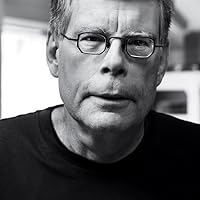
Stephen Edwin King was born the second son of Donald and Nellie Ruth Pillsbury King. After his father left them when Stephen was two, he and his older brother, David, were raised by his mother. Parts of his childhood were spent in Fort Wayne, Indiana, where his father's family was at the time, and in Stratford, Connecticut. When Stephen was eleven, his mother brought her children back to Durham, Maine, for good. Her parents, Guy and Nellie Pillsbury, had become incapacitated with old age, and Ruth King was persuaded by her sisters to take over the physical care of them. Other family members provided a small house in Durham and financial support. After Stephen's grandparents passed away, Mrs. King found work in the kitchens of Pineland, a nearby residential facility for the mentally challenged. Stephen attended the grammar school in Durham and Lisbon Falls High School, graduating in 1966. From his sophomore year at the University of Maine at Orono, he wrote a weekly column for the school newspaper, THE MAINE CAMPUS. He was also active in student politics, serving as a member of the Student Senate. He came to support the anti-war movement on the Orono campus, arriving at his stance from a conservative view that the war in Vietnam was unconstitutional. He graduated in 1970, with a B.A. in English and qualified to teach on the high school level. A draft board examination immediately post-graduation found him 4-F on grounds of high blood pressure, limited vision, flat feet, and punctured eardrums. He met Tabitha Spruce in the stacks of the Fogler Library at the University, where they both worked as students; they married in January of 1971. As Stephen was unable to find placement as a teacher immediately, the Kings lived on his earnings as a laborer at an industrial laundry, and her student loan and savings, with an occasional boost from a short story sale to men's magazines. Stephen made his first professional short story sale ("The Glass Floor") to Startling Mystery Stories in 1967. Throughout the early years of his marriage, he continued to sell stories to men's magazines. Many were gathered into the Night Shift collection or appeared in other anthologies. In the fall of 1971, Stephen began teaching English at Hampden Academy, the public high school in Hampden, Maine. Writing in the evenings and on the weekends, he continued to produce short stories and to work on novels.

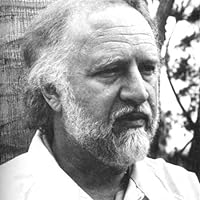
Born in Allendale, New Jersey to Norwegian immigrant parents, Matheson was raised in Brooklyn and graduated from Brooklyn Technical High School in 1943. He then entered the military and spent World War II as an infantry soldier. In 1949 he earned his bachelor's degree in journalism from the University of Missouri and moved to California in 1951. He married in 1952 and has four children, three of whom (Chris, Richard Christian, and Ali Matheson) are writers of fiction and screenplays. His first short story, "Born of Man and Woman," appeared in the Magazine of Fantasy and Science Fiction in 1950. The tale of a monstrous child chained in its parents' cellar, it was told in the first person as the creature's diary (in poignantly non-idiomatic English) and immediately made Matheson famous. Between 1950 and 1971, Matheson produced dozens of stories, frequently blending elements of the science fiction, horror and fantasy genres. Several of his stories, like "Third from the Sun" (1950), "Deadline" (1959) and "Button, Button" (1970) are simple sketches with twist endings; others, like "Trespass" (1953), "Being" (1954) and "Mute" (1962) explore their characters' dilemmas over twenty or thirty pages. Some tales, such as "The Funeral" (1955) and "The Doll that Does Everything" (1954) incorporate zany satirical humour at the expense of genre clichés, and are written in an hysterically overblown prose very different from Matheson's usual pared-down style. Others, like "The Test" (1954) and "Steel" (1956), portray the moral and physical struggles of ordinary people, rather than the then nearly ubiquitous scientists and superheroes, in situations which are at once futuristic and everyday. Still others, such as "Mad House" (1953), "The Curious Child" (1954) and perhaps most famously, "Duel" (1971) are tales of paranoia, in which the everyday environment of the present day becomes inexplicably alien or threatening. He wrote a number of episodes for the American TV series The Twilight Zone, including "Steel," mentioned above and the famous "Nightmare at 20,000 Feet"; adapted the works of Edgar Allan Poe for Roger Corman and Dennis Wheatley's The Devil Rides Out for Hammer Films; and scripted Steven Spielberg's first feature, the TV movie Duel, from his own short story. He also contributed a number of scripts to the Warner Brothers western series "The Lawman" between 1958 and 1962. In 1973, Matheson earned an Edgar Award from the Mystery Writers of America for his teleplay for The Night Stalker, one of two TV movies written by Matheson that preceded the series Kolchak: The Night Stalker. Matheson also wrote the screenplay for Fanatic (US title: Die! Die! My Darling!) starring Talullah Bankhead and Stefanie Powers. Novels include The Shrinking Man (filmed as The Incredible Shrinking Man, again from Matheson's own screenplay), and a science fiction vampire novel, I Am Legend, which has been filmed three times under the titles The Omega Man and The Last Man on Earth and once under the original title. Other Matheson novels turned into notable films include What Dreams May Come, Stir of Echoes, Bid Time Return (as Somewhere in Time), and Hell House (as The Legend of Hell House) and the aforementioned Duel, the last three adapted and scripted by Matheson himself. Three of his short stories were filmed together as Trilogy of Terror, including "Prey" with its famous Zuni warrior doll. In 1960, Matheson published The Beardless Warriors, a nonfantastic, autobiographical novel about teenage American soldiers in World War II. He died at his home on June 23, 2013, at the age of 87 http://us.macmillan.com/author/richar...

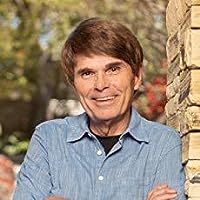
Acknowledged as "America's most popular suspense novelist" (Rolling Stone) and as one of today's most celebrated and successful writers, Dean Ray Koontz has earned the devotion of millions of readers around the world and the praise of critics everywhere for tales of character, mystery, and adventure that strike to the core of what it means to be human. Dean, the author of many #1 New York Times bestsellers, lives in Southern California with his wife, Gerda, their golden retriever, Elsa, and the enduring spirit of their goldens, Trixie and Anna. Facebook: Facebook.com/DeanKoontzOfficial Twitter: @DeanKoontz Website: DeanKoontz.com

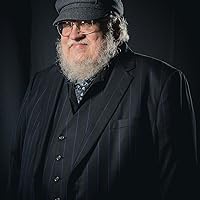
George Raymond Richard "R.R." Martin, born on September 20, 1948, in Bayonne, New Jersey, is a distinguished fantasy and science fiction writer. Son to Raymond Collins Martin, a longshoreman, and Margaret Brady Martin, he grew up with two sisters, Darleen Martin Lapinski and Janet Martin Patten. Martin's passion for writing emerged early, selling monster stories to neighborhood kids, which later evolved into a keen interest in comic books during his high school years, where he also started writing fiction for comic fanzines. His first professional story, The Hero, was sold in 1970 at age 21 and published in Galaxy's February 1971 issue. After earning a B.S. and then a M.S. in Journalism from Northwestern University, Martin served as a conscientious objector with VISTA, tied to the Cook County Legal Assistance Foundation from 1972-1974, alongside directing chess tournaments and teaching journalism. His marriage to Gale Burnick in 1975 ended in divorce by 1979 without children. Martin transitioned to full-time writing in 1979, after a stint as writer-in-residence at Clarke College. In Hollywood, Martin contributed to Twilight Zone and Beauty and the Beast on CBS, later producing his own pilot, Doorways. Residing in Santa Fe, New Mexico, he's been actively involved with the Science Fiction & Fantasy Writers of America and the Writers' Guild of America, West.