Authors

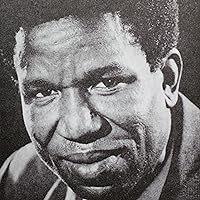
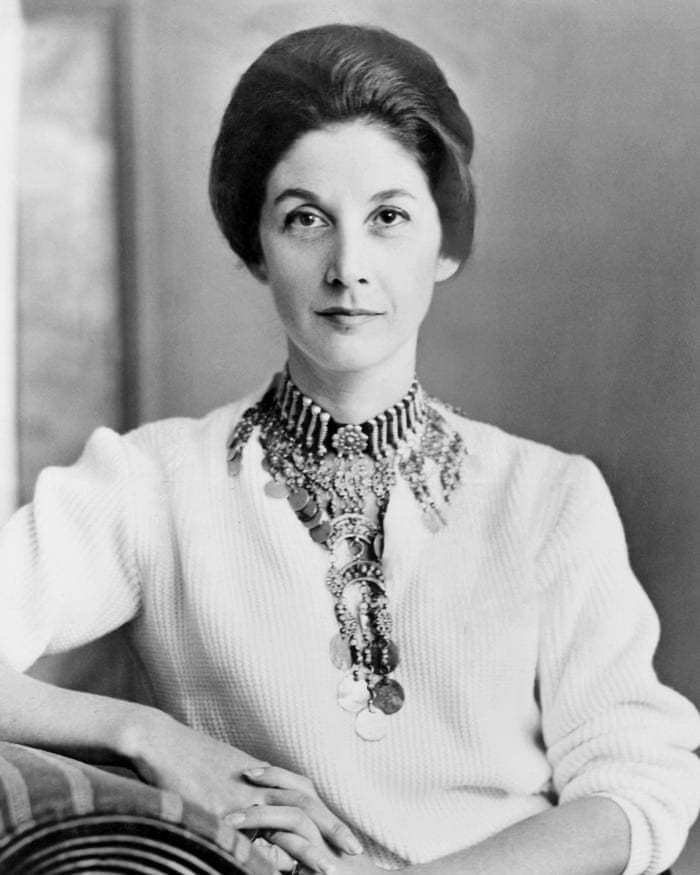
Arabic profile for Nadine Gordimer ولدت نادين في منطقة المناجم في إيست راند بالقرب من جوهانسبرغ في جنوب أفريقيا لأب يهودي وأم مسيحية وقضت فترة طفولتها في القراءة وهي متكئة على الفراش وذلك بسبب مرضها بالقلب كانت القراءة بالنسبة لها مصدر لنبوغها ككاتبة صغيرة فألفت أول رواية لها وهي في عمر الخمسة عشر عام وكانت بعنوان ” تعال غدًا ثانية ” كما أنها نشرت بعض كتاباتها في عدد من المجلات الأمريكية وبدأت تنتج وتكتب حتى أصدرت خمسة عشر مجموعة قصصية وخمسة عشر رواية وكانت اخر رواية لها بعنوان ” لاوقت كالوقت الحاضر ” عام ٢٠١٢ وكانت تحكي قصة مناضلية أفارقة يحاربون التمييز العنصري وقد سعت لاطلاق سراح الزعيم نيلسون مانديلا ليصبحا فيما بعد أصدقاء ومن أصحابها العباقرة ايضًا نجيب محفوظ وكانت مهتمة بقراءة كتاباته ومتابعة أعماله وحصلت على العديد من الجوائز منها جائزة مان بوكر عام ١٩٤٧ عن رواية الناشط البيئي وجائزة نوبل للاداب عام ١٩٩١ وانتهت مسيرتها الأدبية في عام ٢٠١٤ حيث توفت بمنزلها بمدينة جوهانسبرغ

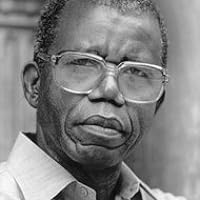
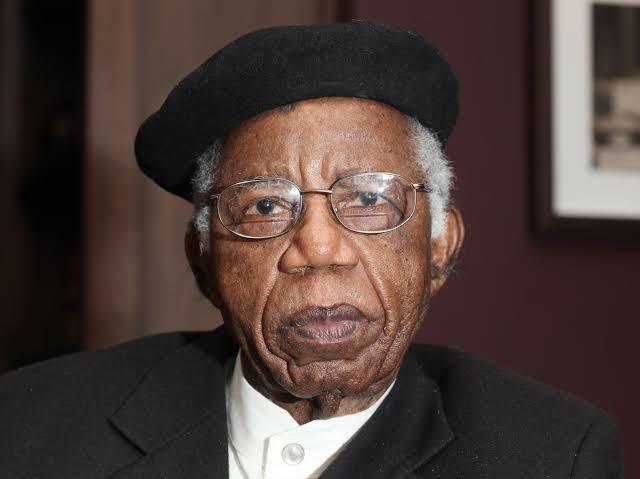
Arabic profile for Chinua Achebe ولد آلبرت تشينوا آتشيبي في منطقة أوجيدي شمالي نيجيريا، منحدرًا من قبيلة «إينو» الإثنية، منتميًا لوالدين مسيحيين. وكان ضمن أول مجموعة من الطلاب تلتحق بجامعة كلية إبادان في نيجيريا. تخرَّج في قسم دراسات اللغة الإنجليزية والتاريخ والدين، ودرَّس لفترة في الجامعة، ثم بدأ العمل في الإذاعة في مدينة لاغوس منذ ١٩٥٤. كتب القصص القصيرة في تلك الفترة من حياته، متأثرًا بالحالة الأدبية التي كان مطلعًا عليها بحكم عمله. لكن التغيير الأكبر في حياته كان سفره إلى إنجلترا.

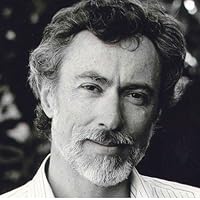
Works, including the novel Things Fall Apart (1958), of Nigerian writer Chinua Achebe describe traditional African life in conflict with colonial rule and westernization. This poet and critic served as professor at Brown University. People best know and most widely read his first book in modern African literature. Christian parents in the Igbo town of Ogidi in southeastern Nigeria reared Achebe, who excelled at school and won a scholarship for undergraduate studies. World religions and traditional African cultures fascinated him, who began stories as a university student. After graduation, he worked for the Nigerian broadcasting service and quickly moved to the metropolis of Lagos. He gained worldwide attention in the late 1950s; his later novels include No Longer at Ease (1960), Arrow of God (1964), A Man of the People (1966), and Anthills of the Savannah (1987). Achebe defended the use of English, a "language of colonizers," in African literature. In 1975, controversy focused on his lecture An Image of Africa: Racism in Conrad's "Heart of Darkness" for its criticism of Joseph Conrad as "a bloody racist." When the region of Biafra broke away from Nigeria in 1967, Achebe, a devoted supporter of independence, served as ambassador for the people of the new nation. The war ravaged the populace, and as starvation and violence took its toll, he appealed to the people of Europe and the Americas for aid. When the Nigerian government retook the region in 1970, he involved in political parties but witnessed the corruption and elitism that duly frustration him, who quickly resigned. He lived in the United States for several years in the 1970s, and after a car accident left him partially disabled, he returned to the United States in 1990. Novels of Achebe focus on the traditions of Igbo society, the effect of Christian influences, and the clash of values during and after the colonial era. His style relied heavily on the Igbo oral tradition, and combines straightforward narration with representations of folk stories, proverbs, and oratory. He also published a number of short stories, children's books, and essay collections. He served as the David and Marianna Fisher university professor of Africana studies at Brown University in Providence, Rhode Island, United States. ollowing a brief illness, Achebe died.


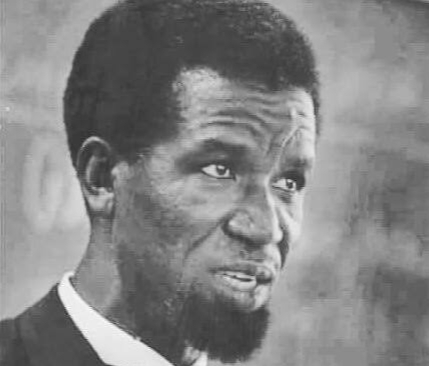
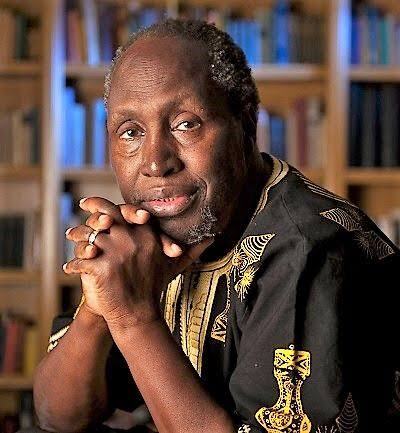
Arabic profile for Ngũgĩ wa Thiong'o ظل الكاتب الكيني نغوغي وا ثيونغو لسنوات عديدة في مقدمة قائمة المرشحين لنيل جائزة نوبل للآداب. ويكتب وا ثيونغو في حقول عديدة كالرواية والقصة القصيرة والمقالة، وتتناول أعماله مساحة واسعة من الاشتغالات تمتد من النقد الاجتماعي والأنثروبولوجيا الثقافية وحتى أدب الأطفال. اعتاد وا ثيونغو على الكتابة باللغة الإنجليزية، ولكنه أحجم عنها في مرحلة ما من تطوره الثقافي وانبرى للكتابة باللغة المحلية واللغة السواحلية. وحينما اعتقلته السلطات الغاشمة في بلاده في سجن شديد الحراسة، اضطر إلى الكتابة على ورق المرحاض. ولد وا ثيونغو في قرية من قرى كينيا وعمّد باسم (جيمس نغوغي) جرياً على تقاليد الكنيسة التي تخلع أسماء قديسين على أسماء المواليد، تيمناً بهم وطلبا لبركة مرجوة، ثم أكمل دراسته وحصل على شهادة البكالوريوس في اللغة الإنكليزية من كلية محلية في العاصمة الأوغندية كمبالا، وخلال فترة تعليمه الجامعية عرضت له مسرحية بعنوان "الناسك الأسود " عام ١٩٦٢. نشر وا ثيونغو روايته الأولى لا تبكِ ياولد)عام ١٩٦٤ عندما كان يكمل دراسته الجامعية العالية في جامعة ليدز البريطانية، وكانت الرواية الأولى التي تنشر بالإنجليزية لكاتب من شرق إفريقيا، ثم نشرت روايته الثانية "النهر الذي بينهم" التي يحكي فيها عن تمرد قبائل الماوماو، وقد وصفت الرواية بأنها حكاية رومانسية حزينة للعنف الذي ساد بين المسيحيين وغير المسيحيين في تلك الأصقاع الإفريقية النائية، وقد اعتمدت هذه الرواية ضمن مناهج الدراسة الثانوية في كينيا. جاءت رواية "حبة قمح" لتؤشر إلى تعلق وا ثيونغو بالماركسية الفانونوية (نسبة إلى فرانز فانون) ، وبعد نشر هذه الرواية تخلى واثيونغو عن كل من اللغة الإنجليزية والمسيحية وعن اسم ( جيمس ) الذي ألحق به عند العماد، معتبراً هذه كلها رموزاً كولونيالية، واعتمد منذ ذلك الحين اسم (نغوغي وا ثيونغو) وابتدأ يكتب بلغة الكيكويو واللغة السواحلية. وكان العمل المسرحي الذي كتبه وا ثيونغو "سأتزوج متى أردت" وقدم عام ١٩٧٧ رسالة سياسية واضحة دفعت نائب الرئيس الكيني آنذاك دانييل أراب موي، إلى سجن واثيونغو في سجن يخضع لحراسة مشددة وقيود صارمة، ما دفع واثيونغو إلى الكتابة من داخل السجن على ورق التواليت الخاص بالمرحاض. بعد إطلاق سراحه من السجن، بعد احتجاجات عالمية، تم فصل واثيونغو من عمله كأستاذ في جامعة نيروبي، وكان للمضايقات الوقحة التي تعرضت لها عائلته بسبب نقده الحاد للحكومة الديكتاتورية أثر بارز في خروجه مع عائلته إلى المنفى، ولم يعودوا إلى كينيا إلا بعد ٢٢ عاماً، بعد أن تمت إزاحة أراب موي عن السلطة.

Nadine Gordimer was a South African writer, political activist, and recipient of the 1991 Nobel Prize in Literature. She was recognized as a woman "who through her magnificent epic writing has – in the words of Alfred Nobel – been of very great benefit to humanity". Gordimer's writing dealt with moral and racial issues, particularly apartheid in South Africa. Under that regime, works such as Burger's Daughter and July's People were banned. She was active in the anti-apartheid movement, joining the African National Congress during the days when the organization was banned. She was also active in HIV/AIDS causes.


Kenyan teacher, novelist, essayist, and playwright, whose works function as an important link between the pioneers of African writing and the younger generation of postcolonial writers. After imprisonment in 1978, Ngũgĩ abandoned using English as the primary language of his work in favor of Gikuyu, his native tongue. The transition from colonialism to postcoloniality and the crisis of modernity has been a central issues in a great deal of Ngũgĩ's writings. Ngũgĩ wa Thiong'o was born in Kamiriithu, near Limuru, Kiambu District, as the fifth child of the third of his father's four wives. At that time Kenya was under British rule, which ended in 1963. Ngũgĩ's family belonged to the Kenya's largest ethnic group, the Gikuyu. His father, Thiong'o wa Nducu, was a peasant farmer, who was forced to become a squatter after the British Imperial Act of 1915. Ngũgĩ attended the mission-run school at Kamaandura in Limuru, Karinga school in Maanguu, and Alliance High School in Kikuyu. During these years Ngũgĩ became a devout Christian. However, at school he also learned about the Gikuyu values and history and underwent the Gikuyu rite of passage ceremony. Later he rejected Christianity, and changed his original name in 1976 from James Ngũgĩ, which he saw as a sign of colonialism, to Ngũgĩ wa Thiong'o in honor of his Gikuyu heritage. After receiving a B.A. in English at Makerere University College in Kampala (Uganda) in 1963, Ngũgĩ worked briefly as a journalist in Nairobi. He married in 1961. Over the next seventeen years his wife, Nyambura, gave birth to six children. In 1962 Ngũgĩ's play THE BLACK HERMIT was produced in Kampala. In 1964 he left for England to pursue graduate studies at the Leeds University in England. The most prominent theme in Ngũgĩ's early work was the conflict between the individual and the community. As a novelist Ngũgĩ made his debut with WEEP NOT, CHILD (1964), which he started to write while he was at school in England. It was the first novel in English to be published by an East African author. Ngũgĩ used the Bildungsroman form to tell the story of a young man, Njoroge. He loses his opportunity for further education when he is caught between idealistic dreams and the violent reality of the colonial exploitation. THE RIVER BETWEEN (1965) had as its background the Mau Mau Rebellion (1952-1956). The story was set in the late 1920s and 1930s and depicted an unhappy love affair in a rural community divided between Christian converts and non-Christians. A GRAIN OF WHEAT (1967) marked Ngũgĩ's break with cultural nationalism and his embracing of Fanonist Marxism. Ngũgĩ refers in the title to the biblical theme of self-sacrifice, a part of the new birth: "unless a grain of wheat die." The allegorical story of one man's mistaken heroism and a search for the betrayer of a Mau Mau leader is set in a village, which has been destroyed in the war. The author's family was involved in the Mau Mau uprising. Ngũgĩ's older brother had joined the movement, his stepbrother was killed, and his mother was arrested and tortured. Ngũgĩ's village suffered in a campaign. In the 1960s Ngũgĩ was a reporter for the Nairobi Daily Nation and editor of Zuka from 1965 to 1970. He worked as a lecturer at several universities - at the University College in Nairobi (1967-69), at the Makerere University in Kampala (1969-70), and at the Northwestern University in Evanston in the United States (1970-71). Ngũgĩ had resigned from his post at Nairobi University as a protest against government interference in the university, be he joined the faculty in 1973, becoming an associate professor and chairman of the department of literature. It had been formed in response to his and his colleagues' criticism of English - the British government had made in the 1950s instruction in English mandatory. Ngũgĩ had asked in an article, written with Taban lo Liyong and Henry Owuor-Anyumba, "If there is need for a 's

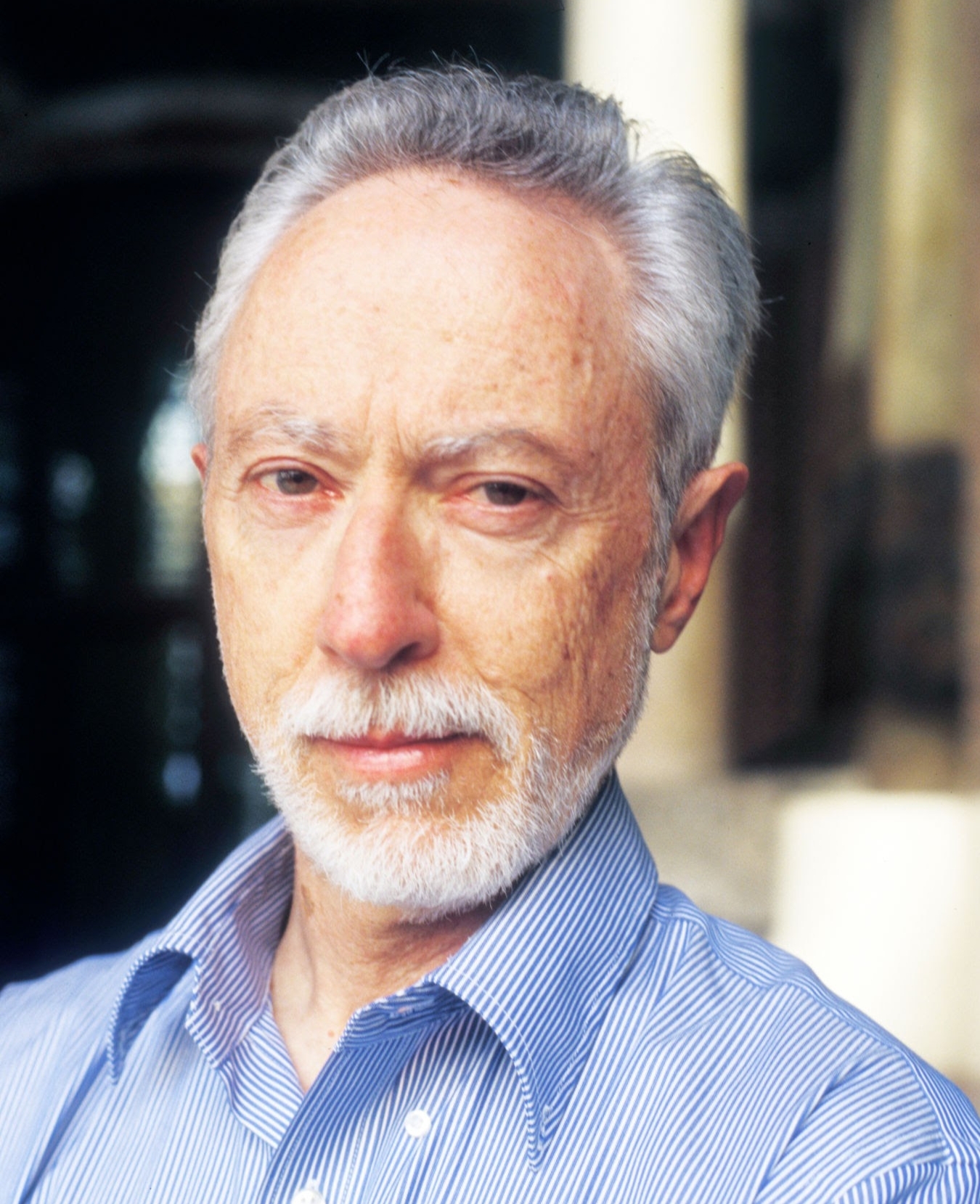
Arabic profile for J.M. Coetzee جون ماكسويل كويتزي هو روائي من جنوب أفريقيا ولد متحصل على جائزة نوبل للآداب سنة ٢٠٠٣ ليصبح ثاني كاتب جنوب أفريقي يفوز بالجائزة بعد نادين غورديمير . ولد كويتزي عام ١٩٤٠ في كيپ تاون وبدأ حياته الروائية سنة ١٩٧٤ . نشأ في بيت يتحدث الإنجليزية رغم أصوله الهولندية وهو يتحدث اللغتين بطلاقة. هو أول كاتب يفوز بجائزة بوكر الأدبية البريطانية المرموقة مرتين. درس في جامعة أديليد الأسترالية وهو يدرس الآن في جامعة شيكاغو .