


პუბლიკაცია "შვილების საკითხავი", რომელიც გლობალური კომპანიის "კაცები ზრუნავენ" ფარგლებში მომზადდა, ცნობილი ქართველი მწერლების მიერ შვილებზე და შვილებისათვის დაწერილ ტექსტებს აერთიანებს. კამპანიის მიზანია, წაახალისოს კაცების, როგორც მზრუნველი მამებისა და პარტნიორების ჩართულობა ოჯახების ჯანმრთელობისა და კეთილდღეობისთვის, რათა კაცებმა მეტად დაუჭირონ მხარი ქალთა სოციალურ და ეკონომიკურ თანასწორობას, მეტი პასუხისმგებლობა აიღონ ბავშვებზე ზრუნვაზე და თანაბრად გაინაწილონ საოჯახო საქმე. ვისაც გსურთ, ამ საყვარელი წიგნის წაკითხვა, მიწერეთ facebook გვერდს - კაცები ზრუნავენ და მოგაწვდიან
Authors

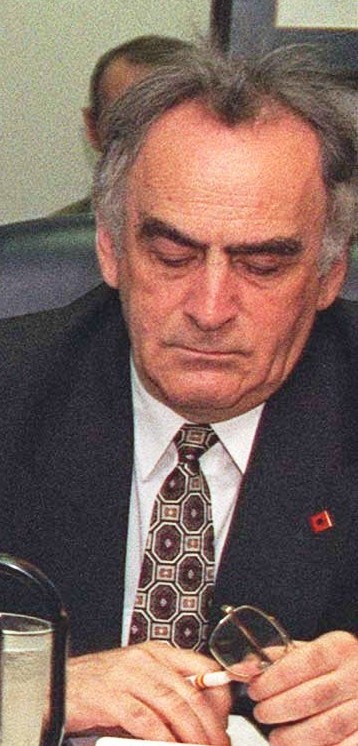
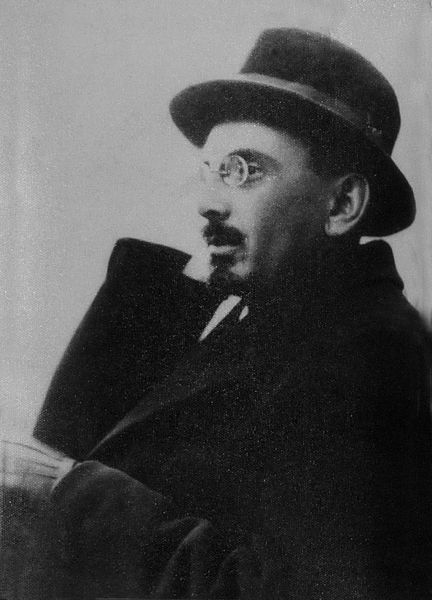
Otar Chiladze (ოთარ ჭილაძე) was a Georgian writer who played a prominent role in the resurrection of the Georgian prose in the post-Stalin era. His novels characteristically fuse Sumerian and Hellenic mythology with the predicaments of a modern Georgian intellectual. Chiladze was born in Sighnaghi, a town in Kakheti, the easternmost province of then-Soviet Georgia. He graduated from the Tbilisi State University with a degree in journalism in 1956. His works, primary poetry, first appeared in the 1950s. At the same time, Chiladze engaged in literary journalism, working for leading magazines in Tbilisi. He gained popularity with his series of lengthy, atmospheric novels, such as A Man Was Going Down the Road (1972–3), "Everyone That Findeth Me" (1976), "Avelum" (1995), and others. He was a chief editor of the literary magazine Mnatobi since 1997. Chiladze also published several collections of poems and plays. He was awarded Shota Rustaveli Prize in 1983 and State Prize of Georgia in 1993.[1] Chiladze died after a long illness in October 2009 and was buried at the Mtatsminda Pantheon in Tbilisi, where some of the most prominent writers, artists, scholars, and national heroes of Georgia are buried..[2] His elder brother Tamaz Chiladze is also a writer.


Otia Ioseliani (Georgian: ოტია იოსელიანი) (June 16, 1930 – July 14, 2011) was a Georgian prose writer and dramatist, whose plays have been successfully staged in Georgia as well as in other countries of the former Soviet Union and East Germany. Otia Ioseliani was born in the village of Gvishtibi, Tsqaltubo District, in then-Soviet Georgia. He began writing in the mid-1950s and published his first collection of stories in 1957. The nationwide recognition came with his first novel The Falling Stars (ვარსკვლავთცვენა, 1962), which, like Ioseliani's many early works, treated the theme of World War II.[1] He then tackled in his works a great variety of themes using different artistic styles. In the 1960s and 1970s, he published popular novels such as Once There Was a Woman (იყო ერთი ქალი, 1970), Taken Prisoner by Prisoners (ტყვეთა ტყვე, 1975), and a number of stories. In the 1960s, Ioseliani first tried his hand at screen scripts and theatre plays, resulting, among others, in the comedies Until the Ox-Cart Turns Over (სანამ ურემი გადაბრუნდება, 1969) and Six Old Maids and a Man (ექვსი შინაბერა და ერთი მამაკაცი, 1971), which were successful enough to fill the theatres in East Berlin. Ioseliani died in 2011 at the age of 81. He was buried in the yard of his own house in his native Gvishtibi according to the will of the late writer. Among his awards was Georgia's Order of Honor.