


Margins
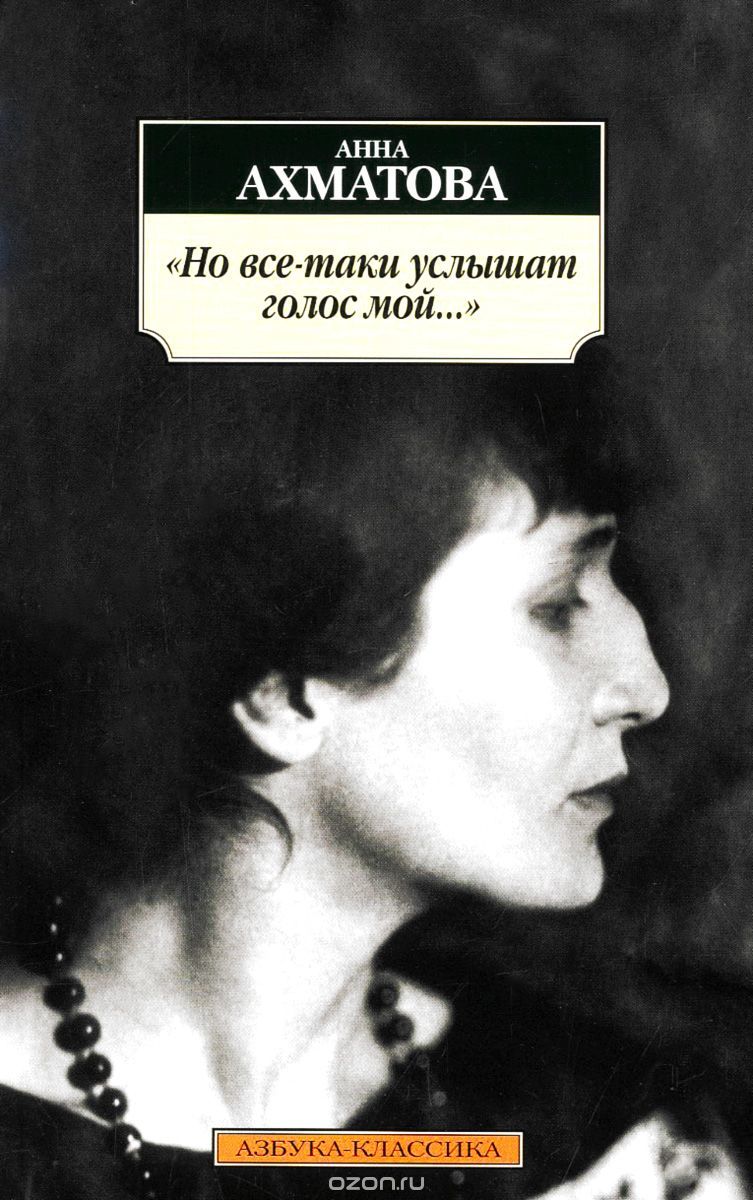
Но все-таки услышат голос мой... book cover
Но все-таки услышат голос мой...
2015
First Published
4.14
Average Rating
288
Number of Pages

"Но все-таки услышат голос мой..." - вторая книга серии из пяти книг под названием "Настоящая Ахматова". В книгу вошли стихотворения 1924-1965 годов. "Я была в великой славе, испытала величайшее бесславие - и убедилась, что, в сущности, это одно и то же", - вторая часть ахматовской цитаты относится именно к этому времени. И еще о том же периоде: "Меня, как реку, суровая эпоха повернула..." В ноябре 1962 года К.И.Чуковский написал: "Сталинская полицейщина разбилась об Ахматову. <...> ...десятки опричников, вооруженных всевозможными орудиями пытки, револьверами, пушками - напали на беззащитную женщину, и она оказалась сильнее. Она победила их всех. <...> Слово поэта всегда сильнее всех полицейских насильников". Серия "Настоящая Ахматова" отличается от всех предшествующих изданий стихотворений и поэм А.Ахматовой прежде всего качеством текстологической подготовки: все тексты этой серии сверены по автографам, хранящимся в государственных архивах и частных собраниях, а также по первым публикациям в периодической печати. В книгах этой серии по возможности сохранены особенности авторского написания, сохраняется авторская пунктуация подлинников, соблюдается вид записи текстов произведений: расположение строк, отступов, "лесенка", курсив, прописные и строчные буквы и т. п. Все книги серии снабжены вступительными статьями и примечаниями.
Avg Rating
4.14
Number of Ratings
7
5 STARS
43%
4 STARS
43%
3 STARS
0%
2 STARS
14%
1 STARS
0%
goodreads

Author

Anna Akhmatova
Anna Akhmatova
Author · 30 books

also known as: Анна Ахматова Personal themes characterize lyrical beauty of noted work of Russian poet Anna Akhmatova, pseudonym of Anna Andreevna Gorenko; the Soviet government banned her books between 1946 and 1958. People credit this modernist of the most acclaimed writers in the canon. Her writing ranges from short lyrics to universalized, ingeniously structured cycles, such as Requiem (1935-40), her tragic masterpiece about the Stalinist terror. Her work addresses a variety of themes including time and memory, the fate of creative women, and the difficulties of living and writing in the shadow of Stalinism. She has been widely translated into many languages, and is one of the best-known Russian poets of 20th century. In 1910, she married the poet, Nikolay Gumilyov, who very soon left her for lion hunting in Africa, the battlefields of World War I, and the society of Parisian grisettes. Her husband did not take her poems seriously, and was shocked when Alexander Blok declared to him that he preferred her poems to his. Their son, Lev, born in 1912, was to become a famous Neo-Eurasianist historian. Nikolay Gumilyov was executed in 1921 for activities considered anti-Soviet; Akhmatova then married a prominent Assyriologist Vladimir Shilejko, and then an art scholar, Nikolay Punin, who died in the Stalinist Gulag camps. After that, she spurned several proposals from the married poet, Boris Pasternak. After 1922, Akhmatova was condemned as a bourgeois element, and from 1925 to 1940, her poetry was banned from publication. She earned her living by translating Leopardi and publishing essays, including some brilliant essays on Pushkin, in scholarly periodicals. All of her friends either emigrated or were repressed. Her son spent his youth in Stalinist gulags, and she even resorted to publishing several poems in praise of Stalin to secure his release. Their relations remained strained, however. Akhmatova died at the age of 76 in St. Peterburg. She was interred at Komarovo Cemetery. There is a museum devoted to Akhmatova at the apartment where she lived with Nikolai Punin at the garden wing of the Fountain House (more properly known as the Sheremetev Palace) on the Fontanka Embankment, where Akhmatova lived from the mid 1920s until 1952.

548 Market St PMB 65688, San Francisco California 94104-5401 USA
© 2025 Paratext Inc. All rights reserved