Margins
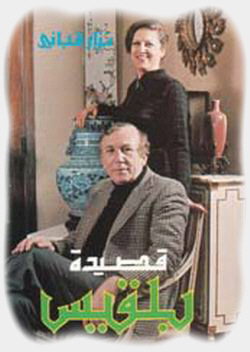
قصيدة بلقيس book cover
قصيدة بلقيس
1982
First Published
4.28
Average Rating
151
Number of Pages

التقى نزار "بلقيس " للمرة الأولى ولم يكن يعرف أن عقله وقلبه سيتعلقان بها إلى هذا الحد المجنون, الذي دفعه رغم الرفض المتواصل إلى التقدم لخطبتها حتى نال ما كان يحلم به, التقاها في حفل استقبال بسيط في إحدى السفارات العربية في بيروت, وكان خارجا لتوه من أزمة وفاة زوجته الأولى " زهراء" الدمشقية, وولدة " توفيق " الذي توفي إثر عملية جراحية للقلب في لندن, وهو ما يزال في الثانية والعشرين من عمره . وكانت ابنته الوحيدة " هدباء " قد تزوجت وانتقلت لتعيش مع زوجها في إحدى دول الخليج العربي كان نزار وحيدا تماما وكانت بلقيس قبيلة من النساء, هيفاء فرعاء يكاد شعرها يلامس الأرض في استرسال لم تر عين نزار مثله . وهكذا رأها, بشكل جعلة يعود إلى كتابة الشعر مرة أخرى بعد توقف دام ثلاث سنوات,لم يكن يعرف له نزار مبررا. ويقول :" لكنها بلقيس, أعادت الحبر للأقلام مثلما أعادت الدماء للعروق تقدم نزار لخطبة بلقيس لأول مرة عام 1962 لكن عائلتها رفضت لما كانت تسمع عن نزار من أنه شاعر النساء والغزل والحب . ولم تأمن على ابنتها أن تعيش مع رجل كل كلامه عن النساء . ظل نزار يلاحقها بإصرار شديد مدة سبع سنين, رفضت من خلالها بلقيس أشخاصاً عديدين لأنها تحب نزار على الرغم من أنه يكبرها كثيرا, وكانت لم تتجاوز الــ 23 من عمرها وهو في سن الاربعين عاود الكره عام 1969, وكانت الموافقة وتزوجا ليعيشا معا في بيروت, ورزقا بطفلين : زينب وعمــر ونعم نزار معها بحب عميق لا تشوبه شائبة ولا تعكر صفوه الأيام حتى جاء اليوم الذي فقد فيه نزار فاتنته العراقية. فقد قتلت بلقيس عام 1981 في حادث انفجار دمر السفارة العراقية في بيروت . وبكى نزار بمرارة زوجته التي سقته من حنانها 12 عاما, نعم فيها ما كان قد افتقده حيث صار نزار يجمع ولديه ، زينب وعمر, ويغلق بابه منذ الغروب, بعيدا عن الناس, عله يسبح بخياله فيقابل طيف بلقيس فنطق من شعره أروع القصائد ألا وهي قصيدة بلقيس رثاء بلقيس لا تكفيه بضعة أسطر.. لقد خط نزار قصيدة بطول المعلقات في رثائها، لأنها في نظره رثاء للأمة العربية كلها!

Avg Rating
4.28
Number of Ratings
3,300
5 STARS
52%
4 STARS
30%
3 STARS
13%
2 STARS
3%
1 STARS
1%
goodreads

Authors

Nizar Qabbani
Nizar Qabbani
Author · 71 books

Nizar Tawfiq Qabbani was a Syrian diplomat, poet and publisher. His poetic style combines simplicity and elegance in exploring themes of love, eroticism, feminism, religion, and Arab nationalism. Qabbani is one of the most revered contemporary poets in the Arab world, and is considered to be Syria's National Poet. When Qabbani was 15, his sister, who was 25 at the time, committed suicide because she refused to marry a man she did not love. During her funeral he decided to fight the social conditions he saw as causing her death. When asked whether he was a revolutionary, the poet answered: “Love in the Arab world is like a prisoner, and I want to set (it) free. I want to free the Arab soul, sense and body with my poetry. The relationships between men and women in our society are not healthy.” He is known as one of the most feminist and progressive intellectuals of his time. While a student in college he wrote his first collection of poems entitled The Brunette Told Me. It was a collection of romantic verses that made several startling references to a woman's body, sending shock waves throughout the conservative society in Damascus. To make it more acceptable, Qabbani showed it to Munir al-Ajlani, the minister of education who was also a friend of his father and a leading nationalist leader in Syria. Ajlani liked the poems and endorsed them by writing the preface for Nizar's first book. The city of Damascus remained a powerful muse in his poetry, most notably in the Jasmine Scent of Damascus. The 1967 Six-Day War also influenced his poetry and his lament for the Arab cause. The defeat marked a qualitative shift in Qabbani's work – from erotic love poems to poems with overt political themes of rejectionism and resistance. For instance, his poem Marginal Notes on the Book of Defeat, a stinging self-criticism of Arab inferiority, drew anger from both the right and left sides of the Arab political dialogue.

نزار قباني
نزار قباني
Author · 88 books

* Arabic bio below السيرة الذاتية العربية أدناه Nizar Tawfiq Qabbani was a Syrian diplomat, poet and publisher. His poetic style combines simplicity and elegance in exploring themes of love, eroticism, feminism, religion, and Arab nationalism. Qabbani is one of the most revered contemporary poets in the Arab world, and is considered to be Syria's National Poet. When Qabbani was 15, his sister, who was 25 at the time, committed suicide because she refused to marry a man she did not love. During her funeral he decided to fight the social conditions he saw as causing her death. When asked whether he was a revolutionary, the poet answered: “Love in the Arab world is like a prisoner, and I want to set (it) free. I want to free the Arab soul, sense and body with my poetry. The relationships between men and women in our society are not healthy.” He is known as one of the most feminist and progressive intellectuals of his time. While a student in college he wrote his first collection of poems entitled The Brunette Told Me. It was a collection of romantic verses that made several startling references to a woman's body, sending shock waves throughout the conservative society in Damascus. To make it more acceptable, Qabbani showed it to Munir al-Ajlani, the minister of education who was also a friend of his father and a leading nationalist leader in Syria. Ajlani liked the poems and endorsed them by writing the preface for Nizar's first book. The city of Damascus remained a powerful muse in his poetry, most notably in the Jasmine Scent of Damascus. The 1967 Six-Day War also influenced his poetry and his lament for the Arab cause. The defeat marked a qualitative shift in Qabbani's work – from erotic love poems to poems with overt political themes of rejectionism and resistance. For instance, his poem Marginal Notes on the Book of Defeat, a stinging self-criticism of Arab inferiority, drew anger from both the right and left sides of the Arab political dialogue. ولد نزار قباني في مدينة دمشق لأسرة من أصل تركي، واسم عائلته الأصلي آقبيق (عائلة مشهورة في دمشق، آق تعني الأبض وبيق يعني الشارب) حيث قدم جده من مدينة قونية التركية ليستقر في دمشق، عمل أبوه في صناعة الحلويات وكان يساعد المقاومين في نضالهم ضد الفرنسيين – في عهد الانتداب الفرنسي لسوريا - عمه أبو خليل القباني رائد المسرح العربي, ومن أوائل المبدعين في فن المسرح العربي. اشتهر شعره بتميز واضح وابداع متأثرا بكل ما حوله فكتب عن المرأة الكثير، كان لانتحار أخته بسبب رفضها الزواج من رجل لا تحبه، أثر عميق في نفسه وشعره، فعرض قضية المرأة و العالم العربي في العديد من قصائده، رافضا شوفينية الرجال. نقلت هزيمة 1967 شعر نزار قباني نقلة نوعية : من شعر الحب إلى شعر السياسة والرفض والمقاومة فكانت قصيدته " هوامش على دفتر النكسة " 1967 التي كانت نقدا ذاتيا جارحا للتقصير العربي، مما آثار عليه غضب اليمين واليسار معا. جمع في شعره كلا من البساطة والبلاغة اللتين تميزان الشعر الحديث، وأبدع في كتابة الشعر الوطني والغزلي. غنى العديد من الفنانين أشعاره، أبرزهم أم كلثوم عبد الحليم حافظ ونجاة الصغيرة وفيروز وماجدة الرومي وكاظم الساهر ومحمد عبد الوهاب، واكتسب شهرة ومحبة واسعة جدا بين المثقفين والقراء في العالم العربي. كان يتقن اللغة الإنجليزية، خاصة وأنه تعلم تلك اللغة على أصولها، عندما عمل سفيراً لسوريا في لندن بين عامي 1952 - 1955. بدأ نزار يكتب الشعر وعمره 16 سنة وأصدر أول دواوينه " قالت لي السمراء " عام 1944 بدمشق وكان طالبا بكلية الحقوق، وطبعه على نفقته الخاصة. له عدد كبير من دواوين الشعر، تصل إلى 35 ديواناً، كتبها على مدار ما يزيد على نصف قرن أهمها " طفولة نهد ، الرسم بالكلمات ، قصائد ، سامبا ، أنت لي " . لنزار عدد كبير من الكتب النثرية أهمها : " قصتي مع الشعر ، ما هو الشعر ، 100 رسالة حب " . ويعتبر قصتي مع الشعر السيرة الذاتية لنزار قباني .. حيث كان رافضا مطلق الرفض ان تكتب سيرته على يد أحد سواه وقد طبعت جميع دواوين نزار قباني ضمن مجلدات تحمل اسم المجموعة الكاملة لنزار قباني. وافته المنية في لندن يوم 30/4/1998 عن عمر يناهز 75 عاما كان منها 50 عاماً بين الفن والحب والغضب.

548 Market St PMB 65688, San Francisco California 94104-5401 USA
© 2026 Paratext Inc. All rights reserved