


Margins
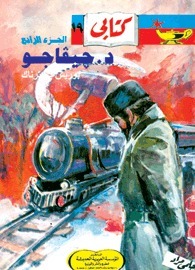
د. جيفاجو - الجزء الرابع book cover
د. جيفاجو - الجزء الرابع
2000
First Published
4.00
Average Rating
256
Number of Pages

عزيزى القـارئ : فى الكتب الثلاثة السابقة ، قدمت لك الأجزاء الثلاثة الأولى من الترجمة الكاملة الأمينة لملحمة العصر هذه ( دكتور چيڤـاجو ) ، واليوم أقدم لك الجزء الرابع والأخيـر من هذه الترجمة . وبذلك يكتمل لك النص الكامل لهـذه الملحمة التى استحق المؤلف من أجلها جائزة نوبل للأدب .
Avg Rating
4.00
Number of Ratings
25
5 STARS
28%
4 STARS
56%
3 STARS
8%
2 STARS
4%
1 STARS
4%
goodreads

Authors

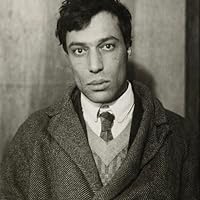
Boris Pasternak
Boris Pasternak
Author · 29 books

Boris Leonidovich Pasternak was born in Moscow to talented artists: his father a painter and illustrator of Tolstoy's works, his mother a well-known concert pianist. Though his parents were both Jewish, they became Christianized, first as Russian Orthodox and later as Tolstoyan Christians. Pasternak's education began in a German Gymnasium in Moscow and was continued at the University of Moscow. Under the influence of the composer Scriabin, Pasternak took up the study of musical composition for six years from 1904 to 1910. By 1912 he had renounced music as his calling in life and went to the University of Marburg, Germany, to study philosophy. After four months there and a trip to Italy, he returned to Russia and decided to dedicate himself to literature. Pasternak's first books of verse went unnoticed. With My Sister Life, 1922, and Themes and Variations, 1923, the latter marked by an extreme, though sober style, Pasternak first gained a place as a leading poet among his Russian contemporaries. In 1924 he published Sublime Malady, which portrayed the 1905 revolt as he saw it, and The Childhood of Luvers, a lyrical and psychological depiction of a young girl on the threshold of womanhood. A collection of four short stories was published the following year under the title Aerial Ways. In 1927 Pasternak again returned to the revolution of 1905 as a subject for two long works: "Lieutenant Schmidt", a poem expressing threnodic sorrow for the fate of the Lieutenant, the leader of the mutiny at Sevastopol, and "The Year 1905", a powerful but diffuse poem which concentrates on the events related to the revolution of 1905. Pasternak's reticent autobiography, Safe Conduct, appeared in 1931, and was followed the next year by a collection of lyrics, Second Birth, 1932. In 1935 he published translations of some Georgian poets and subsequently translated the major dramas of Shakespeare, several of the works of Goethe, Schiller, Kleist, and Ben Jonson, and poems by Petöfi, Verlaine, Swinburne, Shelley, and others. In Early Trains, a collection of poems written since 1936, was published in 1943 and enlarged and reissued in 1945 as Wide Spaces of the Earth. In 1957 Doctor Zhivago, Pasternak's only novel - except for the earlier "novel in verse", Spektorsky (1926) - first appeared in an Italian translation and has been acclaimed by some critics as a successful attempt at combining lyrical-descriptive and epic-dramatic styles. Pasternak lived in Peredelkino, near Moscow, until his death in 1960.

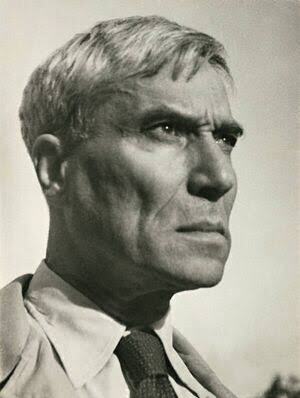
بوريس باسترناك
بوريس باسترناك
Author · 4 books

Arabic profile for Boris Pasternak بوريس ليونيدوفيتش باسترناك. كاتب وشاعر روسى عرف في الغرب بروايته المؤثرة عن الاتحاد السوفيتى "الدكتور زيفاجو"، ويعد من أبرز الكتاب فى بلاده. كما أن له مجموعة شعرية تعد من أبرز المجمواعات التى عرفت فى العالم وهى "حياتى الشقيقة". لم تقتصر موهبة بوريس باسترناك، على الكتابة فقط، بل إنه كان متميزا فى الرسم أيضًا، وكان يعمل أستاذا بمعهد الفنون، وساعده فى تنمية موهبته نشأته المتفتحة على مختلف الثقافات، فكانت والدته عازفة بيانو مشهورة وهى روزا كوفمان، وكان أصحاب والده كبار المثقفين مثل سيرجى رحمانينوف، ريلكه، وليو تولستوي. أصدر بوريس باسترناك ديوانه الأول فى عام ١٩١٤م، وكانت أشعاره ذات نسيج متميز أظهرات قدرته على استخدام نوع من التباين فى المعانى لكلمات متجاورة ومتشابهة فى البناء اللغوى، خلال ذروة حملات التطهير الكبير فى أواخر الثلاثينيات، شعر باسترناك بالخذلان والخيبة من الشعارات الشيوعية وامتنع عن نشر شعره وتوجه إلى ترجمة الشعر العالمى إلى الروسية: ترجم لشكسبير "هاملت، ماكبث، الملك لير"، وغوته "فاوست" وريلكه، بالإضافة إلى مجموعة من الشعراء الجورجيين الذين كان يحبهم ستالين. وخلال عمله أثناء الحرب العالمية الأولى، فى مختبر للكيميائيات فى الاورال، اكتسب مادة أولية استخدمها لاحقا فى كتابة روايت "دكتور زيفاجو"، وقيل إن بطلة روايته "لارا" هى عشيقته اولجا ايفنسكايا، وبسبب من الانتقاد الشديد الموجه للنظام الشيوعى، لم يجد باسترناك ناشرًا ينشر الرواية فى الاتحاد السوفيتي، واستطاع وقتها أن ينشرها فى إيطاليا، عام ١٩٥٧، ونجحت نجاحًا كبيرًا، وأحدث أصداء سلبا فى الاتحاد السوفيتي، وإيجاباً فى الغرب، لدرجة أن النقاد طالبوا بطرده. وحازت الرواية فى العام التالى ١٩٥٨ جائزة نوبل للآداب، لكنه رفضها ليرحل فى ٣٠ مايو ١٩٦٠م، دون أن يتم نشر الرواية فى الاتحاد السوفيتى، لكنها نشرت عام ١٩٨٧.

548 Market St PMB 65688, San Francisco California 94104-5401 USA
© 2026 Paratext Inc. All rights reserved