



«كانت عينا أوليا تعكسان الحقيقةَ وحْدَها، فإذا كان شخصٌ ما قاسي القلب لكنَّ له وجهًا جميلًا وثيابًا فاخرة، فإنه يلوح في عينَي أوليا قبيحَ المنظر تغطِّيه القروح بدلًا من الزينة.» ذات يومٍ عثَر أحد المارة تحت شجرة صَنَوبر على رضيعة لم تبلغ من العُمر سوى أسابيع قليلة، فتكفَّل بتربيتها زوجان لا خَلفَ لهما، وسمَّياها «أوليا»، فملأت عليهما حياتهما وأصبحت قُرَّة أعينهما. كانت «أوليا» فتاةً شديدةَ الجمال، ذات عينَين صافيتَين جذَّابتَين، وكان كلُّ مَن يتطلَّع إليها وينظر في عُمق عينَيها يرى حقيقة شخصه، أمَّا هي فكانت دائمًا ما ترى عكسَ الحقيقة؛ ترى كلَّ جميل قبيحًا، وكلَّ قبيح جميلًا، كانت تهوى الظلام وتخشى النور، تكره الزهور وتحب الأعشاب السوداء، وظلَّت على هذه ا
Authors

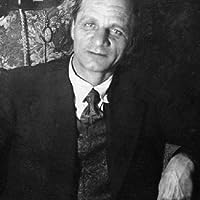
Andrei Platonov, August 28, 1899 – January 5, 1951, was the pen name of Andrei Platonovich Klimentov, a Soviet author whose works anticipate existentialism. Although Platonov was a Communist, his works were banned in his own lifetime for their skeptical attitude toward collectivization and other Stalinist policies. From 1918 through 1921, his most intensive period as a writer, he published dozens of poems (an anthology appeared in 1922), several stories, and hundreds of articles and essays, adopting in 1920 the Platonov pen-name by which he is best-known. With remarkably high energy and intellectual precocity he wrote confidently across a wide range of topics including literature, art, cultural life, science, philosophy, religion, education, politics, the civil war, foreign relations, economics, technology, famine, and land reclamation, amongst others. His famous works include the novels The Foundation Pit and Chevengur.