Margins




548 Market St PMB 65688, San Francisco California 94104-5401 USA
© 2026 Paratext Inc. All rights reserved
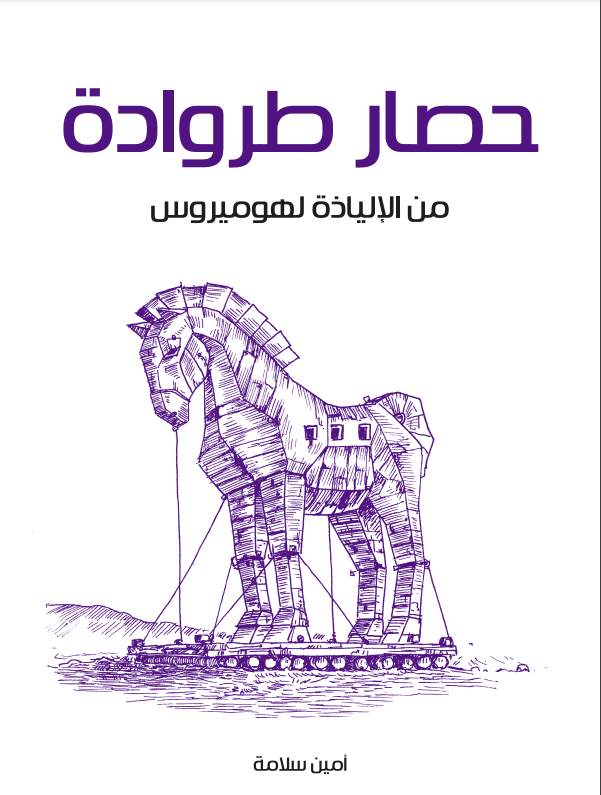
«ولكنه فُوجِئ بأفروديتي — ربَّة الجَمال والحُب — تقف في دَلال، وتتقدَّم منه في خُيلاء، وترنو إليه بابتسامةٍ رائعة، لم يستطِع لسِحرها مقاوَمة، ولا عليه امتناعًا، وتقول له بصوتٍ نديٍّ رخيم، كأنما يُعلن به الحبُّ عن نفسه: «أيْ باريس، أعطني التفاحة، وسوف أهَبُك أجملَ امرأة في العالم؛ لتُصبح زوجةً لك!» ولم يتمالك باريس نفسَه، ولم يخامره التردُّد لحظة، بل اندفع مسرعًا، وأعطى أفروديتي — ربَّة الجَمال والحُب — التفاحة.» لم تحظَ حربٌ في التاريخ باهتمام المؤرِّخين والأدباء والشعراء مثلما حظيت حربُ طروادة، فنُسِجت حولها الحكاياتُ والملاحم والأشعار، ولعل مَلحمتَي «الإلياذة» و«الأوديسة» أشهرُ الأدبيات التي استقى منها الكتَّاب رواياتهم حول هذه الحرب. والكتاب الذي بين أيدينا هو أحدُ هذه الروايات، وهو يبدأ بالحُلم المزعِج الذي رأته «هيكابي» زوجةُ «برياموس» ملكِ طروادة أثناء حملها الثاني؛ إذ رأت أنها أنجبت شعلةً متوهِّجة من النار سرعان ما انتشرَت في أرجاء طروادة، فيقرِّر «برياموس» بعد أن تضع زوجته حَمْلها التخلُّص من وليده فوق قمة جبل «إيدا»، أملًا في أن تفترسه الوحوش الضارية. لكن القدَر كان يحمل شيئًا آخر؛ فقد عاش ابنه الذي سُمي «باريس»، وكبُر وعرَف بدمائه المَلَكية، وعاد بعد عشرين عامًا إلى أبيه. فهل سيتحقَّق حُلم «هيكابي» المخيف؟ سنرى!