



في زمنٍ بعيد، وفي مكان لا يشبه أي مكان، يلتقي مُستكشِف عائد من رحلة بين النجوم، وقد خاب أمله بعد فشله في العثور على حياة ذكية في الفضاء، بعالِم آثار يحمل خبرًا سيقلب نظرتهما معًا إلى الماضي والمستقبل؛ اكتشاف أثري غامض سيغير فهمهما للعالَم حول مصير الحضارات وطبيعة الذكاء نفسه؛ بقايا حضارة مجهولة تكشف عن جنسٍ ذكي عاش على الأرض منذ زمن سحيق. مَن كانوا؟ وكيف عاشوا؟ ولماذا اختفوا؟ تأتي النهاية المُفاجِئة لتُغيِّر معنى الاكتشاف كله، وتترك القارئ في صدمة لن ينساها! القصة تمزج بين الخيال العلمي الفلسفي والسخرية السوداء، تستفز القارئ ليفكر في مستقبل البشرية، وفي هشاشة كل ما نعُده تقدمًا. إنها قراءة قصيرة لكن كثيفة الأفكار، تحمل توقيع «لايبر» المعتاد: ذكاء حاد ولغة موحية وعمق يتجاوز حجمه بكثير. تستكشف القصة موضوعات الذكاء والانقراض وطبيعة الحضارة، وتعيد طرح السؤال القديم: «ماذا نعرف حقًّا عن الحضارات التي سبقتنا؟ وكيف يمكن لاكتشاف أن يعيد تشكيل معنى الوجود كله؟». تنتهي القصة بنبرة مؤثرة، مُؤكِّدة المصير المشترك للكائنات الذكية والبقايا التي تتركها وراءها. قصة تنبض بالتساؤل وتُخفِي أكثر مما تُظهِر، تفتح نافذة على تاريخ لم يُكتب بعد بالكامل.
Author

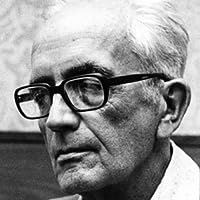
Fritz Reuter Leiber Jr. was one of the more interesting of the young writers who came into HP Lovecraft's orbit, and some of his best early short fiction is horror rather than sf or fantasy. He found his mature voice early in the first of the sword-and-sorcery adventures featuring the large sensitive barbarian Fafhrd and the small street-smart-ish Gray Mouser; he returned to this series at various points in his career, using it sometimes for farce and sometimes for gloomy mood pieces—The Swords of Lankhmar is perhaps the best single volume of their adventures. Leiber's science fiction includes the planet-smashing The Wanderer in which a large cast mostly survive flood, fire, and the sexual attentions of feline aliens, and the satirical A Spectre is Haunting Texas in which a gangling, exo-skeleton-clad actor from the Moon leads a revolution and finds his true love. Leiber's late short fiction, and the fine horror novel Our Lady of Darkness, combine autobiographical issues like his struggle with depression and alcoholism with meditations on the emotional content of the fantastic genres. Leiber's capacity for endless self-reinvention and productive self-examination kept him, until his death, one of the most modern of his sf generation. Used These Alternate Names: Maurice Breçon, Fric Lajber, Fritz Leiber, Jr., Fritz R. Leiber, Fritz Leiber Jun., Фриц Лейбер, F. Lieber, フリッツ・ライバー