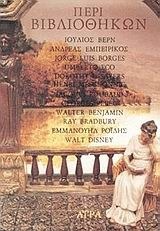



Το Περί βιβλιοθηκών είναι μία βιβλιοφιλική και παιγνιώδης ανθολογία κειμένων για βιβλιοθήκες - δημόσιες ή ιδιωτικές. Αρχίζοντας με τη βιβλιοθήκη του "Ναυτίλου" του πλοιάρχου Νέμο στον Ιούλιο Βερν και τη βιβλιοθήκε του "Μεγάλου Ανατολικού" στον Ανδρέα Εμπειρίκο, προχωράμε στην ατέρμονη βιβλιοθήκη, μεταφορά του σύμπαντος, του Borges. O Umberto Eco σχολιάζει την ιδανική σύγχρονη βιβλιοθήκη. Ο Perec παίζει με την ταξινόμηση των βιβλίων κι ο Jacques Roubaud με τις στρατηγικές που αναπτύσσει η βιβλιοθήκη για να μην παραδώσει τα ποθητά βιβλία στους αναγνώστες. Στην Dorothy Sayers η βιβλιοθήκη γίνεται τόπος οργάνωσης φόνου. Η βιβλιοθήκη ενός βιβλιόφιλου, του Walter Benjamin, ξαναστήνεται όταν βγαίνουν τα βιβλία από τις κούτες μετά από δυο χρόνια. Στη μελλοντική κοινωνία του Ray Bradbury, όπου απαγορεύονται τα βιβλία, οι άνθρωποι αποστηθίζουν τα κείμενα και γίνονται οι ίδιοι βιβλία και η κοινότητα ολόκληρη μια βιβλιοθήκη. Στον Ροΐδη σχολιάζεται καυστικά η δική μας Εθνική Βιβλιοθήκη το 1880. Ο Nerval κάτι αναφέρει, το 1850, για τη νέα πληγή των γαλλικών βιβλιοθηκών, τον ποντικό των Αθηνών, που ήρθε σε κούτες με βιβλία της Γαλλικής Σχολής της Αθήνας. Και, στη βιβλιοθήκη του θείου Σκρουτζ, ανευρίσκεται ο χαμένος χάρτης ενός νησιού με θησαυρό… Η βιβλιοθήκη ως ουτοπία, η βιβλιοθήκη ως τόπος ερωτικών συνευρέσεων, η βιβλιοθήκη ως καπνιστήριο, ως τόπος οργάνωσης φόνων, η βιβλιοθήκη ως εχθρός του αναγνώστη, η βιβλιοθήκη που τρελαίνει τον ορθολογικό ταξιθέτη, η βιβλιοθήκη του βιβλιόφιλου, η βιβλιοθήκη ως μνήμη και ως τόπος ανευρέσεως θησαυρών… "Η ταξινόμηση μιας βιβλιοθήκης είναι η άσκηση / με ηρεμία και απλότητα / της τέχνης της κριτικής". Jorge Luis Borges
Authors

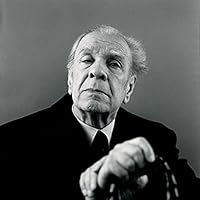
Jorge Francisco Isidoro Luis Borges Acevedo, usually referred to as Jorge Luis Borges (Spanish pronunciation: [xoɾxe lwis boɾxes]), was an Argentine writer and poet born in Buenos Aires. In 1914, his family moved to Switzerland where he attended school and traveled to Spain. On his return to Argentina in 1921, Borges began publishing his poems and essays in Surrealist literary journals. He also worked as a librarian and public lecturer. Borges was fluent in several languages. He was a target of political persecution during the Peron regime, and supported the military juntas that overthrew it. Due to a hereditary condition, Borges became blind in his late fifties. In 1955, he was appointed director of the National Public Library (Biblioteca Nacional) and professor of Literature at the University of Buenos Aires. In 1961, he came to international attention when he received the first International Publishers' Prize Prix Formentor. His work was translated and published widely in the United States and in Europe. He died in Geneva, Switzerland, in 1986. J. M. Coetzee said of Borges: "He, more than anyone, renovated the language of fiction and thus opened the way to a remarkable generation of Spanish American novelists."

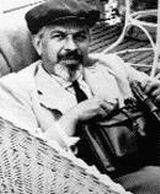
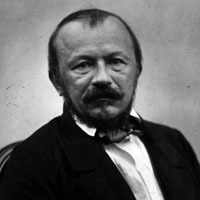
Gérard de Nerval was the nom-de-plume of the French poet, essayist and translator Gérard Labrunie, one of the most essentially Romantic French poets. Gérard de Nerval, nom de plume de Gérard Labrunie, écrivain et poète français. Figure majeure du romantisme français, il est essentiellement connu pour ses poèmes et ses nouvelles.

English: Emmanuel Rhoides O Eμμανουήλ Pοΐδης γεννήθηκε στη Σύρο το 1836. Γιος πλούσιας οικογένειας έζησε τα παιδικά και νεανικά του χρόνια στην Eυρώπη. Tο 1841 εγκαθίσταται στη Γένοβα όπου η φιλελεύθερη επανάσταση του 1848-49 τον σημαδεύει αποφασιστικά στους ιδεολογικούς του προσανατολισμούς. Kατόπιν επιστρέφει στην Eρμούπολη για να φοιτήσει στο ελληνοαμερικανικό λύκειο, αργότερα στο Bερολίνο για να παρακολουθήσει μαθήματα φιλοσοφίας και καταλήγει στη Pουμανία. Aπό το 1864 και μετά ζει μόνιμα στην Aθήνα. Tο 1866 κυκλοφορεί το βιβλίο του "H Πάπισσα Iωάννα" που αφορίζεται από την εκκλησία και προκαλεί τη δικαστική του δίωξη. Πέθανε στην Aθήνα το 1904.

Ο Ανδρέας Εμπειρίκος γεννήθηκε το 1901 στην Μπράιλα της Ρουμανίας και πέθανε στην Αθήνα το 1975. Το 1926-31 βρίσκεται στο Παρίσι όπου συνδέεται με τον Andre Breton και τους υπερρεαλιστές και αρχίζει την ψυχανάλυση με τον Rene Laforgue. Το 1935 δίδει στην Αθήνα την περίφημη διάλεξη περί " Περί σουρρεαλισμού " και εκδίδει την Υψικάμινο, το κατεξοχήν υπερρεαλιστικό κείμενο, ενώ αρχίζει την άσκηση της ψυχανάλυσης, την οποία θα διακόψει το 1951. Το 1945 κυκλοφορεί η Ενδοχώρα και ακολουθούν τα Γραπτά ή Προσωπική Μυθολογία το 1960 και η Αργώ ή Πλους αεροστάτου το 1964-65 στο περ. Πάλι, με περικοπές. Μετά το θάνατό του, το 1980 κυκλοφορεί πλήρης η Αργώ, η συλλογή Οκτάνα καθώς και το θεατρικό έργο του Πικάσσο Τα τέσσερα κοριτσάκια σε μετάφραση του ποιητή. Το 1985 εκδίδεται το Αι γενεαί Πάσαι ή Η Σήμερον ως Αύριον και ως Χθες και το Άρμαλα ή Εισαγωγή σε μία πόλι (εισαγωγή σ' ένα μυθιστόρημα που δεν γράφτηκε). Τον Δεκέμβριο του 1990 άρχισε να εκδίδεται, σύμφωνα με τη θέληση του ποιητή, ο Μέγας Ανατολικός, το τεράστιο έργο ζωής του Ανδρέα Εμπειρίκου που το επεξεργαζόταν επί 25 χρόνια. Άρχισε να γράφεται το 1945 και ολοκληρώνεται ύστερα από ενδιάμεσες φάσεις το 1970. Το μυθιστόρημα αποτελείται από 100 κεφάλαια, που συγκροτούν πέντε μέρη, και η έκδοσή του ολοκληρώθηκε το 1992 σε οκτώ τόμους. Πρόκειται για το μεγαλύτερο και τολμηρότερο μυθιστόρημα της ελληνικής γλώσσας. Το 1995, για να τιμηθούν τα 20 χρόνια από το θάνατο του ποιητή, εκδόθηκε μια πλακέτα με το ποίημά του ΕΣ-ΕΣ-ΕΣ-ΕΡ Ρωσσία. Το 1997 κυκλοφόρησε το ανέκδοτο πεζό του Ζεμφύρα ή Το μυστικόν της Πασιφάης, που ανήκει στην ενότητα Τα χαϊμαλιά του έρωτα, όπου ανήκει και η Αργώ. Το 1999 κυκλοφόρησαν σε ανεξάρτητη έκδοση τα δύο εγκώμια για τον Ν. Εγγονόπουλο: Νικόλαος Εγγονόπουλος ή Το θαύμα του Ελμπασάν και του Βοσπόρου και Διάλεξη 1963. Επίσης το 2001 κυκλοφόρησε και το Ημερολόγιο και οι φωτογραφίες του ποιητή από το Ταξίδι στη Ρωσσία τον Δεκέμβριο του 1962 με τον Ο. Ελύτη και τον Γ. Θεοτοκά. Ο Ανδρέας Εμπειρίκος είναι από τους κύριους εισηγητές της επιστήμης της ψυχανάλυσης στην Ελλάδα με τον Δ. Κουρέτα και τον Γ. Ζαβιτζιάνο, με τη συνεργασία και τη συνδρομή της Μαρίας Βοναπάρτη. Ο ίδιος άσκησε την ψυχαναλυτική πρακτική επί δεκαέξι έτη (1935-1951). Τα Ψυχαναλυτικά κείμενα του Ανδρέα Εμπειρίκου εκδόθηκαν για πρώτη φορά το 2001. Το μεγαλύτερο μέρος του έργου του Ανδρέα Εμπειρίκου κυκλοφορεί από τις Εκδόσεις Άγρα, όπου έχουν εκδοθεί και το κείμενο του Έκτορα Κακναβάτου Για τον "Μεγάλο Ανατολικό" καθώς και η μελέτη του Σάββα Μιχαήλ Πλους και κατάπλους του "Μεγάλου Ανατολικού" και τα κριτικά μελετήματα του Guy (Michel) Saunier Ανδρέας Εμπειρίκος. Μυθολογία και ποιητική. Το 2001 κηρύχτηκε Έτος Εμπειρίκου με αφορμή τα 100 χρόνια από τη γέννηση του ποιητή και οργανώθηκαν πολλές τιμητικές εκδηλώσεις (συνέδρια, εκδόσεις στην Ελλάδα και το εξωτερικό, αφιερώματα εφημερίδων και περιοδικών κ.λπ.)

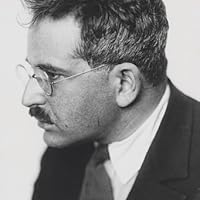
Walter Bendix Schönflies Benjamin was a German-Jewish Marxist literary critic, essayist, translator, and philosopher. He was at times associated with the Frankfurt School of critical theory and was also greatly inspired by the Marxism of Bertolt Brecht and Jewish mysticism as presented by Gershom Scholem. As a sociological and cultural critic, Benjamin combined ideas drawn from historical materialism, German idealism, and Jewish mysticism in a body of work which was a novel contribution to western philosophy, Marxism, and aesthetic theory. As a literary scholar, he translated the Tableaux Parisiens edition of Baudelaire's Les Fleurs du mal as well as Proust's In Search of Lost Time. His work is widely cited in academic and literary studies, in particular his essays The Task of the Translator and The Work of Art in the Age of Mechanical Reproduction. Influenced by Bachofen, Benjamin gave the name "auratic perception" to the aesthetic faculty through which civilization would recover a lost appreciation of myth.

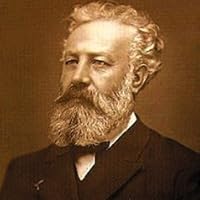
Novels of French writer Jules Gabriel Verne, considered the founder of modern science fiction, include Journey to the Center of the Earth (1864) and Around the World in Eighty Days (1873). This author who pioneered the genre. People best know him for Twenty Thousand Leagues Under the Sea (1870). Verne wrote about space, air, and underwater travel before people invented navigable aircraft and practical submarines and devised any means of spacecraft. He ranks behind Dame Agatha Mary Clarissa Christie as the second most translated author of all time. People made his prominent films. People often refer to Verne alongside Herbert George Wells as the "father of science fiction." https://en.wikipedia.org/wiki/Jules\_V...

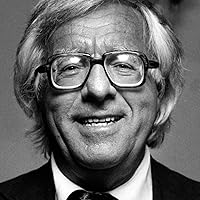
Ray Douglas Bradbury, American novelist, short story writer, essayist, playwright, screenwriter and poet, was born August 22, 1920 in Waukegan, Illinois. He graduated from a Los Angeles high school in 1938. Although his formal education ended there, he became a "student of life," selling newspapers on L.A. street corners from 1938 to 1942, spending his nights in the public library and his days at the typewriter. He became a full-time writer in 1943, and contributed numerous short stories to periodicals before publishing a collection of them, Dark Carnival, in 1947. His reputation as a writer of courage and vision was established with the publication of The Martian Chronicles in 1950, which describes the first attempts of Earth people to conquer and colonize Mars, and the unintended consequences. Next came The Illustrated Man and then, in 1953, Fahrenheit 451, which many consider to be Bradbury's masterpiece, a scathing indictment of censorship set in a future world where the written word is forbidden. In an attempt to salvage their history and culture, a group of rebels memorize entire works of literature and philosophy as their books are burned by the totalitarian state. Other works include The October Country, Dandelion Wine, A Medicine for Melancholy, Something Wicked This Way Comes, I Sing the Body Electric!, Quicker Than the Eye, and Driving Blind. In all, Bradbury has published more than thirty books, close to 600 short stories, and numerous poems, essays, and plays. His short stories have appeared in more than 1,000 school curriculum "recommended reading" anthologies. Ray Bradbury's work has been included in four Best American Short Story collections. He has been awarded the O. Henry Memorial Award, the Benjamin Franklin Award, the World Fantasy Award for Lifetime Achievement, the Grand Master Award from the Science Fiction Writers of America, the PEN Center USA West Lifetime Achievement Award, among others. In November 2000, the National Book Foundation Medal for Distinguished Contribution to American Letters was conferred upon Mr. Bradbury at the 2000 National Book Awards Ceremony in New York City. Ray Bradbury has never confined his vision to the purely literary. He has been nominated for an Academy Award (for his animated film Icarus Montgolfier Wright), and has won an Emmy Award (for his teleplay of The Halloween Tree). He adapted sixty-five of his stories for television's Ray Bradbury Theater. He was the creative consultant on the United States Pavilion at the 1964 New York World's Fair. In 1982 he created the interior metaphors for the Spaceship Earth display at Epcot Center, Disney World, and later contributed to the conception of the Orbitron space ride at Euro-Disney, France. Married since 1947, Mr. Bradbury and his wife Maggie lived in Los Angeles with their numerous cats. Together, they raised four daughters and had eight grandchildren. Sadly, Maggie passed away in November of 2003. On the occasion of his 80th birthday in August 2000, Bradbury said, "The great fun in my life has been getting up every morning and rushing to the typewriter because some new idea has hit me. The feeling I have every day is very much the same as it was when I was twelve. In any event, here I am, eighty years old, feeling no different, full of a great sense of joy, and glad for the long life that has been allowed me. I have good plans for the next ten or twenty years, and I hope you'll come along."

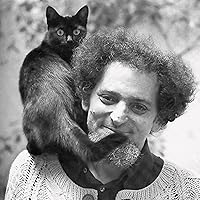
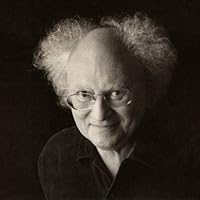
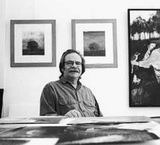
Georges Perec was a highly-regarded French novelist, filmmaker, and essayist. He was a member of the Oulipo group. Many of his novels and essays abound with experimental wordplay, lists, and attempts at classification, and they are usually tinged with melancholy. Born in a working-class district of Paris, Perec was the only son of Icek Judko and Cyrla (Schulewicz) Peretz, Polish Jews who had emigrated to France in the 1920s. He was a distant relative of the Yiddish writer Isaac Leib Peretz. Perec's first novel, Les Choses (Things: A Story of the Sixties) was awarded the Prix Renaudot in 1965. In 1978, Perec won the prix Médicis for Life: A User's Manual (French title, La Vie mode d'emploi), possibly his best-known work. The 99 chapters of this 600 page piece move like a knight's tour of a chessboard around the room plan of a Paris apartment building, describing the rooms and stairwell and telling the stories of the inhabitants. Cantatrix Sopranica L. is a spoof scientific paper detailing experiments on the "yelling reaction" provoked in sopranos by pelting them with rotten tomatoes. All the references in the paper are multi-lingual puns and jokes, e.g. "(Karybb et Scyla, 1973)". Perec is also noted for his constrained writing: his 300-page novel La disparition (1969) is a lipogram, written without ever using the letter "e". It has been translated into English by Gilbert Adair under the title A Void (1994). The silent disappearance of the letter might be considered a metaphor for the Jewish experience during the Second World War. Since the name 'Georges Perec' is full of 'e's, the disappearance of the letter also ensures the author's own 'disappearance'. His novella Les revenentes (1972) is a complementary univocalic piece in which the letter "e" is the only vowel used. This constraint affects even the title, which would conventionally be spelt Revenantes. An English translation by Ian Monk was published in 1996 as The Exeter Text: Jewels, Secrets, Sex in the collection Three. It has been remarked by Jacques Roubaud that these two novels draw words from two disjoint sets of the French language, and that a third novel would be possible, made from the words not used so far (those containing both "e" and a vowel other than "e"). W ou le souvenir d'enfance, (W, or, the Memory of Childhood, 1975) is a semi-autobiographical work which is hard to classify. Two alternating narratives make up the volume: one, a fictional outline of a totalitarian island country called "W", patterned partly on life in a concentration camp; and the second, descriptions of childhood. Both merge towards the end when the common theme of the Holocaust is explained. Perec was a heavy smoker throughout his life, and was diagnosed with lung cancer in 1981. He died the following year in Ivry-sur-Seine at only forty-five-years old. His ashes are held at the columbarium of the Père Lachaise Cemetery. David Bellos wrote an extensive biography of Perec: Georges Perec: A Life in Words, which won the Académie Goncourt's bourse for biography in 1994.


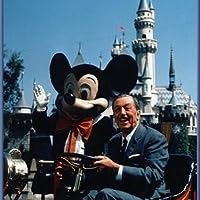
Note: The decision was made to consolidate all Disney publications under the name Walt Disney Company. This profile is for Walt Disney, the characters he created, and the company he founded. Any questions, please ask in the Librarian's Group. Walter Elias “Walt” Disney (December 5, 1901 – December 15, 1966) was an American film producer, director, screenwriter, voice actor, animator, entrepreneur, entertainer, international icon, and philanthropist. Disney is famous for his influence in the field of entertainment during the 20th century. As the co-founder (with his brother Roy O. Disney) of Walt Disney Productions, Disney became one of the best-known motion picture producers in the world. The corporation he co-founded, now known as The Walt Disney Company, today has annual revenues of approximately U.S. $35 billion. Disney is particularly noted for being a film producer and a popular showman, as well as an innovator in animation and theme park design. He and his staff created some of the world's most famous fictional characters including Mickey Mouse, a character for which Disney himself was the original voice. He has been awarded four honorary Academy Awards and has won twenty-two competitive Academy Awards out of fifty-nine nominations, including a record four in one year, giving him more awards and nominations than any other individual. He also won seven Emmy Awards. He is the namesake for Disneyland and Walt Disney World Resort theme parks in the United States, as well as the international resorts Tokyo Disney, Disneyland Paris, and Disneyland Hong Kong. Disney died of lung cancer in Burbank, California, on December 15, 1966. The following year, construction began on Walt Disney World Resort in Florida. His brother Roy Disney inaugurated the Magic Kingdom on October 1, 1971. The Walt Disney Company (NYSE: DIS) (commonly referred to as Disney) is the largest media and entertainment conglomerate in the world in terms of revenue. Founded on October 16, 1923, by brothers Walt Disney and Roy Disney as the Disney Brothers Cartoon Studio, the company was reincorporated as Walt Disney Productions in 1929. Walt Disney Productions established itself as a leader in the American animation industry before diversifying into live-action film production, television, and travel. Taking on its current name in 1986, The Walt Disney Company expanded its existing operations and also started divisions focused upon theatre, radio, publishing, and online media. In addition, it has created new divisions of the company in order to market more mature content than it typically associates with its flagship family-oriented brands. The company is best known for the products of its film studio, the Walt Disney Motion Pictures Group, today one of the largest and best-known studios in Hollywood. Disney also owns and operates the ABC broadcast television network; cable television networks such as Disney Channel, ESPN, and ABC Family; publishing, merchandising, and theatre divisions; and owns and licenses 11 theme parks around the world. On January 23, 2006, it was announced that Disney would purchase Pixar in an all-stock transaction worth $7.4 billion. The deal was finalized on May 5. On December 31, 2009, Disney Company acquired the Marvel Entertainment, Inc. for $4.24 billion. The company has been a component of the Dow Jones Industrial Average since May 6, 1991. An early and well-known cartoon creation of the company, Mickey Mouse, is the official mascot of The Walt Disney Company. —from Wikipedia