


Margins
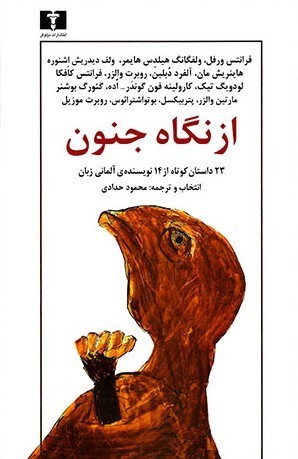
از نگاه جنون book cover
از نگاه جنون
۲۳ داستان کوتاه از ۱۴ نویسنده آلمانی زبان
2013
First Published
3.40
Average Rating
208
Number of Pages

این مجموعه گزیده‌ای است از داستان‌های آلمانی از قرن هجدهم تا به امروز، بیشتر بر مبنای روان کاوی جان‌های پریشان، و نگاه به جهان جنون. جنون از دیرباز از قصه تا اسطوره، در ادبیات حضور داشته است... ولی این مجموعه‌ی آسیب نگارانه از دنیای مدرن برگرفته شده است. اِکبِرتِ زردمو، نخستین داستان این مجموعه نیز در جهان‌بینی خود عناصری رمانتیک دارد. اما داستان لنس بوشنر که محور و کانون این مجموعه است، نگاه جامعه شناسانه و روان کاوانه را با تجربه‌های پزشکی مدرن پیوند می‌دهد، و به این ترتیب در آسیب نگاری مدرنِ جان، از آثار پیشاهنگ آلمانی به شمار می‌رود و با نمونه‌هایی بسیار می‌توان تأثیر آن را حتی تا به امروز هم در قصه پردازی بزرگانی چون توماس مان و الیاس کانتی دید. پس از این نوول به قرن بیستم می‌رسیم که پر بسامدترین تجربه‌ی انسان‌هایش وحشت و بیگانگی بوده است، احساس‌هایی که به آثار تمامی نویسندگان مکتبی که به اکسپرسیونیسم شهرت دارد، رنگ‌مایه‌ی بنیادین آن‌ها را می‌بخشد و نشان می‌دهد که کافکا در ادبیات این دوران استثنا نه، بلکه چکیده‌ای است که نقش کانونی یافته است. هر داستان این مجموعه به سهم خود شرح و تفسیری کوتاه و جداگانه نیز یافته است.
Avg Rating
3.40
Number of Ratings
42
5 STARS
10%
4 STARS
33%
3 STARS
45%
2 STARS
12%
1 STARS
0%
goodreads

Authors

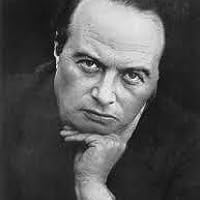
Franz Werfel
Franz Werfel
Author · 17 books
Czech-born poet, playwright, and novelist, whose central themes were religious faith, heroism, and human brotherhood. Franz Werfel's best-known works include The Forty Days of Musa Dagh (1933), a classic historical novel that portrays Armenian resistance to the Turks, and The Song of Bernadette (1941). The latter book had its start when Werfel, a Jew escaping the Nazis, found solace in the pilgrimage town of Lourdes, where St. Bernadette had had visions of the Virgin. Werfel made a promise to "sing the song" of the saint if he ever reached the United States. He died in California in 1945.
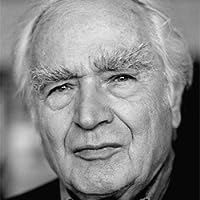
Martin Walser
Martin Walser
Author · 18 books
Martin Walser is a German writer. He became famous for describing the conflicts his anti-heroes have in his novels and stories. In 1998 he was awarded the Peace Prize of the German Book Trade in Frankfurt. He is also the father of authors Johanna Walser, Theresia Walser and Alissa Walser.
Alfred Döblin
Alfred Döblin
Author · 17 books
Bruno Alfred Döblin (August 10, 1878 – June 26, 1957) was a German novelist, essayist, and doctor, best known for his novel Berlin Alexanderplatz (1929). A prolific writer whose œuvre spans more than half a century and a wide variety of literary movements and styles, Döblin is one of the most important figures of German literary modernism. His complete works comprise over a dozen novels ranging in genre from historical novels to science fiction to novels about the modern metropolis; several dramas, radio plays, and screenplays; a true crime story; a travel account; two book-length philosophical treatises; scores of essays on politics, religion, art, and society; and numerous letters—his complete works, republished by Deutscher Taschenbuch Verlag and Fischer Verlag, span more than thirty volumes. His first published novel, Die drei Sprünge des Wang-lung (The Three Leaps of Wang Lun), appeared in 1915 and his final novel, Hamlet oder Die lange Nacht nimmt ein Ende (Tales of a Long Night) was published in 1956, one year before his death.
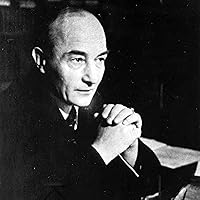
Robert Walser
Robert Walser
Author · 33 books

Robert Walser, a German-Swiss prose writer and novelist, enjoyed high repute among a select group of authors and critics in Berlin early in his career, only to become nearly forgotten by the time he committed himself to the Waldau mental clinic in Bern in January 1929. Since his death in 1956, however, Walser has been recognized as German Switzerland's leading author of the first half of the twentieth century, perhaps Switzerland's single significant modernist. In his homeland he has served as an emboldening exemplar and a national classic during the unparalleled expansion of German-Swiss literature of the last two generations. Walser's writing is characterized by its linguistic sophistication and animation. His work exhibits several sets of tensions or contrasts: between a classic modernist devotion to art and a ceaseless questioning of the moral legitimacy and practical utility of art; between a spirited exuberance in style and texture and recurrent reflective melancholy; between the disparate claims of nature and culture; and between democratic respect for divergence in individuals and elitist reaction to the values of the mass culture and standardization of the industrial age.

Heinrich Mann
Heinrich Mann
Author · 12 books

A German novelist who wrote works with social themes whose attacks on the authoritarian and increasingly militaristic nature of post-Weimar German society led to his exile in 1933. Born in Lübeck as the oldest child of Thomas Johann Heinrich Mann and Júlia da Silva Bruhns. He was the elder brother of Thomas Mann. His father came from a patrician grain merchant family and was a Senator of the Hanseatic city. After the death of his father, his mother moved the family to Munich, where Heinrich began his career as a freier Schriftsteller or free novelist.

Karoline von Gunderrode
Author · 4 books
German Romantic poet and friend of Bettina von Arnim
Botho Strauß
Botho Strauß
Author · 1 book

Botho Strauß is a German playwright, novelist and essayist. Botho Strauß's father was a chemist. After finishing his secondary education, Strauß studied German, History of the Theatre and Sociology in Cologne and Munich, but never finished his dissertation on Thomas Mann und das Theater. During his studies, he worked as an extra at the Munich Kammerspiele. From 1967 to 1970, he was a critic and editorial journalist for the journal Theater heute (Theater Today). Between 1970 and 1975, he worked as a dramaturgical assistant to Peter Stein at the West Berlin Schaubühne am Halleschen Ufer. After his first attempt as a writer, a Gorky adaptation for the screen, he decided to live and work as a writer. Strauß had his first breakthrough as a dramatist with the 1977 Trilogie des Wiedersehens, five years after the publication of his first work. In 1984 he published his important work Der Junge Mann (The Young Man, translated by Roslyn Theobald in 1995). With a 1993 Der Spiegel essay, "Anschwellender Bocksgesang" ("Swelling He-Goat Song"[N 1]),[2] a critical examination of modern civilisation, he triggered a major political controversy as his conservative politics was anathema to many. In his theoretical work, Strauß showed the influence of the ancient classics, Nietzsche, Heidegger as well as Adorno, but his outlook was also radically anti-bourgeois. His work as a writer has been recognized with numerous international awards and his dramas are among the most performed in German-language theatres. Strauß presently lives in Berlin.

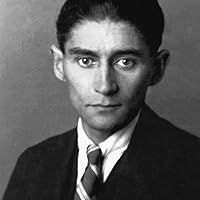
Franz Kafka
Franz Kafka
Author · 353 books

Prague-born writer Franz Kafka wrote in German, and his stories, such as " The Metamorphosis " (1916), and posthumously published novels, including The Trial (1925), concern troubled individuals in a nightmarishly impersonal world. Jewish middle-class family of this major fiction writer of the 20th century spoke German. People consider his unique body of much incomplete writing, mainly published posthumously, among the most influential in European literature. His stories include "The Metamorphosis" (1912) and " In the Penal Colony " (1914), whereas his posthumous novels include The Trial (1925), The Castle (1926) and Amerika (1927). Despite first language, Kafka also spoke fluent Czech. Later, Kafka acquired some knowledge of the French language and culture from Flaubert, one of his favorite authors. Kafka first studied chemistry at the Charles-Ferdinand University of Prague but after two weeks switched to law. This study offered a range of career possibilities, which pleased his father, and required a longer course of study that gave Kafka time to take classes in German studies and art history. At the university, he joined a student club, named Lese- und Redehalle der Deutschen Studenten, which organized literary events, readings, and other activities. In the end of his first year of studies, he met Max Brod, a close friend of his throughout his life, together with the journalist Felix Weltsch, who also studied law. Kafka obtained the degree of doctor of law on 18 June 1906 and performed an obligatory year of unpaid service as law clerk for the civil and criminal courts. Writing of Kafka attracted little attention before his death. During his lifetime, he published only a few short stories and never finished any of his novels except the very short "The Metamorphosis." Kafka wrote to Max Brod, his friend and literary executor: "Dearest Max, my last request: Everything I leave behind me ... in the way of diaries, manuscripts, letters (my own and others'), sketches, and so on, [is] to be burned unread." Brod told Kafka that he intended not to honor these wishes, but Kafka, so knowing, nevertheless consequently gave these directions specifically to Brod, who, so reasoning, overrode these wishes. Brod in fact oversaw the publication of most of work of Kafka in his possession; these works quickly began to attract attention and high critical regard. Max Brod encountered significant difficulty in compiling notebooks of Kafka into any chronological order as Kafka started writing in the middle of notebooks, from the last towards the first, et cetera. Kafka wrote all his published works in German except several letters in Czech to Milena Jesenská.

Georg Buchner
Georg Buchner
Author · 12 books
Karl Georg Büchner was a German dramatist and writer of prose. He was the brother of physician and philosopher Ludwig Büchner. Georg Büchner's talent is generally held in great esteem in Germany. It is widely believed that, but for his early death, he might have attained the significance of such central German literary figures as Johann Wolfgang von Goethe and Friedrich Schiller.
Robert Musil
Robert Musil
Author · 34 books

Austrian writer. He graduated military boarding school at Eisenstadt (1892-1894) and then Hranice, in that time also known as Mährisch Weißkirchen, (1894-1897). These school experiences are reflected in his first novel, The Confusions of Young Törless. He served in the army during The First World War. When Austria became a part of the Third Reich in 1938, Musil left for exile in Switzerland, where he died of a stroke on April 15, 1942. Musil collapsed in the middle of his gymnastic exercises and is rumoured to have died with an expression of ironic amusement on his face. He was 61 years old.

548 Market St PMB 65688, San Francisco California 94104-5401 USA
© 2026 Paratext Inc. All rights reserved