


Микола Хвильовий — один з найточніших діагностів своєї революційної доби. Автор, який, як ніхто, розумів особливості життєвого вибору своїх сучасників. Письменник, який зрештою й сам вирішив не чекати неминучого арешту і 13 травня 1933-го вистрілив собі у скроню. Його ім’я стало забороненим. Навіть могилу Хвильового зрівняли із землею, а на її місці влаштували «парк культури й відпочинку». Немає могили, немає пам’ятника, немає текстів… Здавалося б, усе втратилося безповоротно. Втім через роки тексти Хвильового віднайшли свій шлях додому. У цій книжці ви знайдете три твори Миколи Хвильового — «Повість про санаторійну зону», «Сентиментальна історія» та «Я (Романтика)». Тексти, за якими можна уявити, яким він був, якою була та епоха. Персонажі Хвильового — «безґрунтовні романтики», герої, сповнені розпачу, не здатні навести мости між власним романтичним світоглядом і реальністю, в якій ці цінності втрачають сенс.
Authors

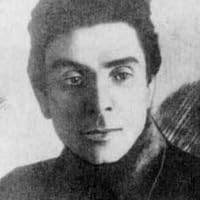
Mykola Khvylovy (Ukrainian: Микола Хвильовий, Khvyl’ovyy) (December 13 [O.S. December 1] 1893 – May 13, 1933) was a Ukrainian writer and poet of the early Communist era Ukrainian Renaissance (1920–1930). Born as Mykola Fitilyov in Trostyanets, Kharkov Governorate to a Russian laborer father and Ukrainian schoolteacher mother, Khvylovy joined the Communist Party in 1919. In the same year he became the chief of local Cheka in Bohodukhiv povit. He moved to Kharkiv in 1921 and involved himself with writers connected to Vasyl Blakytny and the paper Visti VUTsVK (news from All-Ukrainian Central Executive Committee). In 1921, he also published his first poetry collection. In 1922, he began to focus more on prose writing. His initial collections Syni etiudy (Blue Etudes, 1923) and Osin’ (Autumn, 1924) generated approval from critics like Serhiy Yefremov, Oleksander Biletsky, Volodymyr Koriak, Yevhen Malaniuk and Dmytro Dontsov. His impressions of the work as a CheKa officer are reflected in his 1924 novel "I (Romance)", the hero of which - the head of the local Cheka - sentenced his mother to death in the name of the ideals of the revolution. A brief member of the literary organization Hart, Khvylovy later became critical of it and the organization Pluh and became a key leader of the VAPLITE organization of Ukrainian "proleteriat" writers. Because of Stalin's repressions against his friends in the pro-Ukrainian Communist movement, Khvylovy committed suicide on 13 May 1933 in front of his friends in his apartment in Kharkiv. His suicide note said: "Arrest of Yalovy - this is the murder of an entire generation ... For what? Because we were the most sincere Communists? I don't understand. The responsibility for the actions of Yalovy's generation lies with me, Khvylovy. Today is a beautiful sunny day. I love life - you can't even imagine how much. Today is the 13th. Remember I was in love with this number? Terribly painful. Long live communism. Long live the socialist construction. Long live the Communist Party."[1] After his death, his works were banned in the Soviet Union and because of his symbolic potency were mostly not permitted until near the end or after the collapse of the Soviet Union.