



Part of Series
تشكّل مقولة "اقتصاد السوق"، المسيطرة عملياً ونظرياً على المستوى الكوني، المرجع الرئيسي للعالم الذي نعيش. وتبدو هذه المقولة وقد استبعدت، ظاهرياً، السياسة والإيديولوجيا، موضوعية، بل تعبيراً عن "علم خالص" شديد الموضوعية. ويمتلك السوق في هذه المقولة، عقلاً خاصاً به، يصحح أخطاء السوق ويمنع عنه عثراته، ويلبي، لزوماً، حاجات الناس، دون الإضرار بهم على الإطلاق. وبسبب "عقلانية السوق"، التي هي صورة أخرى عن علم اقتصادي عقلاني، فإن العالم كله يسير نحو سوق متجانس عالمي، يؤمّن حاجات البشر دون تمييز. وهذا "السوق العاقل"، وقد سيطر وتعمّم، يفرض على الظواهر الاجتماعية المختلفة أن تكون تابعة له، فتخضع الثقافة والفن لمنطق السوق، وتمارس السياسة دورها بما يحفظ "استقلال" السوق و"عقلانيته". تمثّل هذه الوقائع، مرحلة جديدة من مراحل الرأسمالية العالمية المنتصرة، مع فرق أساسي، هو أن كل مرحلة جديدة تحمل معها المزيد من الثراء والسيطرة لطرف معين والفقر والحصار لطرف آخر.
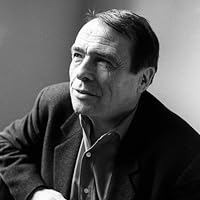
Author

Bourdieu pioneered investigative frameworks and terminologies such as cultural, social, and symbolic capital, and the concepts of habitus, field or location, and symbolic violence to reveal the dynamics of power relations in social life. His work emphasized the role of practice and embodiment or forms in social dynamics and worldview construction, often in opposition to universalized Western philosophical traditions. He built upon the theories of Ludwig Wittgenstein, Maurice Merleau-Ponty, Edmund Husserl, Georges Canguilhem, Karl Marx, Gaston Bachelard, Max Weber, Émile Durkheim, Erwin Panofsky, and Marcel Mauss. A notable influence on Bourdieu was Blaise Pascal, after whom Bourdieu titled his Pascalian Meditations. Bourdieu rejected the idea of the intellectual "prophet", or the "total intellectual", as embodied by Sartre. His best known book is Distinction: A Social Critique of the Judgment of Taste, in which he argues that judgments of taste are related to social position. His argument is put forward by an original combination of social theory and data from surveys, photographs and interviews, in an attempt to reconcile difficulties such as how to understand the subject within objective structures. In the process, he tried to reconcile the influences of both external social structures and subjective experience on the individual (see structure and agency).