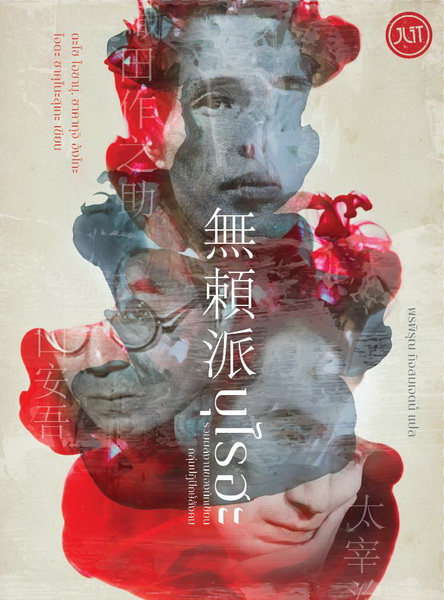



“เดี๋ยวนี้ไม่ว่าใคร แค่คิดว่าจะใช้ชีวิตอย่างไรให้อยู่รอดในแต่ละวันก็เต็มกลืนแล้วไม่ใช่หรือคะ? ความจริงเมื่อเป็นเช่นนี้ ก็น่าจะพูดเปิดอกตามตรง แต่นี่อะไร กลับกล่าวอ้างได้ไม่อายปาก... ดีแต่หาเรื่องเทศนาวกไปวนมา เหมือนพายเรือในอ่างอย่างไร้ความหมาย ซ้ำยังประกาศว่านั่นแหละคือวัฒนธรรม ช่างน่าเอือมระอาดีแท้” รวมงานเขียนวรรณกรรมคลาสสิคญี่ปุ่นของกลุ่มบุไร (Burai-ha) ดะไซ โอซามุ, โอดะ ซาคุโนะสุเกะ และ ซาคากุจิ อังโกะ ผลงานโดดเด่นที่ตีแผ่เสียดสีภาพมนุษย์ผู้สิ้นหวัง การต่อสู้ดิ้นรนเพื่อให้มีชีวิตอยู่รอดท่ามกลางความล่มสลายของสังคมญี่ปุ่น ท่ามกลางสังคมที่ศีลธรรมเสื่อมถอย สิ่งที่เคยยึดเป็นสรณะ รวมถึงศรัทธาในความดีงามต่างๆ พังทลายลง มนุษย์ขับเคลื่อนใช้ชีวิตไปตามแรงผลักดันแบบไหน สามนักเขียน สามผลงาน ที่สามารถอ่านต่อเนื่องได้ราวกับร้อยเรียงเป็นหนึ่งเดียวกัน สนพ. JLIT ชวนทบทวนไปกับคำถามของนักเขียนทั้ง 3 ว่าสังคมคืออะไร? และการกระทำเช่นไรคือการเป็นปฏิปักษ์ต่อสังคม?
Authors

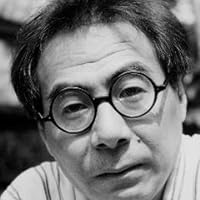
From Niigata, Sakaguchi (坂口安吾) was one of a group of young Japanese writers to rise to prominence in the years immediately following Japan's defeat in World War II. In 1946 he wrote his most famous essay, titled "Darakuron" ("On Decadence"), which examined the role of bushido during the war. It is widely argued that he saw postwar Japan as decadent, yet more truthful than a wartime Japan built on illusions like bushido. Ango was born in 1906, and was the 12th child of 13. He was born in the middle of a Japan perpetually at war. His father was the president of the Niigata Shinbun (Newspaper), a politician, and a poet. Ango wanted to be a writer at 16. He moved to Tokyo at 17, after hitting a teacher who caught him truanting. His father died from brain cancer the following year, leaving his family in massive debt. At 20, Ango taught for a year as a substitute teacher following secondary school. He became heavily involved in Buddhism and went to University to study Indian philosophy, graduating at the age of 25. Throughout his career as a student, Ango was very vocal in his opinions. He wrote various works of literature after graduating, receiving praise from writers such as Makino Shin’ichi. His literary career started around the same time as Japan’s expansion into Manchuria. He met his wife to be, Yada Tsuseko, at 27. His mother died when he was 37, in the middle of World War II. He struggled for recognition as a writer for years before finally finding it with “A Personal View of Japanese Culture” in 1942, and again with “On Decadence” in 1946. That same year, the Emperor formally declared himself a human being, not a god. Ango had a child at 48 with his second wife, Kaji Michio. He died from a brain aneurysm at age 48 in 1955.

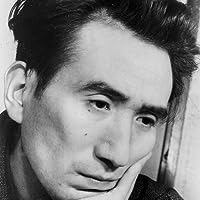
Osamu DAZAI (native name: 太宰治, real name Shūji Tsushima) was a Japanese author who is considered one of the foremost fiction writers of 20th-century Japan. A number of his most popular works, such as Shayō (The Setting Sun) and Ningen Shikkaku (No Longer Human), are considered modern-day classics in Japan. With a semi-autobiographical style and transparency into his personal life, Dazai’s stories have intrigued the minds of many readers. His books also bring about awareness to a number of important topics such as human nature, mental illness, social relationships, and postwar Japan.