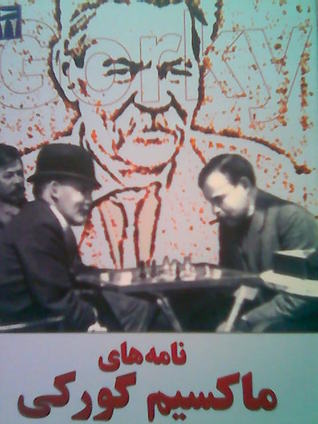
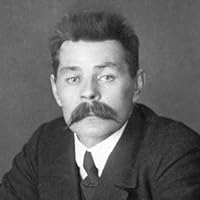
There cannot be many world famous writers who have left such a wealth of letters as Maxim Gorky. The extant collection of his letters numbers about 20,000 and those addressed to him are equally numerous. "All Russia - young and old - wrote to Gorky, so did the Soviet Union," Konstantin Fedin has rightly pointed out. The Gorky archives contain more than 13,000 letters from Soviet writers alone. History ordained that Gorky's life should be intimately bound up with the key problems of his time. This accounts for the significance of his letters, which throw light on very diverse aspects of life in the first third of the twentieth century - in Russian, Europe and America. More than 100 of Gorky's letters between 1889 and 1936 are published in the present volume, most of them translated into English for the first time. The book includes not only some of the correspondence but also material which had been issued only in the last few years. Of considerable interest are Gorky's letters to eminent foreign authors (G. B. Shaw, H.G. Wells, Romain Rolland, Stefan Zwieg and others) and letters to Ivan Bunin and Fyodor Chaliapin. Gorky's letters are informative in many a literary critic or artist, a biographer or historian will find in them something valuable and essential. But their value is in human interest.