


Margins
1896
First Published
4.25
Average Rating
316
Number of Pages

Part of Series

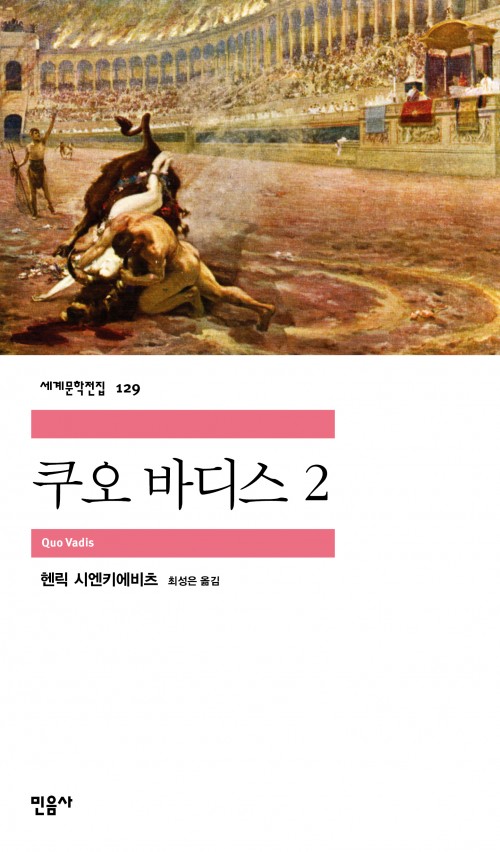
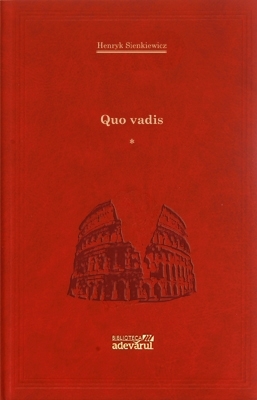
쿠오 바디스 도미네(주여 어디로 가시나이까), 1905년 노벨 문학상 수상작 헨릭 시엔키에비츠 노벨 문학상 수상 100주년 기념 출간폴란드어 원전에서 직접 옮긴 최초의 한국어 판영화 「쿠오 바디스」의 원작. 50여 개국 언어로 번역된 세계적인 베스트셀러▶ 헨릭 시엔키에비츠는 서사 작가로서 뛰어난 장점을 지녔다. 『쿠오 바디스』는 교양 있고 자존심 강하지만 타락한 비기독교도와 겸손하면서도 자부심 강한 기독교도 사이, 에고티즘과 사랑 사이, 황궁의 오만한 사치와 카타콤베의 고요한 집중 사이의 대조를 뛰어나게 그려 낸다. 무엇보다 로마의 대화재와 원형경기장의 피비린내 나는 광경의 묘사는 필적할 이가 없다. – 스웨덴 한림원 노벨 문학상 선정 이유▶ “쿠오 바디스 도미네(Quo Vadis Domine).” 사도 베드로가 그리스도에게 던졌던 이 절박하고 심오한 물음은 시엔키에비츠의 『쿠오 바디스』를 통해 혼돈의 시대를 향해 던지는 영원한 화두로 자리 잡게 되었다. 단절되고 파편화된 인간관계 속에서 현실에 안주하지 못하고 현대 문명의 카오스에 휩쓸려 끊임없이 배회하고 있는 현대인들은 삶의 지표를 제시해 주는 나침반을 갈망한다. 『쿠오 바디스』가 탄생한 지 100년의 세월이 흘렀지만, 이 작품이 여전히 불멸의 고전으로 손꼽히며, 시공과 종교를 초월하여 끊임없이 독자들을 사로잡는 이유가 바로 여기에 있다. – 「작품 해설」에서
Avg Rating
4.25
Number of Ratings
71
5 STARS
51%
4 STARS
28%
3 STARS
17%
2 STARS
4%
1 STARS
0%
goodreads

Authors

Henryk Sienkiewicz
Henryk Sienkiewicz
Author · 40 books

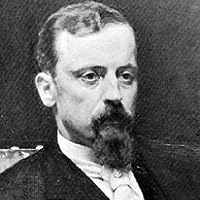
Henryk Adam Aleksander Pius Sienkiewicz (also known as "Litwos"; May 5, 1846–November 15, 1916) was a Polish journalist and Nobel Prize-winning novelist. He was one of the most popular Polish writers at the turn of the 19th and 20th centuries, and received the Nobel Prize in Literature in 1905 for his "outstanding merits as an epic writer." Born into an impoverished gentry family in the Podlasie village of Wola Okrzejska, in Russian-ruled Poland, Sienkiewicz wrote historical novels set during the Rzeczpospolita (Polish Republic, or Commonwealth). His works were noted for their negative portrayal of the Teutonic Order in The Teutonic Knights (Krzyżacy), which was remarkable as a significant portion of his readership lived under German rule. Many of his novels were first serialized in newspapers, and even today are still in print. In Poland, he is best known for his historical novels "With Fire and Sword", "The Deluge", and "Fire in the Steppe" (The Trilogy) set during the 17th-century Polish-Lithuanian Commonwealth, while internationally he is best known for Quo Vadis, set in Nero's Rome. Quo Vadis has been filmed several times, most notably the 1951 version. Sienkiewicz was meticulous in attempting to recreate the authenticity of historical language. In his Trilogy, for instance, he had his characters use the Polish language as he imagined it was spoken in the seventeenth century (in reality it was far more similar to 19th-century Polish than he imagined). In The Teutonic Knights, which relates to the Battle of Grunwald in 1410, he even had his characters speak a variety of medieval Polish which he recreated in part from archaic expressions then still common among the highlanders of Podhale. In 1881, Sienkiewicz married Maria Szetkiewicz (1854-1885). They had two children, Henryk Józef (1882-1959) and Jadwiga Maria (1883–1969).

548 Market St PMB 65688, San Francisco California 94104-5401 USA
© 2026 Paratext Inc. All rights reserved