



Margins
坂口安吾全集 [Ango Sakaguchi Complete works] book cover
坂口安吾全集 [Ango Sakaguchi Complete works]
2015
First Published
3.88
Average Rating
7885
Number of Pages

「堕落論」「風博士」「白痴」などの代表作を始め、純文学・歴史小説・探偵小説など、多彩なジャンルで作品を量産した無頼派の作家、坂口安吾の「444作品」を1冊に収録した大全集。目次一覧から、目当ての作品に移動することが可能です。 『坂口安吾全集・444作品⇒1冊』収録作品一覧・アイウエオ順 青鬼の褌を洗う女 諦らめアネゴ 諦めている子供たち 悪妻論 足のない男と首のない男 明日は天気になれ 新らしき性格感情 新らしき性格感情(旧仮名) 新らしき文学 新らしき文学(旧仮名) あとがき〔『いづこへ』〕 阿部定さんの印象 阿部定という女 甘口辛口 雨宮紅庵 哀れなトンマ先生 アンゴウ 【安吾巷談・全13編】 安吾下田外史 【安吾人生案内・全8編】 【安吾新日本風土記・全3編】 【安吾の新日本地理・全10編】 安吾武者修業 家康 育児 囲碁修業 遺恨 居酒屋の聖人 意識と時間との関係 石の思ひ いづこへ 一家言を排す イノチガケ 生命拾ひをした話 『異邦人』に就て 意慾的創作文章の形式と方法 淫者山へ乗りこむ インテリの感傷 牛 海の霧 裏切り エゴイズム小論 遠大なる心構
Avg Rating
3.88
Number of Ratings
8
5 STARS
13%
4 STARS
63%
3 STARS
25%
2 STARS
0%
1 STARS
0%
goodreads

Authors

坂口安吾
Author · 2 books

See also Sakaguchi Ango. 日本語 坂口安吾(さかぐちあんご、1906年〈明治39年〉10月20日 - 1955年〈昭和30年〉2月17日)は、日本の小説家、評論家、随筆家。本名は坂口炳五(さかぐちへいご)。 昭和の戦前・戦後にかけて活躍した近現代日本文学を代表する小説家の一人である。純文学のみならず、歴史小説や推理小説、文芸や時代風俗から古代歴史まで広範に材を採る随筆、囲碁・将棋におけるタイトル戦の観戦記など多彩な活動を通し、無頼派・新戯作派と呼ばれる地歩を築いた。 中文 日本作家,本名坂口炳五,新潟縣出身,東洋大學文學部印度哲學科畢業。早年性格叛逆浪漫,嗜讀諷刺喜劇及巴爾札克、谷崎潤一郎、愛倫坡、波特萊爾等名家作品。一九三一年以《風博士》一文躍上文壇,作品多呈戲劇及反叛色彩。 一九四七年以前創作以純文學為主,和太宰治、石川淳同為戰後新文學的旗手。這群人包括坂口,因為作品風格接近,在文學史上被歸類為「無賴派」或「新戲作派」,活躍於戰後文壇。此派書寫主題多揭露人類的墮落與放蕩,反抗既定現實,寧為人生的失敗者也不願踏入現實社會的殘酷鬥爭,構築出一種頹廢而浪漫的「輸家哲學」。 坂口亦讀遍古今東西的推理小說,並熱衷於其中的解謎遊戲。坂口後期的創造力十分旺盛,不論是純文學作品,或包括推理小說的大眾小說,為數都相當可觀。一九四八年所著《不連續殺人事件》為坂口唯一長篇推理小說,翌年得到第二屆「偵探作家俱樂部賞」(即後來的「日本推理作家協會獎」),其後曾改編成電影、電視劇上演。 一九五五年因腦溢血去世,得年四十九歲。 代表作品有《墮落論》、《白痴》、《肝臟先生》、《盛開的櫻花林下》、《不連續殺人事件》等。

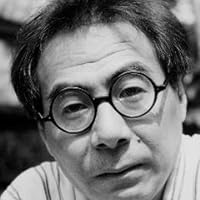
Ango Sakaguchi
Ango Sakaguchi
Author · 16 books

From Niigata, Sakaguchi (坂口安吾) was one of a group of young Japanese writers to rise to prominence in the years immediately following Japan's defeat in World War II. In 1946 he wrote his most famous essay, titled "Darakuron" ("On Decadence"), which examined the role of bushido during the war. It is widely argued that he saw postwar Japan as decadent, yet more truthful than a wartime Japan built on illusions like bushido. Ango was born in 1906, and was the 12th child of 13. He was born in the middle of a Japan perpetually at war. His father was the president of the Niigata Shinbun (Newspaper), a politician, and a poet. Ango wanted to be a writer at 16. He moved to Tokyo at 17, after hitting a teacher who caught him truanting. His father died from brain cancer the following year, leaving his family in massive debt. At 20, Ango taught for a year as a substitute teacher following secondary school. He became heavily involved in Buddhism and went to University to study Indian philosophy, graduating at the age of 25. Throughout his career as a student, Ango was very vocal in his opinions. He wrote various works of literature after graduating, receiving praise from writers such as Makino Shin’ichi. His literary career started around the same time as Japan’s expansion into Manchuria. He met his wife to be, Yada Tsuseko, at 27. His mother died when he was 37, in the middle of World War II. He struggled for recognition as a writer for years before finally finding it with “A Personal View of Japanese Culture” in 1942, and again with “On Decadence” in 1946. That same year, the Emperor formally declared himself a human being, not a god. Ango had a child at 48 with his second wife, Kaji Michio. He died from a brain aneurysm at age 48 in 1955.

548 Market St PMB 65688, San Francisco California 94104-5401 USA
© 2026 Paratext Inc. All rights reserved