Margins
Margins
548 Market St PMB 65688, San Francisco California 94104-5401 USA
hello@margins.app
·
+1 (650) 223-5283
Privacy Policy
·
Terms of Use
© 2026 Paratext Inc. All rights reserved
首斬り朝 [Kubikiri Asa]
首斬り朝 [Kubikiri Asa]
Series · 6 books · 1972-2006
By
Kazuo Koike
,
Goseki Kojima
Books in series
#1
Samurai Executioner, Vol. 1
1972
From the creators of Lone Wolf and Cub comes Samurai Executioner. It's true! Few know of this precursor to the legendary ronin saga, but before Koike and Kojima created Itto Ogami, they created Kubikiri Asa, better known to Lone Wolf readers as Decapitator Asaemon. He was the equal to Itto, bearer of the sword Onibocho, the man charged with the duty of testing the swords for the shogun. Shogun Executioner is based on the decapitator himself, in life before his fatal duel with Lone Wolf. Expect the same legendary drama, frantic action, and stoic samurai stature, combined with the exemplary art and storytelling that made Lone Wolf and Cub one of the most popular and influential comic books in the world!
#3
Samurai Executioner, Vol. 3
2005
Readers of Lone Wolf & Cub came to know a samurai of such high honor that he was not only able to perform but enjoyed and, in fact, learned from basic daily tasks. Cutting wood, cooking food. That wasn't something a samurai did back in feudal Japan. These same human elements are apparent in Kubikiri Asa, the main character in Samurai Executioner. He's a man of the people, though his job is to separate many of those same people from their heads. In this volume, however, we're treated to three fantastic stories of amazing weapons skill, both on the part of Asa and those around him.
#5
Samurai Executioner, Vol. 5
2005
Striking similarities between Lone Wolf & Cub and Koike and Kojima's sidebar storyline Samurai Executioner (known as Kubikiri Asa in Japan) are evident in the cool attitude, rebellious honor, and unflappable bushido of the lead characters of both series, but readers will delight in the whole new genre of Edo-era samurai spirit in Samurai Executioner. Wrapped tightly around a core of crime fiction, we enter a world of harsh and violent crime, and the forces up against it. In this volume, after a few initial stories of criminals' lives leading to execution, we meet two Edo-era police officers and explore their specialized methods of capturing crafty criminals. Then, in Koike's signature fashion, the volume ends with a psycho killer and her grueling and violent end. It's like a history lesson, art education, and pulp sensation, all wrapped up in one fantastic series.
#6
Samurai Executioner, Vol. 6
1995
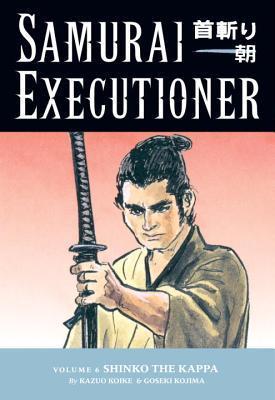
The stoic bushido world of Samurai Executioner is one full of flying, disembodied heads, and odd happenings. And this volume is no exception. There are always stories of crimes and ensuing punishment, and plenty of squirting blood, but this volume promises a story that will fascinate and produce a few grins. A mysterious woman, with a turtle-like demon tattooed on her back and the ability to swim like no other, is stealing weapons of men around Edo. It's scarring egos and causing lots of problems. Of course, Asa has the answer to the mystery. And in a surprise turn, a samurai cop who we've met before finally captures the woman, and does so in a rather erotic way.
#7
Samurai Executioner, Vol. 7
1995
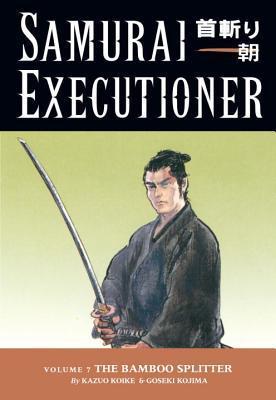
As Samurai Executioner continues moving into its own world of crime and punishment, honor and bushido, we are beginning to learn more about the characters and situations involved in Edo-era justice. We're learning about Kubikiri Asa, the Shogun's decapitator, and his stoic life. This man's joyless existence is backed by stories of his past as a child, and how they reflect on his current day. But we also learn more about the peace officers of the era. In particular, there's the character "Catcher Kasajiro," the charming young man who uses a hooked rope and chained cudgel with such great skill. With these two characters, one with the guilt of many generations, and one bearing the naivete of a young buck, bring an odd sort of tenderness to a world of pain, death, and quirky kink.
#8
Samurai Executioner, Vol. 8
2006
Spring is a season of rebirth, or new life springing forth, a time of cherished blooming and delightful scents. But for Kubikira Asa, there is no spring delight. The Edo-era samurai crime drama by Lone Wolf and Cub creators Koike and Kojima continues down its path of heinous crime and diligent, bloody justice. Spring may come to the innocent, but to those condemned to lose their heads to Asa's sword, it will be their last.
Authors
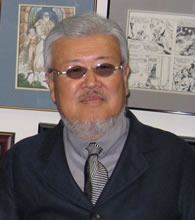
Kazuo Koike
Author · 68 books
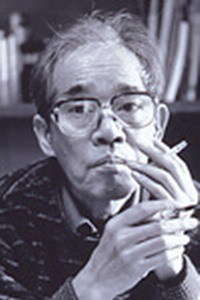
Goseki Kojima
Author · 31 books




![首斬り朝 [Kubikiri Asa] book cover 1](https://images-na.ssl-images-amazon.com/images/S/compressed.photo.goodreads.com/books/1403208559i/670571.jpg)
![首斬り朝 [Kubikiri Asa] book cover 2](https://images-na.ssl-images-amazon.com/images/S/compressed.photo.goodreads.com/books/1403207932i/684160.jpg)
![首斬り朝 [Kubikiri Asa] book cover 3](https://images-na.ssl-images-amazon.com/images/S/compressed.photo.goodreads.com/books/1403205587i/282730.jpg)