Margins
Margins
Sign in
Margins
Subscribe to our newsletter
548 Market St PMB 65688, San Francisco California 94104-5401 USA
hello@margins.app
·
+1 (650) 223-5283
Privacy Policy
·
Terms of Use
© 2026 Paratext Inc. All rights reserved
📚
1926
The Sun Also Rises
1926
Ernest Hemingway
The quintessential novel of the Lost Generation, The Sun Also Rises (Fiesta) is one of Ernest Hemingway's masterpieces and a classic example of his spare but powerful writing style. A poignant look at the disillusionment and angst of the post-World War I generation, the novel introduces two of Hemingway's most unforgettable characters: Jake Barnes and Lady Brett Ashley. The story follows the flamboyant Brett and the hapless Jake as they journey from the wild nightlife of 1920s Paris to the brutal bullfighting rings of Spain with a motley group of expatriates. It is an age of moral bankruptcy, spiritual dissolution, unrealized love, and vanishing illusions. First published in 1926, The Sun Also Rises helped to establish Hemingway as one of the greatest writers of the twentieth century.
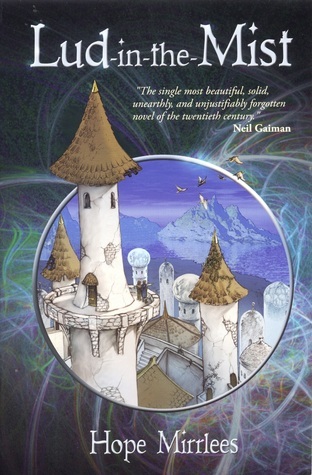
Lud-in-the-Mist
1926
Hope Mirrlees
Lud-in-the-Mist, the capital city of the small country Dorimare, is a port at the confluence of two rivers, the Dapple and the Dawl. The Dapple has its origin beyond the Debatable Hills to the west of Lud-in-the-Mist, in Fairyland. In the days of Duke Aubrey, some centuries earlier, fairy things had been looked upon with reverence, and fairy fruit was brought down the Dapple and enjoyed by the people of Dorimare. But after Duke Aubrey had been expelled from Dorimare by the burghers, the eating of fairy fruit came to be regarded as a crime, and anything related to Fairyland was unspeakable. Now, when his son Ranulph is believed to have eaten fairy fruit, Nathaniel Chanticleer, the mayor of Lud-in-the-Mist, finds himself looking into old mysteries in order to save his son and the people of his city.
📚 1926