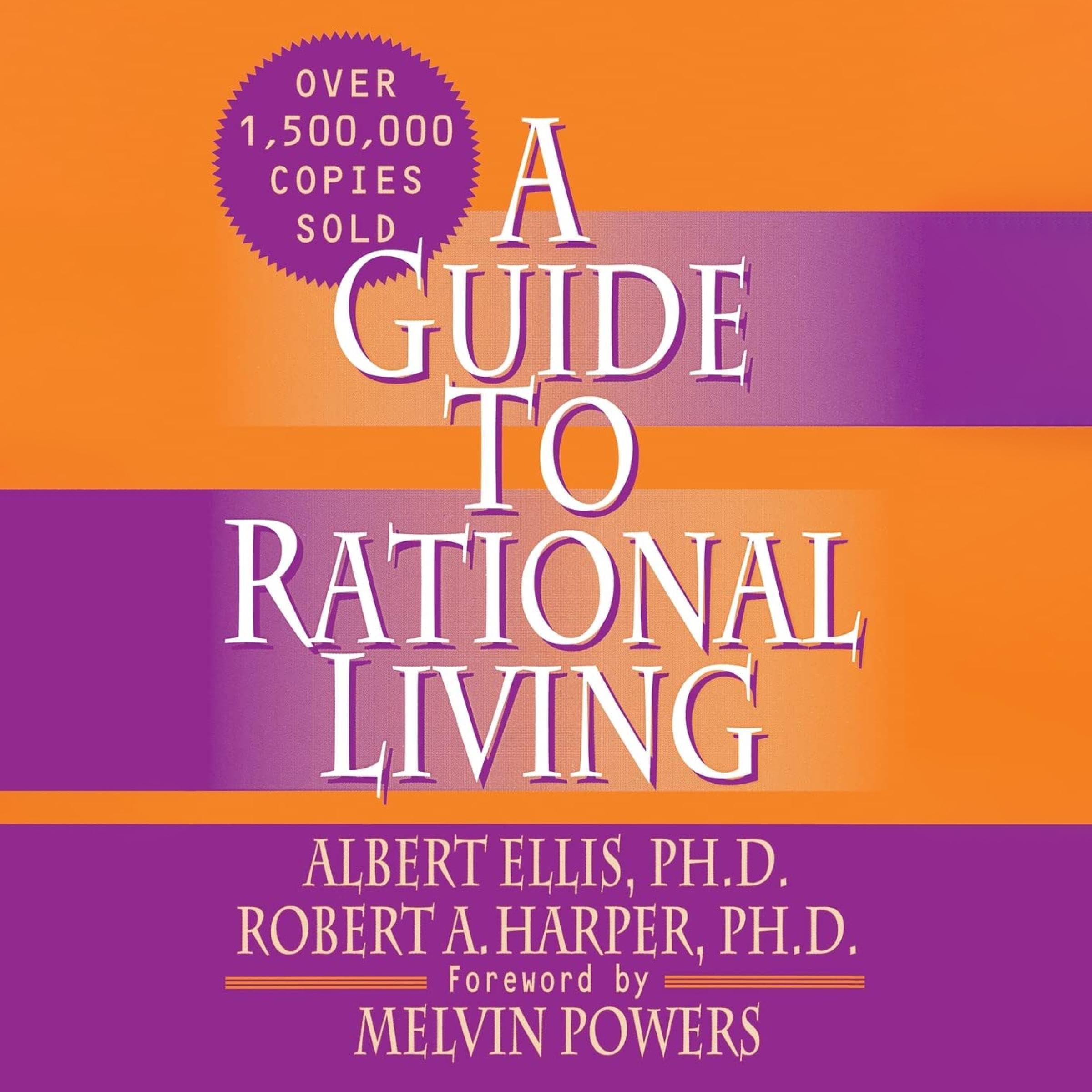
This book, unlike others you have probably read, employs none of the jargon usually associated with psychology or psychiatry, and it may well prove to be the best book on psychotherapy for laymen ever written. It can provide emotionally disturbed individuals with many answers they seek, and it can help everyone to feel better about themselves and to deal with their lives more effectively. The authors use a unique method of projecting their solutions to common problems. Thus, they point out that the individual who feels inadequate and insecure suffers from, for example, "Irrational Belief No. 2: The idea that you must be thoroughly competent, adequate, and achieving." Drs. Ellis and Harper use ten such ideas to bring out the scope of their psychotherapy, with subtle, helpful solutions that reflect their vast experience as therapists. They have training and a host of case histories, to buttress their advice. This not only makes for a more interesting book but creates confidence in the reader concerning the techniques suggested, all of which have proven effective in a clinical setting. Their direct, get-to-the-heart-of-the-problem methods show wide variance with most orthodox treatments that drag on interminably with clients never quite knowing where they stand. As far as I can see, here certainly lies, along with group therapy, the direction psychotherapy will take if it intends to make a real contribution to comprehensive health. If you feel you have the rigorous honesty necessary to conduct self-analysis, this book will be the most important one you have ever read. And it will seem a boon to those who cannot pay the high fees charged for individual treatment.