Margins




548 Market St PMB 65688, San Francisco California 94104-5401 USA
© 2026 Paratext Inc. All rights reserved
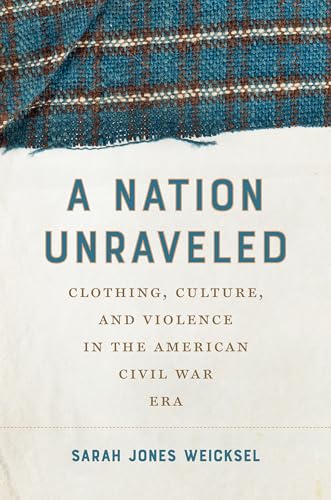
During the American Civil War, clothing became central to the ways people waged war and experienced its cost. Through the clothes they made, wore, mended, lost, and stole, Americans expressed their allegiances, showed their love, confronted their social and economic challenges, subverted expectations, and, ultimately, preserved their history. As the collections they left behind make clear, Civil War Americans believed clothing was not merely a reflection of one’s class, gender, race, military rank, political ideology, or taste. Instead, Northerners and Southerners alike understood that clothing—from the weave of a fabric to the style and make of a coat—had the power to affect people’s way of living through the war’s tumult. In this compelling and well-illustrated history, Sarah Jones Weicksel reveals the meanings clothing had for Civil War Americans. Contributing to the growing body of scholarship on the material culture of the Civil War, Weicksel invites readers to understand how the war penetrated daily life by focusing on the intimate, visceral, material experiences that shaped how people moved through the world.