Margins




548 Market St PMB 65688, San Francisco California 94104-5401 USA
© 2026 Paratext Inc. All rights reserved
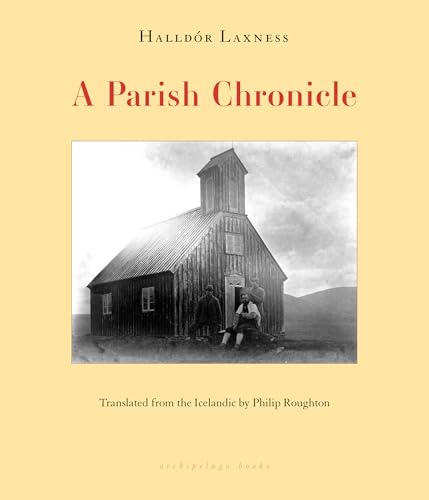
From Iceland’s Nobel laureate, an essayistic tale of the unlikely miracles that return a church—fated to disappear over & again throughout time—to the same hillside 1882. In the still of morning, Ólafur sharpens his scythe on the bone-dry pavestones that separate his farmhouse from the rest of Mosfell Valley, where life revolves around sheep. The sound of his hammer rings out like a high-pitched bell over the tussocky fields. Across the valley, perched on a hill that hoards more sunshine than others, stands Mosfell Church. Nearby, the parish priest’s maid Gunna pours her “slosh,” a weak cup of coffee. Further afield in Reykjavík (“down south” as the locals say) the general assembly decides to revisit an old plan to cut costs by consolidating small parishes, and calls for the demolition of Mosfell. Yet today a church stands on that same hillside—its sharp steeple silhouetted against the clouds, its crown bell hanging to the left of the altar. In A Parish Chronicle, celebrated novelist Halldór Laxness combs through the minutest details of history—from the location of the ancient burial mound of national hero Egill Skallagrímsson down to the latter part of the 19th century, when weak-sighted Ólafur and bawdy farmhand Gunna will each play an unlikely role in the parish’s stubborn survival. An intimate ode to the way of life in Laxness’s home valley, and a shrewd commentary on how history bends to the quirks of certain individuals—A Parish Chronicle abounds with life.