


Part of Series
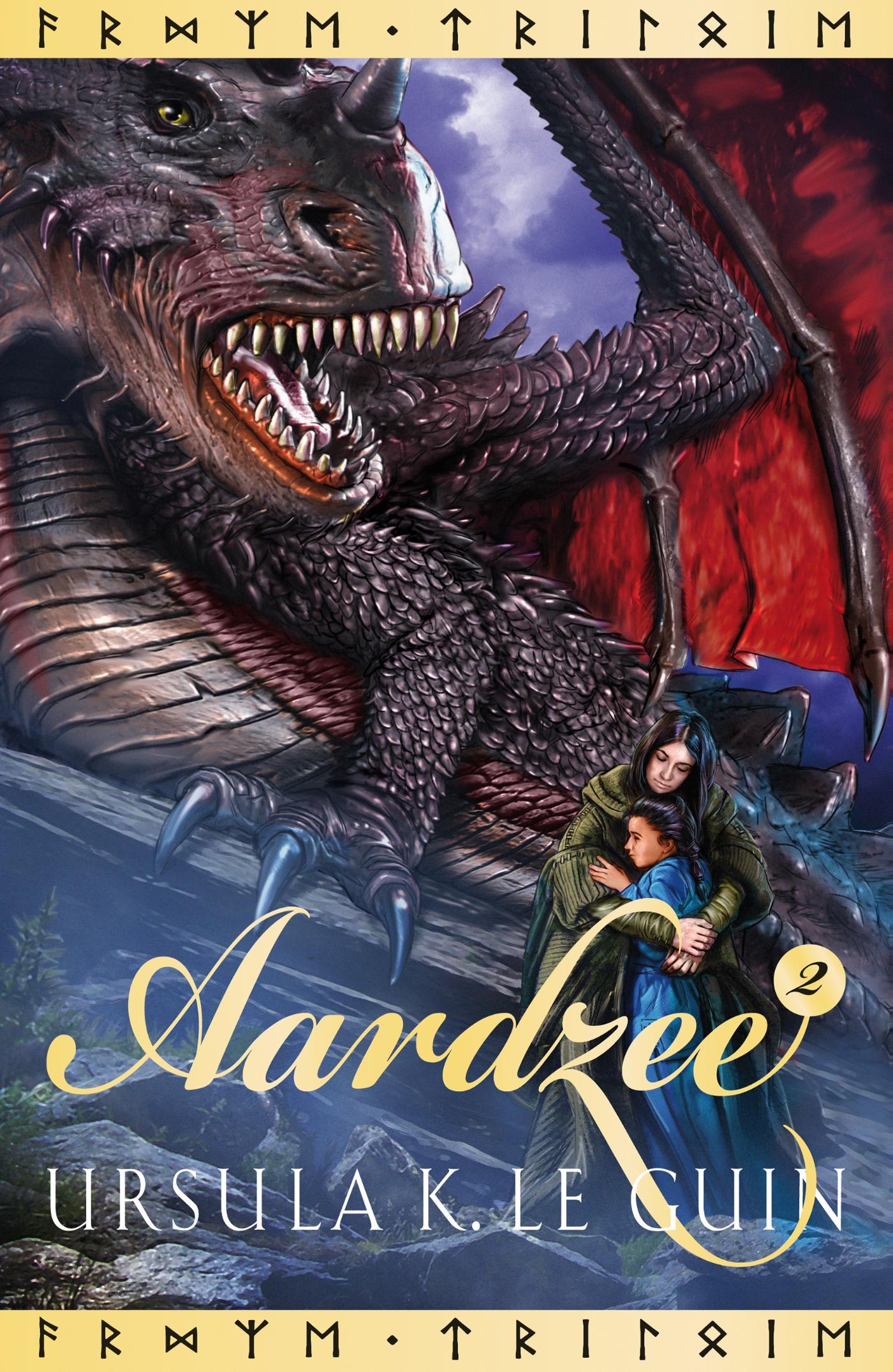
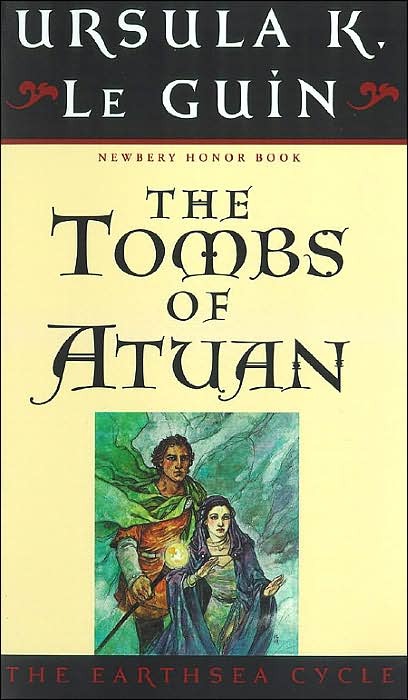
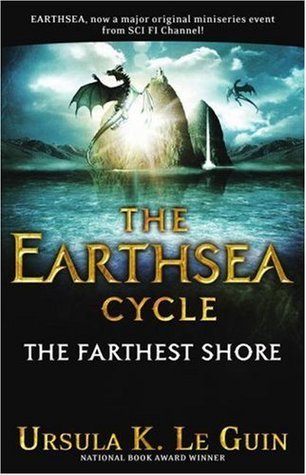
Tehanu / Verhalen van Aardzee / De andere wind Aardzee is een klassiek heldenepos over een man van nederige komaf die opklimt tot de toppen van zijn bijzondere gaven. Het is ook een van de eerste fantasy-verhalen waarin een tovenaarsschool een belangrijke rol speelt. Het is een sleuteltekst in het fantasy-genre, die enorme invloed heeft gehad op latere schrijvers. In dit vervolg op Aardzee onderzoekt Le Guin de keerzijde van macht en magie, met speciale aandacht voor het lot van vrouwen, kinderen en machtelozen. Elk van de verhalen in deze omnibus biedt een andere kijk op de wereld van Aardzee. Het nooit eerder vertaalde De andere wind, is na ruim dertig jaar (!) een prachtig en verrassend slotakkoord van dit geliefde epos.
Author

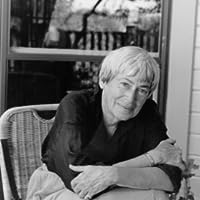
Ursula K. Le Guin published twenty-two novels, eleven volumes of short stories, four collections of essays, twelve books for children, six volumes of poetry and four of translation, and has received many awards: Hugo, Nebula, National Book Award, PEN-Malamud, etc. Her recent publications include the novel Lavinia, an essay collection, Cheek by Jowl, and The Wild Girls. She lived in Portland, Oregon. She was known for her treatment of gender (The Left Hand of Darkness, The Matter of Seggri), political systems (The Telling, The Dispossessed) and difference/otherness in any other form. Her interest in non-Western philosophies was reflected in works such as "Solitude" and The Telling but even more interesting are her imagined societies, often mixing traits extracted from her profound knowledge of anthropology acquired from growing up with her father, the famous anthropologist, Alfred Kroeber. The Hainish Cycle reflects the anthropologist's experience of immersing themselves in new strange cultures since most of their main characters and narrators (Le Guin favoured the first-person narration) are envoys from a humanitarian organization, the Ekumen, sent to investigate or ally themselves with the people of a different world and learn their ways.