


Part of Series
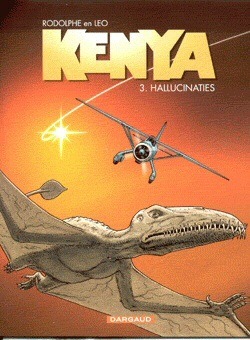
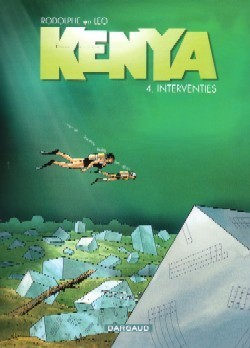
Het ene fenomeen na het andere doet zich er worden vliegende schotels waargenomen, monstrueuze beesten doemen op en gigantische, metalen kubussen komen uit de grond naar boven. De Amerikanen denken dat de Russen bezig zijn met geheime experimenten en de Russen verdenken de Amerikanen van hetzelfde. Toch wordt er ook gedacht aan buitenaardse wezens, aan bezoekers uit de ruimte... Maar wat komen die hier doen, aan de voet van de Kilimanjaro? Miss Austin, agente van de Britse geheime dienst, de Amerikaanse schrijver John Remington en de zonderlinge graaf Di Broglie proberen nog steeds een verklaring te vinden voor al deze mysteries.
Authors

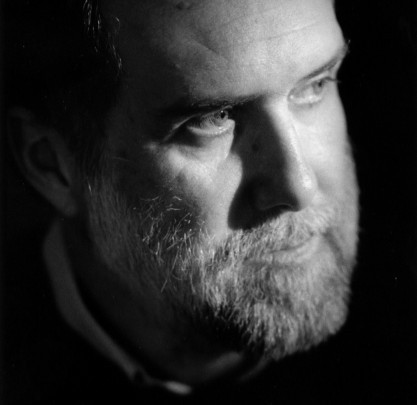
Luiz Eduardo de Oliveira (born on December 13, 1944 in Brazil),[1] more famous under his artist name LEO is a Brazilian comics creator. After having graduated as an engineer in mechanics, Oliveira left Brazil because of the military dictatorship that was in power at the time. He went first to Chile, but the following year saw the Chilean coup of 1973. This led Oliveira to leave, moving to Argentina, from where he finally returned to Brazil in 1974. He found work as an illustrator in the advertising industry of São Paulo, before once more leaving Brazil, in 1981, this time moving to France, hoping to illustrate comics. However as the Franco-Belgian comics industry was in recession at the time, he was forced to work in advertising once again, although he managed to get the occasional piece published in L'Écho des savanes and Pilote. In 1986, with the assistance of Jean-Claude Forest, Oliveira began contributing to the youth dedicated magazines of Bayard Presse. He illustrated true stories for Okapi magazine. He then recounted Mahatma Gandhi's life in the album Gandhi, le pèlerin de la paix, for Astrapi. In 1988, the comics writer Rodolphe asked him to provide the artwork for his stories. Their collaboration proved fruitful, producing 8 albums of material for their Trent series and 5 for their Kenya one. In 1993, Oleveira finally achieved an old dream when Dargaud agreed to publish his first solo series: Aldébaran. In 2000, after 5 volumes of Aldébaran, he launched Bételgeuse, which was nominated for the Prize for a Series at the Angoulême International Comics Festival in 2004.