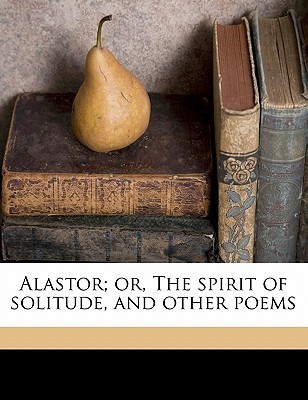



This meditation on artistic creativity was written during the latter months of 1815, during a sojourn on the border of Windsor Forest. Critics have concurred in the opinion that the anonymous hero of the poem is Shelley himself, who feared that he too would become an "inheritor of unfulfilled renown". Today, the poem is considered to be the first major work of Shelley's maturity. Appended to the collection were a number of shorter "To Coleridge" "Stanzas—April 1814" "Mutability" "The Pale, the Cold, and the Moony Smile" "A Summer-Evening Church-Yard" "To Wordsworth" "Feelings of a Republican on the Fall of Bonaparte" "Superstition" "Sonnet from the Italian of Dante" "Translated from the Greek of Moschus" "The Daemon of the World" The final poem is a reworking of the first two cantos of a much larger work, "Queen Mab", which was first published in 1813.
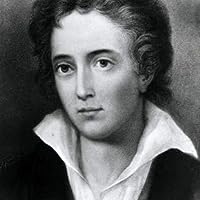
Author

Percy Bysshe Shelley was one of the major English Romantic poets and is widely considered to be among the finest lyric poets of the English language. He is perhaps most famous for such anthology pieces as Ozymandias, Ode to the West Wind, To a Skylark, and The Masque of Anarchy. However, his major works were long visionary poems including Alastor, Adonais, The Revolt of Islam, Prometheus Unbound and the unfinished The Triumph of Life. Shelley's unconventional life and uncompromising idealism, combined with his strong skeptical voice, made him a authoritative and much denigrated figure during his life. He became the idol of the next two or three generations of poets, including the major Victorian and Pre-Raphaelite poets Robert Browning, Alfred, Lord Tennyson, Dante Gabriel Rossetti, Algernon Charles Swinburne, as well as William Butler Yeats and poets in other languages such as Jibanananda Das and Subramanya Bharathy. He was also admired by Karl Marx, Henry Stephens Salt, and Bertrand Russell. Famous for his association with his contemporaries John Keats and Lord Byron, he was also married to novelist Mary Shelley.