Margins




548 Market St PMB 65688, San Francisco California 94104-5401 USA
© 2026 Paratext Inc. All rights reserved
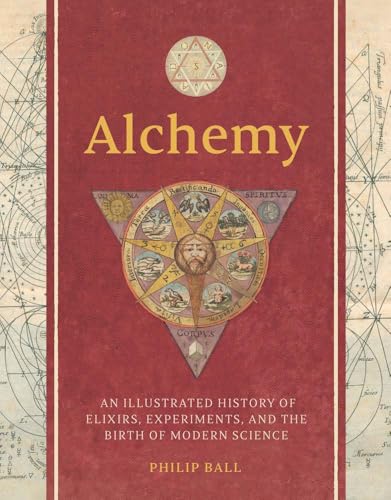
Flush with hundreds of illustrations, this book revisits the histories of chemistry, medicine, ideas, and culture through the lens of alchemy The craft of alchemy has intrigued and mystified people since antiquity. Many early cultures are known to have experimented with chemical transformations: from dyes, glazes, and cosmetics in Bronze Age Egypt to life-extending elixirs pursued by scholars in ancient China and India. Many have also attempted to transform lead, mercury, and other metals into gold—and some claim to have succeeded. In this visually stunning volume, Philip Ball sets alchemy within the context of the history of science and culture, showing that it was not simply an esoteric fantasy but an important phase in the development of experimental science and natural philosophy. Rich illustrations complement a narrative history of the methods and techniques developed in alchemical workshops, the search for the philosopher’s stone and “elixirs of life” that extended across diverse cultures, and the controversies surrounding the practices of making alchemical gold and alchemical medicine. Ball explores the rise of alchemy from its inception in Hellenistic culture, through the golden age of Islamic natural philosophy in the eighth to the eleventh centuries, to the emergence of the tradition of natural magic in the Renaissance, and to the roles of alchemical thought and practice in the beginnings of early modern science in the seventeenth century. He traces the persistence of alchemical ideas through the occult revival of the late nineteenth century and the fascination of the topic for modern artists and writers. This engaging and accessible book will provide readers of all backgrounds with a nuanced understanding of alchemy and its history.