Margins




548 Market St PMB 65688, San Francisco California 94104-5401 USA
© 2026 Paratext Inc. All rights reserved

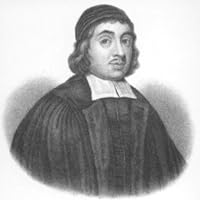
Thomas Watson's book 'All Things For Good' provides the biblical answer to the contemporary question; Why do bad things happen to good people? Thomas Watson, the 17th century minister of St. Stephen's Walbrook, believed he faced two great difficulties in his pastoral ministry. The first was making the unbeliever sad, in the recognition of his need of God's grace. The second was making the believer joyful in response to God s grace. He believed the answer to the second difficulty could be found in Paul's teaching in Romans 8.28: God works all things together for good for his people. First published in 1663 (under the title 'A Divine Cordial'), the year after Watson and some two thousand other ministers were ejected from the Church of England and exposed to hardship and suffering, 'All Things For Good' contains the rich exposition of a man who lived when only faith in God's Word could lead him to such confidence. Thomas Watson's exposition is always simple, illuminating and rich in practical application. He explains that both the best and the worst experiences work for the good of God's people. He carefully analyses what it means to be someone who 'loves God' and is 'called according to his purpose'.