Margins




548 Market St PMB 65688, San Francisco California 94104-5401 USA
© 2026 Paratext Inc. All rights reserved
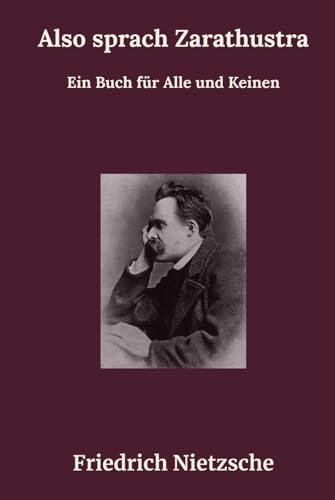
Zarathustra, der Weise, kehrt nach Jahren der Einsamkeit aus seiner kargen Behausung in den Bergen in die Zivilisation zurück, erfüllt von einer neuen Erkenntnis, die die Welt erschüttern "Gott ist tot"; der Mensch müsse deshalb lernen, allein über sich hinauszuwachsen. Doch die Botschaft stößt bei ihren Hörern auf Können die Menschen die Bürde von Freiheit und Verantwortung tragen? Was genau bedeutet es, in Zarathustras Sinne "übermenschlich" zu sein? Zarathustra kämpft sowohl mit seinen eigenen Zweifeln als auch mit einer Welt, die zwischen Tradition und Aufbruch gefangen ist.