Margins


548 Market St PMB 65688, San Francisco California 94104-5401 USA
© 2026 Paratext Inc. All rights reserved
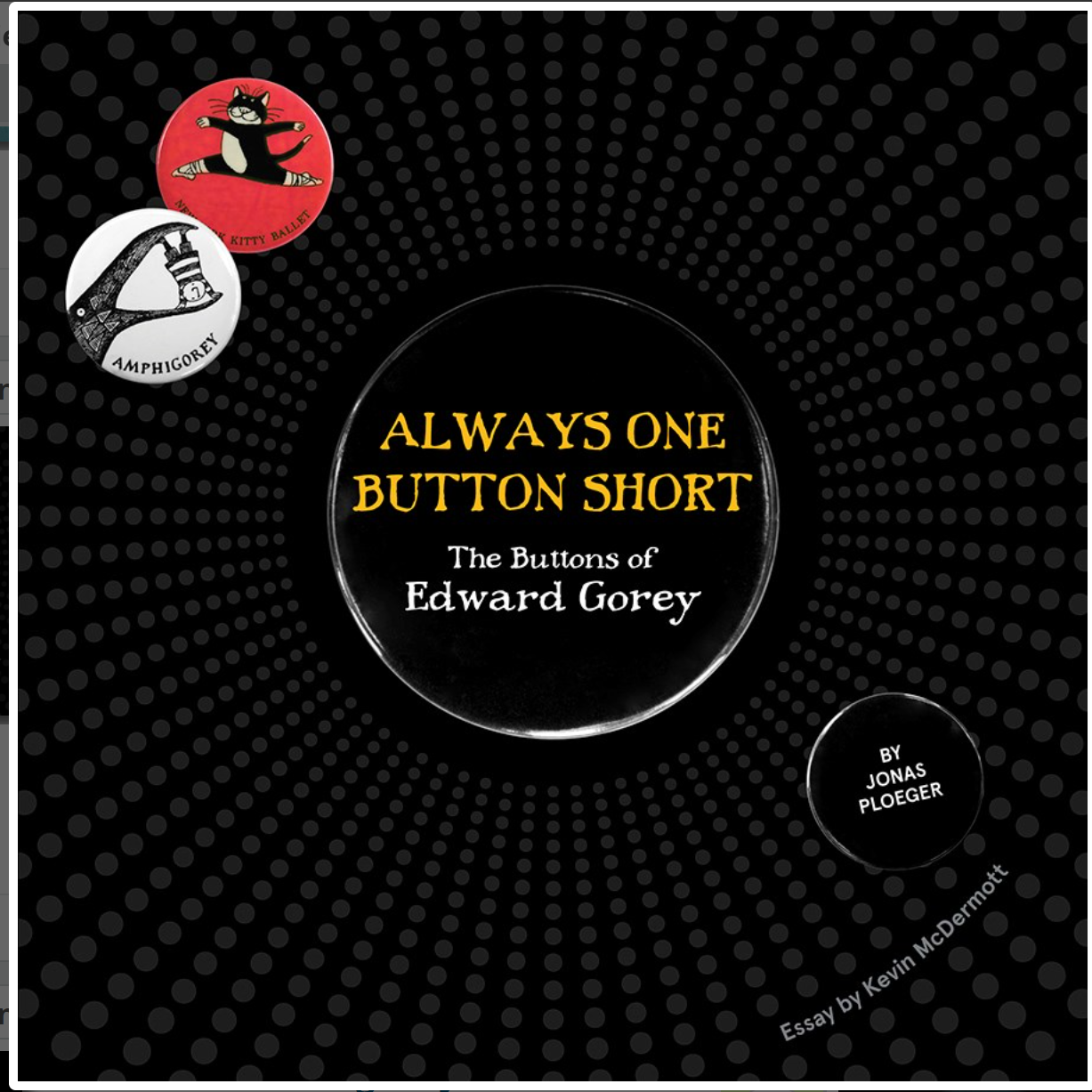
A master of the mysterious, Edward Gorey's artworks and writings abound with misadventures, oddities, and oblique humor. His forays into experimental theater follow suit, and to much delight, he designed pin-back buttons to accompany them. Now coveted by collectors, these bespoke buttons-created as souvenirs for the plays, puppet shows, revues, and other "entertainments" that Gorey wrote, designed, or directed-possess a curiosity factor disproportionate to their small size. Flapping Ankles, Inverted Commas, or Tinned Lettuce? Such buttons and the shows they were based on offer send-ups of staid conventions (idiosyncratic napkin folding, anyone?) or make cryptic suggestions to "Embrace Etceterism." But he didn't stop there-in his trademark style Gorey both lauded and gently spoofed his beloved New York City Ballet, and even dabbled in a bit of political commentary. With each button Gorey fashioned, he put the wearer at the center of a memory, a recollection of a particular place and time. Buttons (Gorey's especially, with their enigmatic designs) necessitate some form of personal connection-perhaps a laugh or a discussion, but at least an offering from one person to another. Gorey made his buttons as a reminder that one had "been there," had made that connection, and would carry that moment with them-literally and figuratively. Always One Button Short showcases a selection of Gorey's compact creations, researched and photographed by noted Gorey collector Jonas Ploeger. Kevin McDermott, longtime Gorey collaborator and author of Elephant House; or, The Home of Edward Gorey (Pomegranate), introduces the collection with a personal essay, recalling the history and meaning of his own Gorey button.
Ships within a few days. US addresses only.