Margins
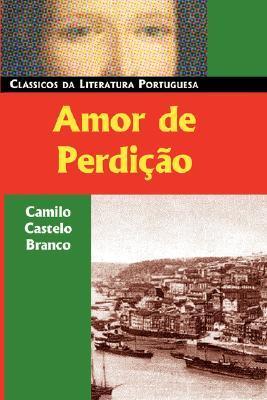
Amor de Perdição book cover
Amor de Perdição
1861
First Published
3.58
Average Rating
201
Number of Pages
Simão Botelho was a young man from Viseu - Portugal with a confrontational and problematic character. One day he falls madly in love and maintains a secret romance with Teresa de Albuquerque, the daughter of an enemy of his father, radically changing his attitude. After getting acknowledgement of the romance, Tadeu de Albuquerque promises his daughter's hand to his nephew Baltazar Coutinho. Refusing flatly, Teresa is sent to a convent, where she remains cloistered. Simão returns from Coimbra, where he was to complete his studies, and settles in the house of João da Cruz. His daughter Mariana falls in love immediately with Simão. In a failed attempt to meet with Teresa in the convent, Simon ends up killing his rival Baltazar and is sentenced to prison. The love triangle develops through the correspondence between Simão and Teresa and the daily visits of Mariana. Simão is condemned to the exile in India and on the day of his departure, this complicated novel ends in the most tragic way. Based on the true story of an uncle of the author Camilo Castelo Branco, this is his most famous novel.

Avg Rating
3.58
Number of Ratings
12,284
5 STARS
19%
4 STARS
36%
3 STARS
33%
2 STARS
9%
1 STARS
3%
goodreads

Author

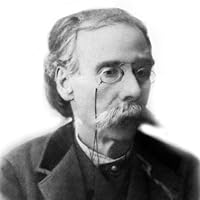
Camilo Castelo Branco
Author · 52 books

«Camilo Ferreira Botelho Castelo Branco (1825-1890) foi um dos escritores mais prolíferos e marcantes da literatura portuguesa contemporânea tendo sido romancista, cronista, crítico, dramaturgo, historiador, poeta e tradutor. Teve uma vida atribulada, que lhe serviu muitas vezes de inspiração para as suas novelas. Foi o primeiro escritor de língua portuguesa a viver exclusivamente do que escrevia. Durante quase 40 anos, entre 1851 e 1890, escreveu à pena, logo sem qualquer ajuda mecânica, mais de duzentas e sessenta obras, com a média superior a 6 por ano. Prolífico e fecundo escritor, deixou obras de referência na literatura lusitana. Apesar de toda essa fecundidade, Camilo Ferreira Botelho Castelo Branco não permitiu que a intensa produção prejudicasse a sua beleza idiomática ou mesmo a dimensão do seu vernáculo, transformando-o numa das maiores expressões artísticas e a sua figura num mestre da língua portuguesa.» Fonte; http://www.luso-livros.net/biografia/... Camilo Ferreira Botelho Castelo-Branco (1st Viscount de Correia Botelho), was born out of wedlock and orphaned in infancy. He spent his early years in a village in Trás-os-Montes. He fell in love with the poetry of Luís de Camões and Manuel Maria Barbosa de Bocage, while Fernão Mendes Pinto gave him a lust for adventure, but Camilo was a distracted student and grew up to be undisciplined and proud. He intermittently studied medicine and theology in Oporto and Coimbra and eventually chose to become a writer. After a spell of journalistic work in Oporto and Lisbon he proceeded to the episcopal seminary in Oporto in order to study for the priesthood. During this period Camilo wrote a number of religious works and translated the work of François-René de Chateaubriand. Camilo actually took minor holy orders, but his restless nature drew him away from the priesthood and he devoted himself to literature for the rest of his life. He was arrested twice, the second time due to his adulterous affair with Ana Plácido, who was married at the time. During his incarceration he wrote his most famous work "Amor de Perdição" and later it inspired his "Memórias do Cárcere" (literally "Memories of Prison"). Camilo was made a viscount (Visconde de Correia Botelho) in 1885 in recognition of his contributions to literature, and when his health deteriorated and he could no longer write, Parliament gave him a pension for life. Going blind (because of syphilis) and suffering from chronic nervous disease, Castelo Branco committed suicide in 1890.

548 Market St PMB 65688, San Francisco California 94104-5401 USA
© 2026 Paratext Inc. All rights reserved