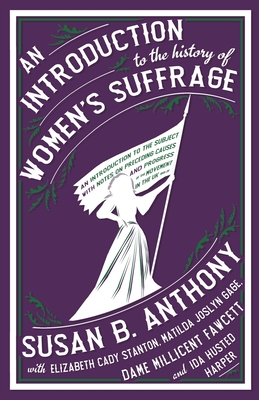



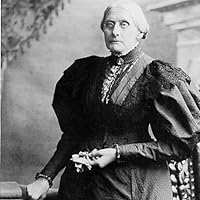
In 1881, three writers and rights activists, Susan B. Anthony, Elizabeth Cady Stanton and Matilda Joslyn Gage, came together to publish the first volume in their groundbreaking History of Woman Suffrage series – a series that eventually went on to fill 5700 pages and lend weight to a movement that changed the course of history for ever. Taking its dedication from the first volume of the History – to the memory of pioneering women whose ‘earnest lives and fearless words… have been, in the preparation of these pages, a constant inspiration’ – this volume collects together three essays that give an insight into the work as a whole, and provide a rounded introduction to the history of women’s suffrage.
Authors


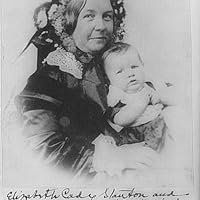
Elizabeth Cady Stanton was an American social activist and leading figure of the early woman's movement. Her Declaration of Sentiments, presented at the first women's rights convention held in 1848 in Seneca Falls, New York, is often credited with initiating the first organized woman's rights and woman's suffrage movements in the United States. Before Stanton narrowed her political focus almost exclusively to women's rights, she was an active abolitionist together with her husband, Henry Brewster Stanton and cousin, Gerrit Smith. Unlike many of those involved in the women's rights movement, Stanton addressed a number of issues pertaining to women beyond voting rights. Her concerns included women's parental and custody rights, property rights, employment and income rights, divorce laws, the economic health of the family, and birth control. She was also an outspoken supporter of the 19th-century temperance movement. After the American Civil War, Stanton's commitment to female suffrage caused a schism in the women's rights movement when she, along with Susan B. Anthony, declined to support passage of the Fourteenth and Fifteenth Amendments to the United States Constitution. She opposed giving added legal protection and voting rights to African American men while continuing to deny women, black and white, the same rights. Her position on this issue, together with her thoughts on organized Christianity and women's issues beyond voting rights, led to the formation of two separate women's rights organizations that were finally rejoined, with Stanton as president of the joint organization, approximately twenty years later.