Books in series
#49
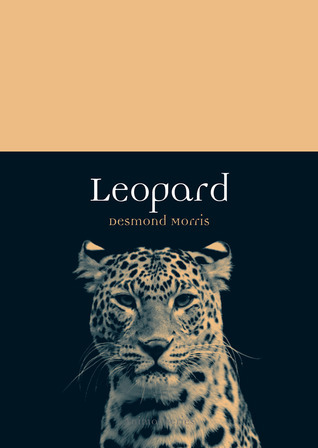
Leopard
2014
The sleek, spotted leopard may be the smallest of the big cats, but its ferocity and solitary style makes lions and tigers seem puny in comparison. Lacking the social mentality of other animals, the leopard is stealthy and selfish, ambushing its prey and carrying it high into a tree where it can dine alone. Humans call leopards the “perfect predator." In Leopard, renowned zoologist Desmond Morris seeks to show all sides of the cat, delving into the fascinating history of these incredible animals.
Morris examines the leopard’s athletic elegance, predatory skill, wary shyness, and cunning intelligence while also exploring the animal’s parental devotion, preference for solitude, and capacity for revenge. In addition to tracing the evolution of leopards, he considers how humans have related to the animal throughout history. Leopards, he shows, have long featured in the art, mythology, and folklore of ancient Greece, Persia, Rome, and even England, where they have not lived for several millennia. But humans and leopards do not always coexist peacefully; as Morris explains, leopards have been known to attack humans when their food is scarce or they are injured. He reveals how humans have exploited the cats, attempting to train them for circus roles, and how today some people are now making strides toward the leopard’s conservation. He also describes their rich symbolism, appearances in literature and film, and the use of the leopard print in both haute couture and down-market fashion.
Packed with compelling images of this amazing animal in action, Leopard sheds new light on these gorgeous cats.
#76
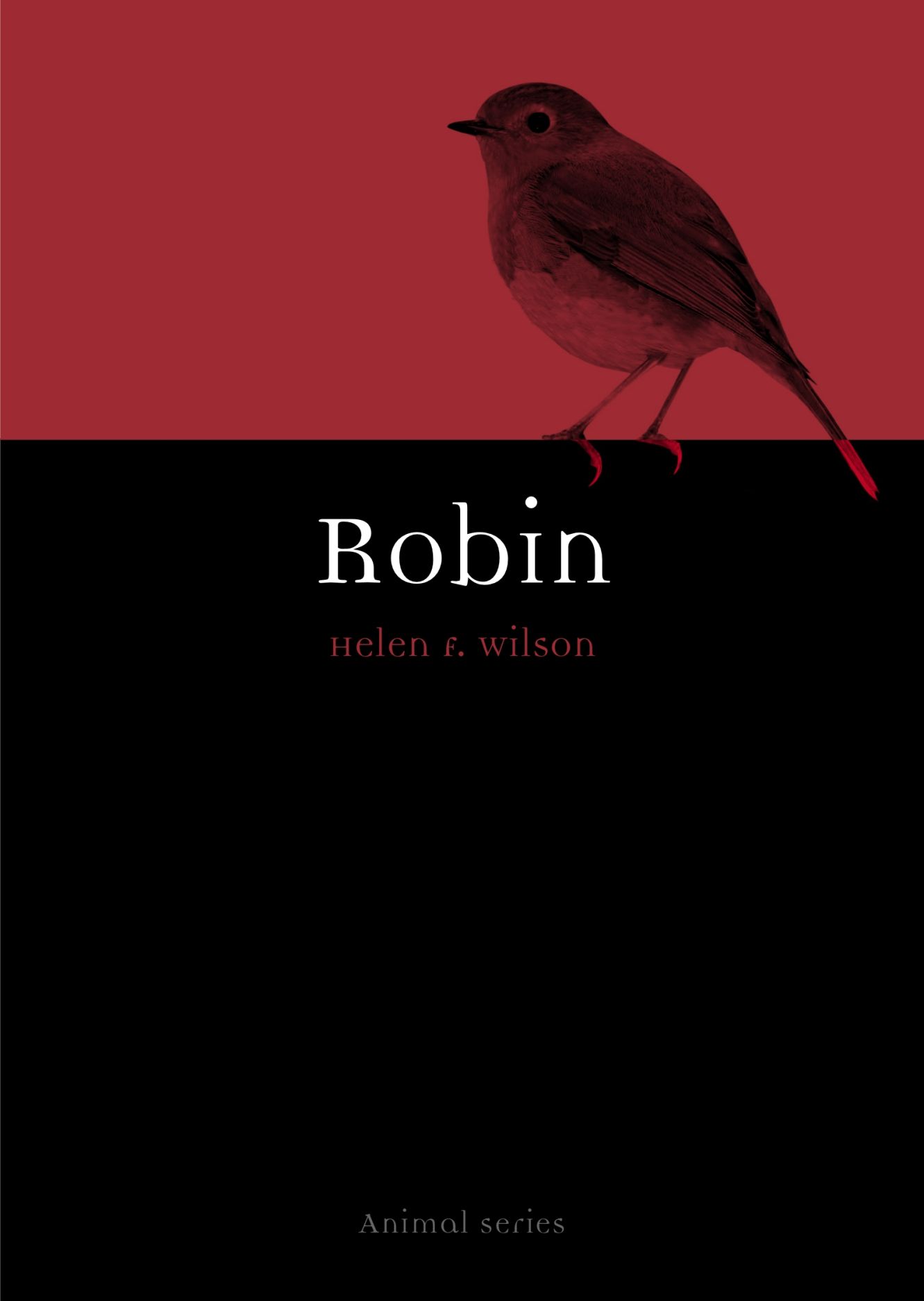
Robin
2022
A tuneful natural and cultural history of this globally renowned songbird.
The robin is a small bird with a distinctive ruddy breast, at once a British national treasure and a bird with a global reputation. In this superbly illustrated account, Helen F. Wilson looks at many aspects of the cherished robin, from its status as a harbinger of seasonal change and, in the United Kingdom, an icon of Christmas, to its place in fairy tales, environmental campaigns, and scientific discovery. In moving between cultural and natural histories, Robin asks wide-ranging questions, such as how did the robin’s name travel the world? Why is the robin so melancholy? Who was Cock Robin? And how has the history of the color red shaped the robin’s ambivalent associations and unusual origin stories?
#94
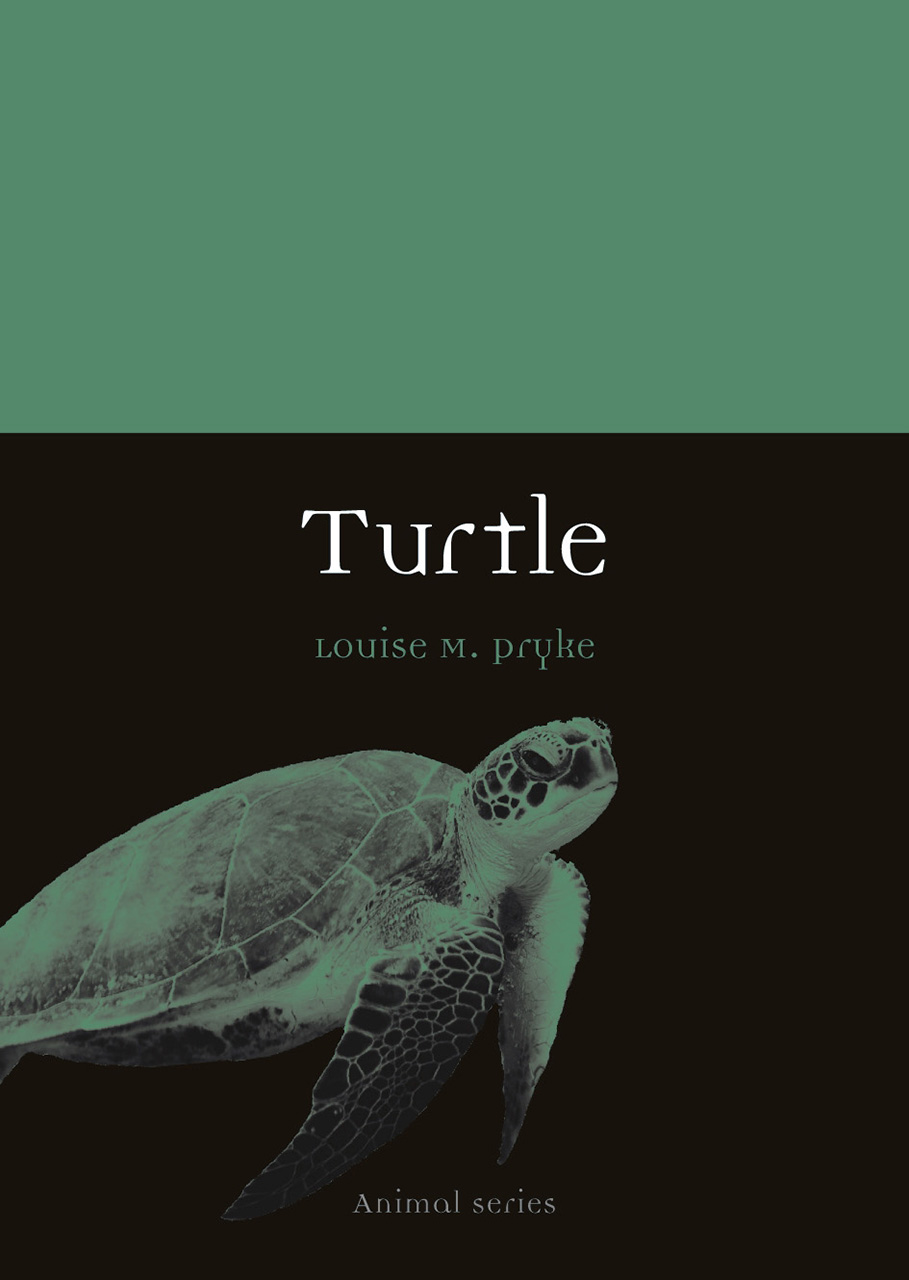
Turtle
2021
As ancient creatures that once shared the Earth with dinosaurs, turtles have played a crucial role in maintaining healthy terrestrial and marine ecosystems for more than one hundred million years. While it may not set records for speed on land, the turtle is exceptional at distance swimming and deep diving, and some are gifted with astounding longevity. In human thought, the animal’s ties to creativity, wisdom, and warfare stretch back to the world’s earliest written records. In Turtle, Louise M. Pryke celebrates the slow and unassuming manner of this doughty creature, which provides a living model of endurance and efficiency. In the increasingly fast-paced world of the twenty-first century, it has never been more important to consider the natural and cultural history of this remarkable animal.
Authors
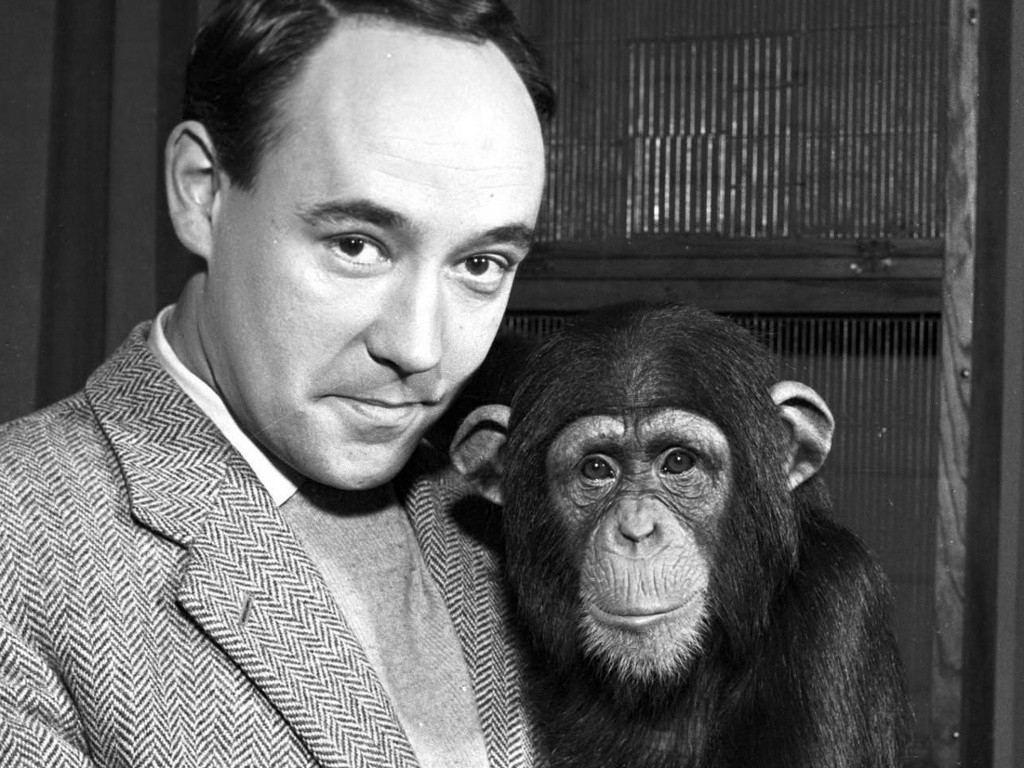
Desmond Morris
Author · 46 books
Desmond John Morris (born 24 January 1928) is an English zoologist, ethologist and surrealist painter, as well as a popular author in human sociobiology. He is known for his 1967 book The Naked Ape, and for his television programmes such as Zoo Time.