Margins




548 Market St PMB 65688, San Francisco California 94104-5401 USA
© 2026 Paratext Inc. All rights reserved
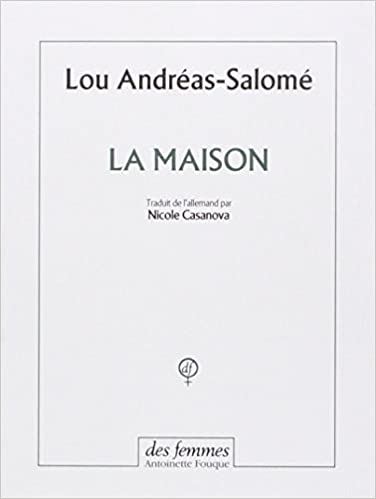
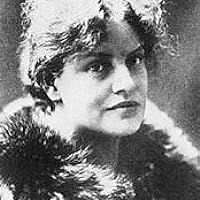
Best known now for her involvement with Nietzsche, Rilke, and Freud, German writer Lou Andreas-Salom� (1861-1937) first became famous for fiction and criticism that engaged provocatively with "the women question." In recent years, her treatments of the challenges facing women in a patriarchal society have awakened renewed interest. To date, however, only her major novellas have appeared in English - not her six novels. Anneliese's House is the first English translation of her last and most masterful work of fiction, Das Haus: Eine Familiengeschichte vom Ende vorigen Jahrhunderts (The House: A Family Story from the End of the Nineteenth Century), begun in 1904 and published in 1921. The edition is fully annotated, with a critical introduction and bibliography. Anneliese Branhardt, the novel's protagonist, long ago renounced a career as a pianist to raise a family with her physician husband, Frank. Mother of two grown children, she is haunted by memories of the childhood death of a daughter and anxious about a risky, late pregnancy. She also worries about her son Balduin - an aspiring poet modeled on Rilke - and about her equally free-spirited daughter Gitta. With her domestic harmony threatened by her own stirrings of autonomy and her children's growing independence, Anneliese finds the future both frightening and promising. Editor/translators: RALEIGH WHITINGER is Professor emeritus at the University of Alberta. FRANK BECK is a writer and translator.