


Pasaulinės literatūros biblioteka, 4 knyga Šiame tome pateikiami žymiausių antikos komediografų kūrybos pavyzdžiai – senovės graikų dramaturgų Aristofano „Debesys“, „Taika“, „Varlės“, „Plutas“, Menandro „Bambeklis“ ir romėnų rašytojų Plauto „Vergas apgavikas“, „Karys pagyrūnas“, „Dvyniai“, Amfitrionas“ bei Terencijaus „Broliai“. „Taika“ ir „Bambeklis“ lietuviškai skelbiama pirmą kartą.
Authors

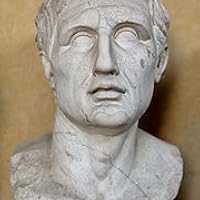
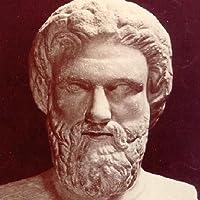
Aristophanes (Greek: Αριστοφάνης; c. 446 BCE – c. 386 BCE) was a playwright of ancient Athens. About 11 of his works are known in full, and they are the only plays of the "Old Comedy" style to have survived. They are The Acharnians, The Birds, The Clouds, The Ecclesiazusae, The Frogs, The Knights, Peace, Plutus (Wealth), The Thesmophoriazusae, and The Wasps. These plays have been translated into many languages and continue to be staged or adapted for theatrical productions. Aristophanes satirized the political and social issues of 5th-century-BC Athens, such as the ongoing Peloponnesian War, the structure of the city-state, the role of women in public life, and the influence of philosophers (notably Socrates) in shaping public opinion.

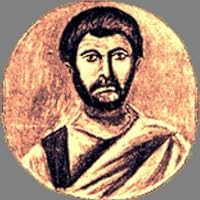
Publius Terentius Afer (c. 195/185–159 BC), better known in English as Terence, was a playwright of the Roman Republic, of North African descent. His comedies were performed for the first time around 170–160 BC. Terentius Lucanus, a Roman senator, brought Terence to Rome as a slave, educated him and, later on, impressed by his abilities, freed him. Terence, apparently, died young, probably in Greece or on his way back to Rome. His six verse comedies, that were long regarded as models of pure Latin, form the basis of the modern comedy of manners. One famous quotation by Terence reads: "Homo sum, humani nihil a me alienum puto", or "I am a human being, I consider nothing that is human alien to me." This appeared in his play, Heauton Timorumenos.

Greek: Μένανδρος Menander (ca. 342–291 BC), the best-known representative of Athenian New Comedy, was the son of well-to-do parents; his father Diopeithes is identified by some with the Athenian general and governor of the Thracian Chersonese known from the speech of Demosthenes De Chersoneso. He presumably derived his taste for comic drama from his uncle Alexis.