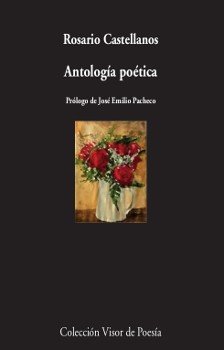



ROSARIO CASTELLANOS (Ciudad de México, 1925 - Tel Aviv, 1974), una de las voces imprescindibles de la poesía en lengua española del siglo XX. Durante su infancia vivió en Chiapas. Cursó estudios de letras en la UNAM y estética y estilística en Madrid. Trabajó en el Instituto Indigenista Nacional apoyando las condiciones de vida de los indígenas y de las mujeres de México. Profesora en la UNAM, Wisconsin, Colorado e Indiana. En 1971 fue nombrada embajadora en Israel, donde falleció. “Una y otra vez la poesía de Rosario Castellanos nos recordó que la vida no es eterna y el sufrimiento no es molestia accidental sino la condición misma de la vida. Pero lo hizo en un lenguaje de tanta fluidez y luminosidad que la impresión final no corresponde a la pesadumbre sino al goce ante el trabajo artístico bien realizado.” JOSÉ EMILIO PACHECO
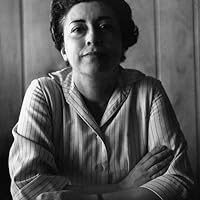
Author

Rosario Castellanos Figueroa (25 May 1925 – 7 August 1974) was a Mexican poet and author. Along with the other members of the Generation of 1950 (the poets who wrote following the Second World War, influenced by César Vallejo and others), she was one of Mexico's most important literary voices in the last century. Throughout her life, she wrote eloquently about issues of cultural and gender oppression, and her work has influenced feminist theory and cultural studies. Though she died young, she opened the door of Mexican literature to women, and left a legacy that still resonates today. Throughout her career, Castellanos wrote poetry, essays, one major play, and three novels: the semi-autobiographical Balún Canán and Oficio de tinieblas (translated into English as The Book of Lamentations) depicting a Tzotzil indigenous uprising in Chiapas based on one that had occurred in the 19th century. Despite being a ladino – of mestizo, not indigenous descent – Castellanos shows considerable concern and understanding for the plight of indigenous peoples. "Cartas a Ricardo," a collection of her letters to her husband Ricardo Guerra was published after her death as was her third novel, Rito de iniciación. Rosario Castellanos said of the collection of her letters in Cartas a Ricardo that she considered them to be her autobiography. Rito de iniciación is in the bildungsroman tradition about a young woman who discovers her vocation of a writer. Castellanos' poem, "Valium 10," is in the confessional mode, and is a great feminist poem comparable to Sylvia Plath's "Daddy." (from Wikipedia)