Margins
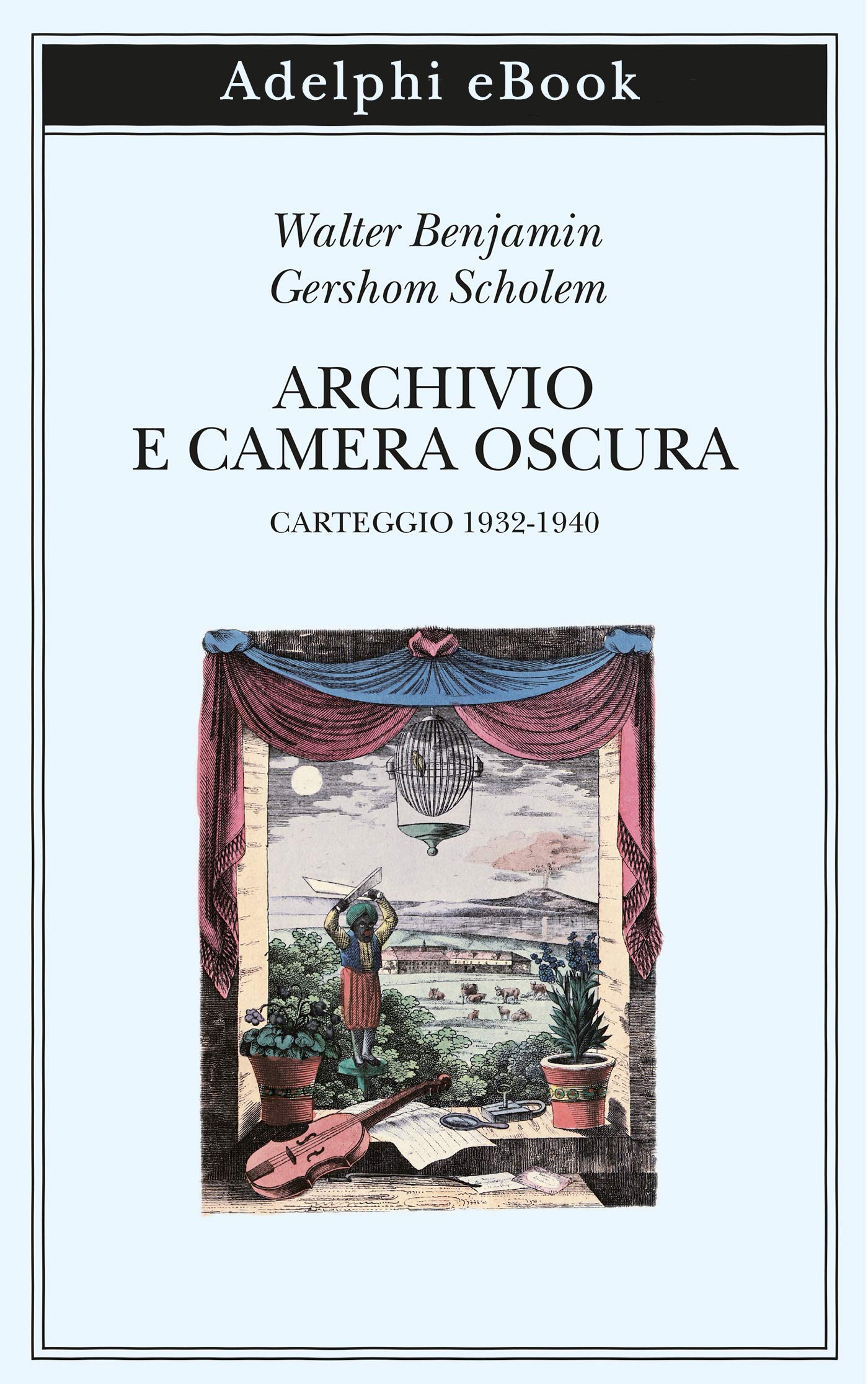
Archivio e camera oscura book cover
Archivio e camera oscura
Carteggio 1932-1940
2020
First Published
4.00
Average Rating
463
Number of Pages
L’amicizia fra Benjamin e Scholem spicca, nel Novecento, come una tra le più affascinanti e vitali. E quando nel 1980 Scholem pubblica questo carteggio, che copre gli ultimi otto anni della vita di Benjamin, vuole rendere giustizia a un rapporto complesso e non privo di contrasti, ma improntato a una profonda fedeltà. Grande studioso della Qabbalah e della mistica ebraica, Scholem è, nel 1932, già da tempo in Palestina e ormai a un passo dalla cattedra; la vita di Benjamin, cabbalista in incognito e profondo innovatore del pensiero, attraversa invece la sua fase più tormentata: ospite di volta in volta a Ibiza, Parigi, Sanremo e in Danimarca, è costantemente alla ricerca di una base di sussistenza. Tra i due, fortemente segnati dalla formazione nella Berlino di inizio secolo e subito attratti dalle ricerche l’uno dell’altro, si sviluppa un confronto incessante che investe l’attualità politica, i libri letti, le comuni conoscenze (da Buber a Bloch, da Brecht ai francofortesi), e che trova il suo fulcro nei densissimi scambi a proposito di Kafka. Un dialogo a distanza – se si esclude il breve incontro parigino dell’inverno del 1938 – e non di rado drammatico, intessuto com’è anche di malintesi, puntute allusioni, eloquenti silenzi, ma che resta una prova convincente delle parole con cui Benjamin definì il suo rapporto con Scholem: «fra Gerhard e me le cose stanno così: ci siamo persuasi a vicenda».

Avg Rating
4.00
Number of Ratings
4
5 STARS
25%
4 STARS
50%
3 STARS
25%
2 STARS
0%
1 STARS
0%
goodreads

Authors

Gershom Scholem
Gershom Scholem
Author · 17 books

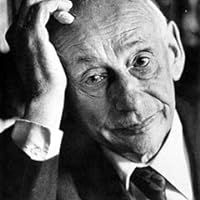
Gerhard Scholem who, after his immigration from Germany to Israel, changed his name to Gershom Scholem (Hebrew: גרשם שלום), was a German-born Israeli philosopher and historian. He is widely regarded as the founder of the modern, academic study of Kabbalah, becoming the first Professor of Jewish Mysticism at the Hebrew University of Jerusalem. His close friends included Walter Benjamin and Leo Strauss, and selected letters from his correspondence with those philosophers have been published. Scholem is best known for his collection of lectures, Major Trends in Jewish Mysticism (1941) and for his biography Sabbatai Zevi, the Mystical Messiah (1973). His collected speeches and essays, published as On Kabbalah and its Symbolism (1965), helped to spread knowledge of Jewish mysticism among non-Jews.

Walter Benjamin
Walter Benjamin
Author · 54 books

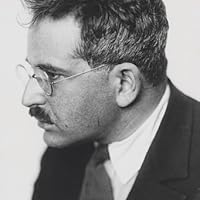
Walter Bendix Schönflies Benjamin was a German-Jewish Marxist literary critic, essayist, translator, and philosopher. He was at times associated with the Frankfurt School of critical theory and was also greatly inspired by the Marxism of Bertolt Brecht and Jewish mysticism as presented by Gershom Scholem. As a sociological and cultural critic, Benjamin combined ideas drawn from historical materialism, German idealism, and Jewish mysticism in a body of work which was a novel contribution to western philosophy, Marxism, and aesthetic theory. As a literary scholar, he translated the Tableaux Parisiens edition of Baudelaire's Les Fleurs du mal as well as Proust's In Search of Lost Time. His work is widely cited in academic and literary studies, in particular his essays The Task of the Translator and The Work of Art in the Age of Mechanical Reproduction. Influenced by Bachofen, Benjamin gave the name "auratic perception" to the aesthetic faculty through which civilization would recover a lost appreciation of myth.

548 Market St PMB 65688, San Francisco California 94104-5401 USA
© 2025 Paratext Inc. All rights reserved