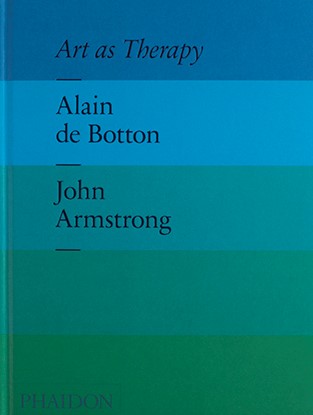
What is art for? In the engaging, lively, and controversial new book, bestselling philosopher Alain de Botton, with art historian John Armstrong, proposes a new way of looking at art, suggesting that it can be useful, relevant, and - above all else - therapeutic for its audiences. De Botton argues that certain great works of art offer clues on managing the tensions and confusions of everyday life. Art as Therapy is packed with 150 examples of outstanding art, with chapters on Love, Nature, Money, and Politics outlining how these works can help with common difficulties. For example, Vermeer's Girl Reading a Letter helps us focus on what we want to be loved for; Serra's Fernando Passoa reminds us of the importance of dignity in suffering; and Manet's Bunch of Asparagus teaches us how to preserve and value our long-term partners. De Botton demonstrates how art can guide and console us, and along the way, help us to better understand both art and ourselves.
Author
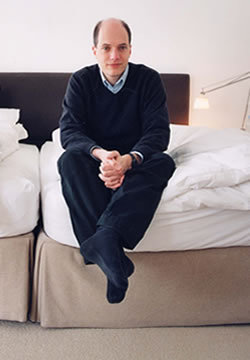
Alain de Botton is a writer and television producer who lives in London and aims to make philosophy relevant to everyday life. He can be contacted by email directly via www.alaindebotton.com He is a writer of essayistic books, which refer both to his own experiences and ideas- and those of artists, philosophers and thinkers. It's a style of writing that has been termed a 'philosophy of everyday life.' His first book, Essays in Love [titled On Love in the US], minutely analysed the process of falling in and out of love. The style of the book was unusual, because it mixed elements of a novel together with reflections and analyses normally found in a piece of non-fiction. It's a book of which many readers are still fondest. Bibliography: * Essays In Love (1993) * The Romantic Movement (1994) * Kiss and Tell (1995) * How Proust Can Change Your Life (1997) * The Consolations of Philosophy (2000) * The Art of Travel (2002) * Status Anxiety (2004) * The Architecture of Happiness (2006) * The Pleasures and Sorrows of Work (2009)