


Margins
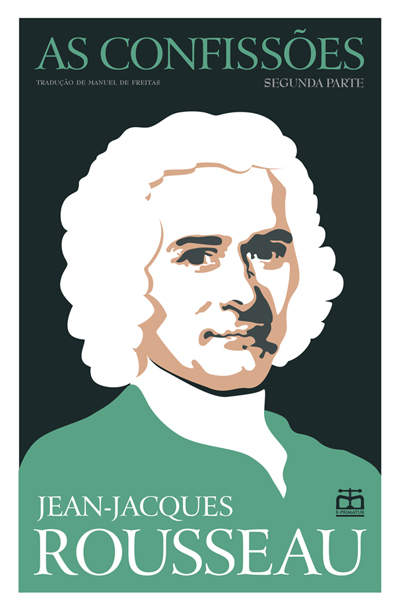
As Confissões - Segunda Parte book cover
As Confissões - Segunda Parte
2002
First Published
3.47
Average Rating
598
Number of Pages

Part of Series

A segunda parte de As Confissões, publicada postumamente em 1789, prolonga a ambição de Rousseau de narrar a sua vida com uma franqueza absoluta, mantendo a combinação de memória íntima e reflexão filosófica que caracteriza a obra. Esta secção acompanha o percurso do autor desde a sua chegada a Paris, em 1741, até aos anos em que alcança a celebridade literária e filosófica, passando também pelas experiências que precipitaram o seu isolamento progressivo. Nesta fase, Rousseau descreve a sua inserção nos círculos intelectuais parisienses, o convívio com figuras como Diderot, Grimm e Madame d’Épinay, e a participação no movimento enciclopedista. Paralelamente, relata os dilemas pessoais ligados às suas relações sentimentais, em particular a ligação duradoura com Thérèse Levasseur, bem como episódios de atrito com antigos amigos e patronos. A narrativa mostra o contraste entre o idealismo do jovem pensador e as tensões do mundo social e político em que se move.
Avg Rating
3.47
Number of Ratings
17
5 STARS
24%
4 STARS
24%
3 STARS
35%
2 STARS
12%
1 STARS
6%
goodreads

Author

Jean-Jacques Rousseau
Author · 67 books

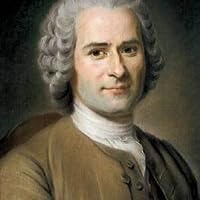
Swiss philosopher and writer Jean Jacques Rousseau held that society usually corrupts the essentially good individual; his works include The Social Contract and Émile (both 1762). This important figure in the history contributed to political and moral psychology and influenced later thinkers. Own firmly negative view saw the post-hoc rationalizers of self-interest, apologists for various forms of tyranny, as playing a role in the modern alienation from natural impulse of humanity to compassion. The concern to find a way of preserving human freedom in a world of increasingly dependence for the satisfaction of their needs dominates work. This concerns a material dimension and a more important psychological dimensions. Rousseau a fact that in the modern world, humans come to derive their very sense of self from the opinions as corrosive of freedom and destructive of authenticity. In maturity, he principally explores the first political route, aimed at constructing institutions that allow for the co-existence of equal sovereign citizens in a community; the second route to achieving and protecting freedom, a project for child development and education, fosters autonomy and avoids the development of the most destructive forms of self-interest. Rousseau thinks or the possible co-existence of humans in relations of equality and freedom despite his consistent and overwhelming pessimism that humanity will escape from a dystopia of alienation, oppression, and unfreedom. In addition to contributions, Rousseau acted as a composer, a music theorist, the pioneer of modern autobiography, a novelist, and a botanist. Appreciation of the wonders of nature and his stress on the importance of emotion made Rousseau an influence on and anticipator of the romantic movement. To a very large extent, the interests and concerns that mark his work also inform these other activities, and contributions of Rousseau in ostensibly other fields often serve to illuminate his commitments and arguments.

548 Market St PMB 65688, San Francisco California 94104-5401 USA
© 2026 Paratext Inc. All rights reserved