Margins
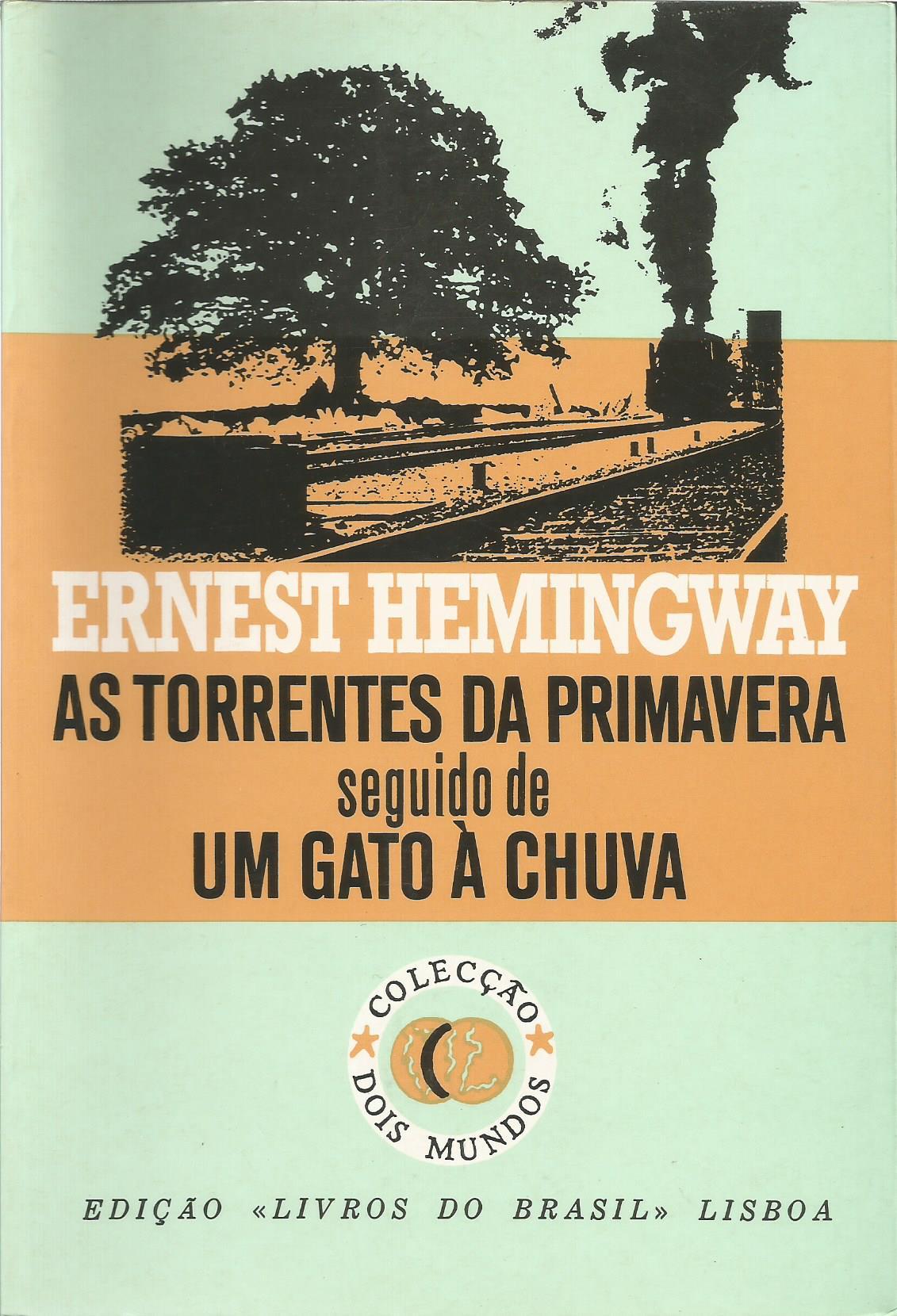
As Torrentes da Primavera seguido de Um Gato à Chuva e Outros Contos book cover
As Torrentes da Primavera seguido de Um Gato à Chuva e Outros Contos
1938
First Published
3.28
Average Rating
208
Number of Pages
Romance de estreia de Ernest Hemingway, publicado originalmente em 1926, As Torrentes da Primavera conta a história de dois homens - um deles escritor, o outro veterano de guerra, ambos funcionários de uma fábrica de bombas no norte do Michigan e os dois em busca da sua mulher ideal. Paródia à escola literária da sua geração, aos seus temas e estilos, este é um texto de juventude cheio de ironia por onde despontam já, com vigor, as valiosas características literárias que Hemingway viria a consolidar em numerosas obras de referência. E que são confirmadas pelo conjunto de catorze contos apresentados neste volume, escritos também nesses seus primeiros anos de criação

Avg Rating
3.28
Number of Ratings
64
5 STARS
9%
4 STARS
25%
3 STARS
50%
2 STARS
16%
1 STARS
0%
goodreads

Author

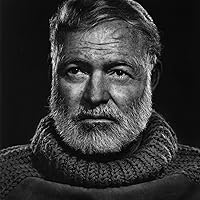
Ernest Hemingway
Ernest Hemingway
Author · 195 books

Terse literary style of Ernest Miller Hemingway, an American writer, ambulance driver of World War I, journalist, and expatriate in Paris during the 1920s, marks short stories and novels, such as The Sun Also Rises (1926) and The Old Man and the Sea (1952), which concern courageous, lonely characters, and he won the Nobel Prize of 1954 for literature. Economical and understated style of Hemingway strongly influenced 20th-century fiction, whereas his life of adventure and his public image influenced later generations. Hemingway produced most of his work between the mid-1920s and the mid-1950s. He published seven novels, six short story collections and two nonfiction works. Survivors published posthumously three novels, four collections of short stories, and three nonfiction works. People consider many of these classics. After high school, Hemingway reported for a few months for the Kansas City Star before leaving for the Italian front to enlist. In 1918, someone seriously wounded him, who returned home. His wartime experiences formed the basis for his novel A Farewell to Arms . In 1922, he married Hadley Richardson, the first of his four wives. The couple moved, and he worked as a foreign correspondent and fell under the influence of the modernist writers and artists of the expatriate community of the "lost generation" of 1920s. After his divorce of 1927 from Hadley Richardson, Hemingway married Pauline Pfeiffer. At the Spanish civil war, he acted as a journalist; afterward, they divorced, and he wrote For Whom the Bell Tolls . Hemingway maintained permanent residences in Key West, Florida, and Cuba during the 1930s and 1940s. Martha Gellhorn served as third wife of Hemingway in 1940. When he met Mary Welsh in London during World War II, they separated; he presently witnessed at the Normandy landings and liberation of Paris. Shortly after 1952, Hemingway went on safari to Africa, where two plane crashes almost killed him and left him in pain and ill health for much of the rest of his life. Nevertheless, in 1959, he moved from Cuba to Ketchum, Idaho, where he committed suicide in the summer of 1961.

548 Market St PMB 65688, San Francisco California 94104-5401 USA
© 2026 Paratext Inc. All rights reserved