Margins




548 Market St PMB 65688, San Francisco California 94104-5401 USA
© 2026 Paratext Inc. All rights reserved

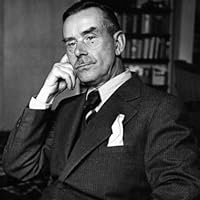
História de uma mulher de meia-idade em tumulto físico e emocional, que pode ser lida como o contraponto feminino de A Morte em Veneza, A Mulher Atraiçoada foi a última novela publicada por Thomas Mann, em 1953. Mais de uma década antes, em 1940, lançara As Cabeças Trocadas, a sua versão filosófica de uma lenda indiana em torno de um triângulo amoroso. E, entre as duas, em 1943, escreveu A Lei, um novo olhar sobre a vida de Moisés, o nascimento do povo judeu e a construção de um código moral que os nazis procuravam então destruir. Traduzidas pela primeira vez do alemão, as três últimas novelas de Thomas Mann são agora integradas num só volume por onde perpassa uma mesma voz de grande ironia e paródia, um questionamento constante das normas e uma reflexão poeticamente tecida sobre a complexidade do comportamento humano. Os grandes nomes da literatura universal estão de volta na página especial da coleção Dois Mundos.