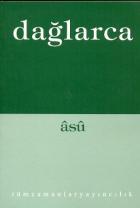



Sürez diyor Asu onların zaman dediklerine. Bu sürmenin bitmez tükenmezliğine daha sınırsız, daha içten bir anlam katıyor da ondan. Bir ortabenek vardır. Diyelim ki bu yeryüzüdür. Ortabenek üzerinde iç içe değirmiler vardır. Diyelim ki bu sürezin katlarıdır. Ortabenek üzerinde iç içe değirmiler vardır. Kişi usunca, yüreğince bir değirmiye ulaşır. Hangi çağda yaşarsa yaşasın Asu'ların birbirini görebilmeleri, tanıyabilmeleri bundandır. Asu biraz Asyalıdır. Ama yeryüzü biraz Asyalı değil midir? Asu uygarlığımızın nedenidir. Niceliğidir Asu varlığımızın Ortabenek üzerinde iç içe değirmileri vardır. Sürezin bir uzunluk olmadığı bu değirmilerden de belli.
Author

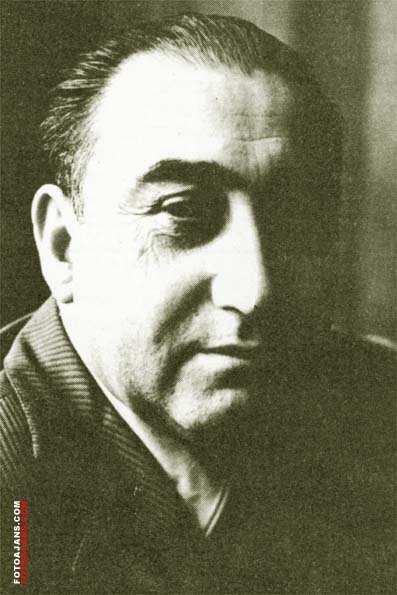
Fazıl Hüsnü Dağlarca was born in 1914, in Istanbul. He graduated from Military Academy, and after fifteen years of service, he left the Turkish Armed Forces in 1950. Between 1952 and 1960, he was employed as an inspector; he retired in 1959 and dedicated himself to composing poetry. However, Dağlarca’s relationship with literature is rooted in his earliest ages. His literary career was launched at age thirteen, as he won first place in a story contest for students. Fazıl Hüsnü Dağlarca’s poems concentrated on the relationship between the human being and the cosmos, and on the relationship between nature and the supernatural. Yet, the poetry volumes that he published in the 1950s took a different twist and portrayed the relationship between the individual and society, and the relationship between the individual and nature. During the 1960s, social changes that took place in the country caught up with him, and he became increasingly sensitive to domestic and international issues, and aware of national interests. In his poems, he took a stance against exploitation, condemned imperialism, and sympathized with the struggle of abused peoples.