


Margins
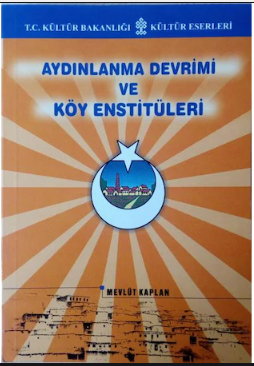
Aydınlanma Devrimi ve Köy Enstitüleri book cover
Aydınlanma Devrimi ve Köy Enstitüleri
2002
First Published
288
Number of Pages

Köy Enstitüleri’nin eğitim tarihimizde unutulmaması gereken bir yeri ve önemi vardır. Yetiştirdiği eğitmenler, öğretmenler ve sağlık memurları dar kalıplardan sıyrılarak halkın arasına karışmışlar ve halk önderleri olmuşlardır. Mevlüt Kaplan’ın hazırladığı bu kitap; Köy Enstitüleri gerçeğinin daha iyi anlaşılması için önemli bir kitaptır. Aydınlanma Devrimi ve Köy Enstitüleri başlıklı bu inceleme, iki buçuk yıl öğretmen kişiliğiyle çalıştığım eşsiz bir eğitim yurdu olan Hasanoğlan Yüksek Köy Enstitüsü'nde, bilgilenme, aydınlanma yolunda, yürek yüreğe, kafa kafaya verip nefes alıp tükettiğim tıpkı öğrenci dostlarımdan biri kabul ettiğim Mevlüt Kaplan'ın inanılmaz bir çaba sonunda kotarıp, gün ışığına çıkardığı değerli bir incelemedir... -Vedat Günyol (Sunuştan)
Authors

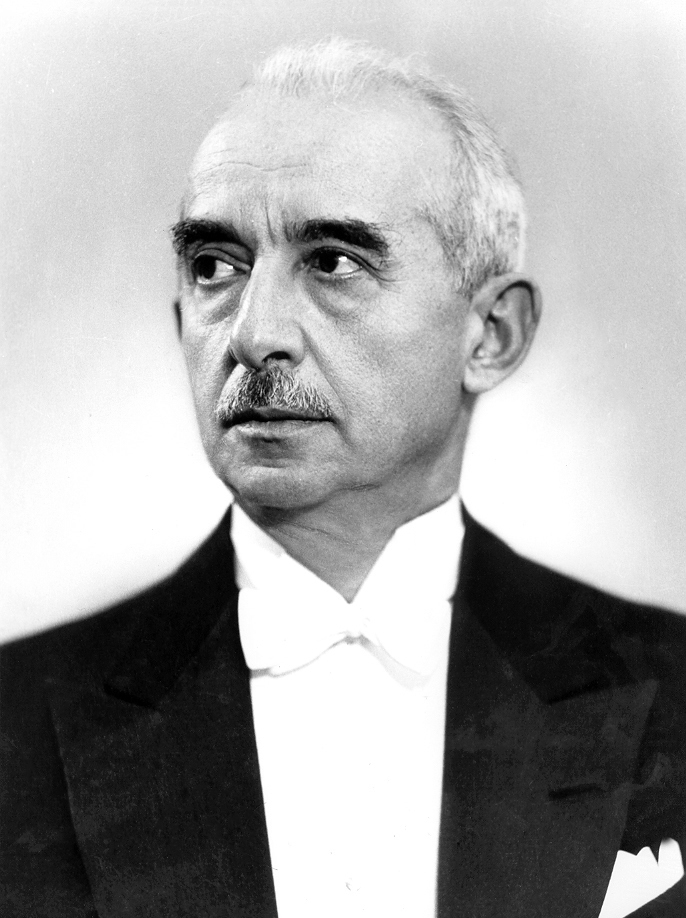
İsmail Hakkı Tonguç
İsmail Hakkı Tonguç
Author · 1 book
Tonguç was born on the 1893 in the village Atmaca in the Ottoman Empire (present-day Sokol in Bulgaria) as the oldest of eight siblings. He attended primary school in his village and high school in Silistre at the Danube river from where he graduated in 1907. After graduating he returned to his family and worked in the fields. In 1914 he was in Istanbul and after several attempts he was able to enter the teachers training school, a boarding school in Kastamonu. After one and a half years in Kastamonu, he demanded his transfer to Istanbul. Arriving in Istanbul in 1916, he learned that the name Hakki was added to his identity card which was a common practice to differentiate the students. After graduation he was spared from military service as a teacher and sent to Germany for further education.[3] He was sent to the teachers train school in Ettlingen near Karlsruhe. After the Occupation of Istanbul at the end of World War I, he was called back and assigned as a teacher in the teachers training school in Eskisehir in 1919. When the allied powers attempted the conquer Eskisehir, Tonguç moved to Ankara. In 1921, he returned to Ettlingen in Germany to complete his studies and returned in 1922. Following he was appointed as a teacher in the teacher training schools in Konya in 1922 and Ankara in 1924.
Mustafa Kemal Atatürk
Author · 18 books

Atatürk, the founder of modern Turkey, was born in 1881 (probably in the spring) in Salonica, then an Ottoman city, now in Greece. His father Ali Riza, a customs official turned lumber merchant, died when Mustafa was still a boy. His mother Zubeyde, a devout and strong-willed woman, raised him and his sister. First enrolled in a traditional religious school, he soon switched to a modern school. In 1893, he entered a military high school where his mathematics teacher gave him the second name Kemal (meaning perfection) in recognition of young Mustafa's superior achievement. He was thereafter known as Mustafa Kemal. In 1905, Mustafa Kemal graduated from the War Academy in Istanbul with the rank of Staff Captain. In 1915, when Dardanelles campaign was launched, Colonel Mustafa Kemal became a national hero by winning successive victories and finally repelling the invaders. Promoted to general in 1916, at age 35, he liberated two major provinces in eastern Turkey that year. In the next two years, he served as commander of several Ottoman armies in Palestine, Aleppo, and elsewhere, achieving another major victory by stopping the enemy advance at Aleppo. On May 19, 1919, Mustafa Kemal Pasha landed in the Black Sea port of Samsun to start the War of Turkish Independence. In defiancé of the Sultan's government, he rallied a liberation army in Anatolia and convened the Congress of Erzurum and Sivas which established the basis for the new national effort under his leadership. On April 23, 1920, the Grand National Assembly was inaugurated. Mustafa Kemal Pasha was elected to its Presidency. Fighting on many fronts, he led his forces to victory against rebels and invading armies. Following the Turkish triumph at the two major battles at Inonu in Western Turkey, the Grand National Assembly conferred on Mustafa Kemal Pasha the title of Commander-in-Chief with the rank of Marshal. At the end of August 1922, the Turkish armies won their ultimate victory. Within a few weeks, the Turkish mainland was completely liberated, the armistice signed, and the rule of the Ottoman dynasty abolished. In July 1923, the national government signed the Lausanne Treaty with Great Britain, France, Greece, Italy, and others. In mid-October, Ankara became the capital of the new Turkish State. On October 29, the Republic was proclaimed and Mustafa Kemal Pasha was unanimously elected President of the Republic. The account of Atatürk's fifteen year Presidency is a saga of dramatic modernization. With indefatigable determination, he created a new political and legal system, abolished the Caliphate and made both government and education secular, gave equal rights to women, changed the alphabet and the attire, and advanced the arts and the sciences, agriculture and industry. In 1934, when the surname law was adopted, the national parliament gave him the name "Atatürk" (Father of the Turks). On November 10, 1938, following an illness of a few months, the national liberator and the Father of modern Turkey died. But his legacy to his people and to the world endures.

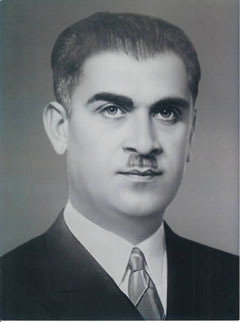
Hasan Âli Yücel
Hasan Âli Yücel
Author · 5 books

Hasan Ali Yücel 16 Aralık 1897'de İstanbul'da doğdu. Aslen Göreleli olan babası; Ertuğrul Fırkateyni'nin kaptanı olan Amiral Osman Bey'in oğlu Ali Rıza Bey'dir, annesi Neyire Hanım ve eşi Gülsüm Refika Hanım'dır. Eğitim yaşamını sırasıyla Mekteb-i Osmani, Vefa idadisi, Cağaloğlu Darülmuallimin-i Âli'ye (Yüksek Öğretmen Okulu) okullarında sürdürdü. İstanbul Üniversitesi Edebiyat Fakültesi Felsefe Bölümü'nü bitirdi ve 19 Aralık 1922'de öğretmenliğe başladı. 12 Temmuz 1932 tarihinde Türk Dili Tetkik Cemiyeti'nin (Türk Dil Kurumu) kurulmasıyla Hasan Âli Yücel etimoloji kolu başkanlığına getirildi. 1934 yılında Cumhuriyet Halk Partisi'nden, İzmir Milletvekili olarak Meclise girdi Hasan Âli Yücel'in bakanlık döneminin MEB'deki en parlak dönemlerden birisi olduğu iddia edilir. 28 Aralık 1938'de Hasan Âli Yücel, 2. Celal Bayar hükümetinde Milli Eğitim Bakanlığı'na getirildi. Üniversite reformu (Ankara Üniversitesi Fen Fakültesi'nin kurulması, Yüksek Mühendis Okulu'nun İTÜ'ye dönüştürülmesi ve Ankara Tıp Fakültesi'nin kurulması), Köy Enstitüleri'nin kurulması, Dünya klasiklerinin Türkçeye çevrilmesi ve ilk resmi ve telifli Türkçe ansiklopedi olan İnönü Ansiklopedisi'nin ön çalışmaları onun bakanlığı döneminde gerçekleşmiştir. Devlet Konservatuvarının kurulması (20 Mayıs 1940), Türkiye'nin UNESCO'ya girişi onun çabaları sonucunda olmuştur. Dört yıllık çabaları sonucunda 25 Haziran 1946'da Üniversiteler Yasası çıkartılır. "Bu yasayla, yüksek öğretim kurumlarının Bakanlıkla olan "sıkı bağı" önemli ölçüde gevşetilmiş, mevcut kuruluşlar yapısal bir bütünlüğe kavuşturulmuş, böylece üniversiteye organik bir karakter kazandırılmıştır. Bu yasanın getirdiği bir başka sonuç da, "dışarıdan gerilim" yerine "içeriden denetim"in getirilmiş olmasıdır. Ankara Üniversitesi de bu yasanın sonucu olarak kurulmuştur." Oğlu şair Can Yücel, babası için "Ben Hayatta En Çok Babamı Sevdim" adlı şiirini yazmıştır.

548 Market St PMB 65688, San Francisco California 94104-5401 USA
© 2026 Paratext Inc. All rights reserved