Margins




548 Market St PMB 65688, San Francisco California 94104-5401 USA
© 2026 Paratext Inc. All rights reserved
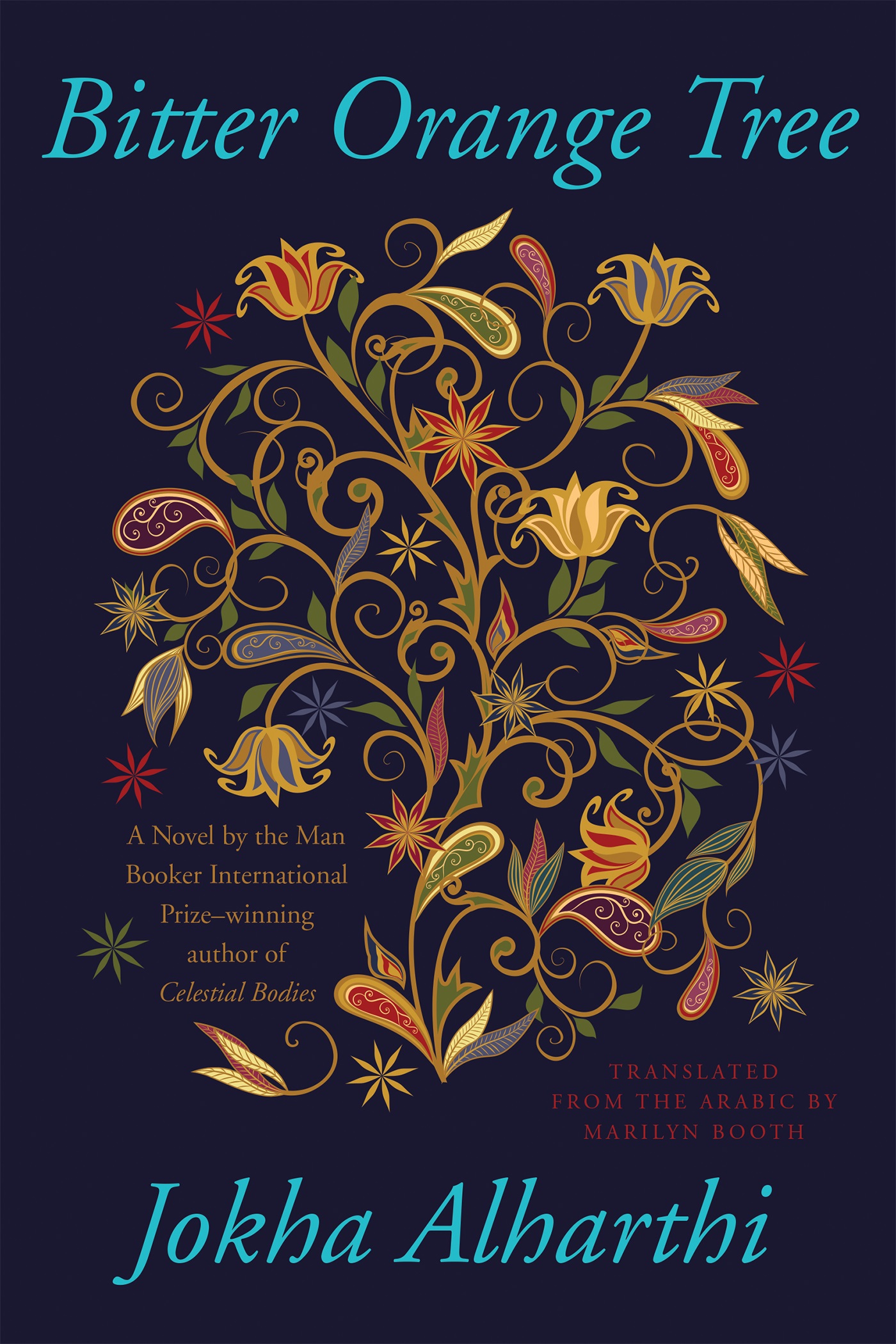
The eagerly awaiting new novel by the winner of the Man Booker International Prize, Bitter Orange Tree is an extraordinary exploration of social status, wealth, desire, and female agency. In prose that is at once restless and profound, it presents a mosaic portrait of one young woman’s attempt to understand the roots she has grown from, and to envisage an adulthood in which her own power and happiness might find the freedom necessary to bear fruit and flourish. Bitter Orange Tree tells the story of Zuhur, an Omani student at a British university who is caught between the past and the present. As she attempts to form friendships and assimilate in Britain, she reflects on the relationships that have been central to her life. Most prominent is her bond with Bint Amir, a woman she has always thought of as her grandmother, who passed away just after Zuhur left the Arabian Peninsula. Bint Amir was not, we learn, related to Zuhur by blood, but by an emotional connection far stronger. As the historical narrative of Bint Amir’s challenged circumstances unfurls in captivating fragments, so too does Zuhur’s isolated and unfulfilled present, one narrative segueing into another as time slips, and dreams mingle with memories.