Margins
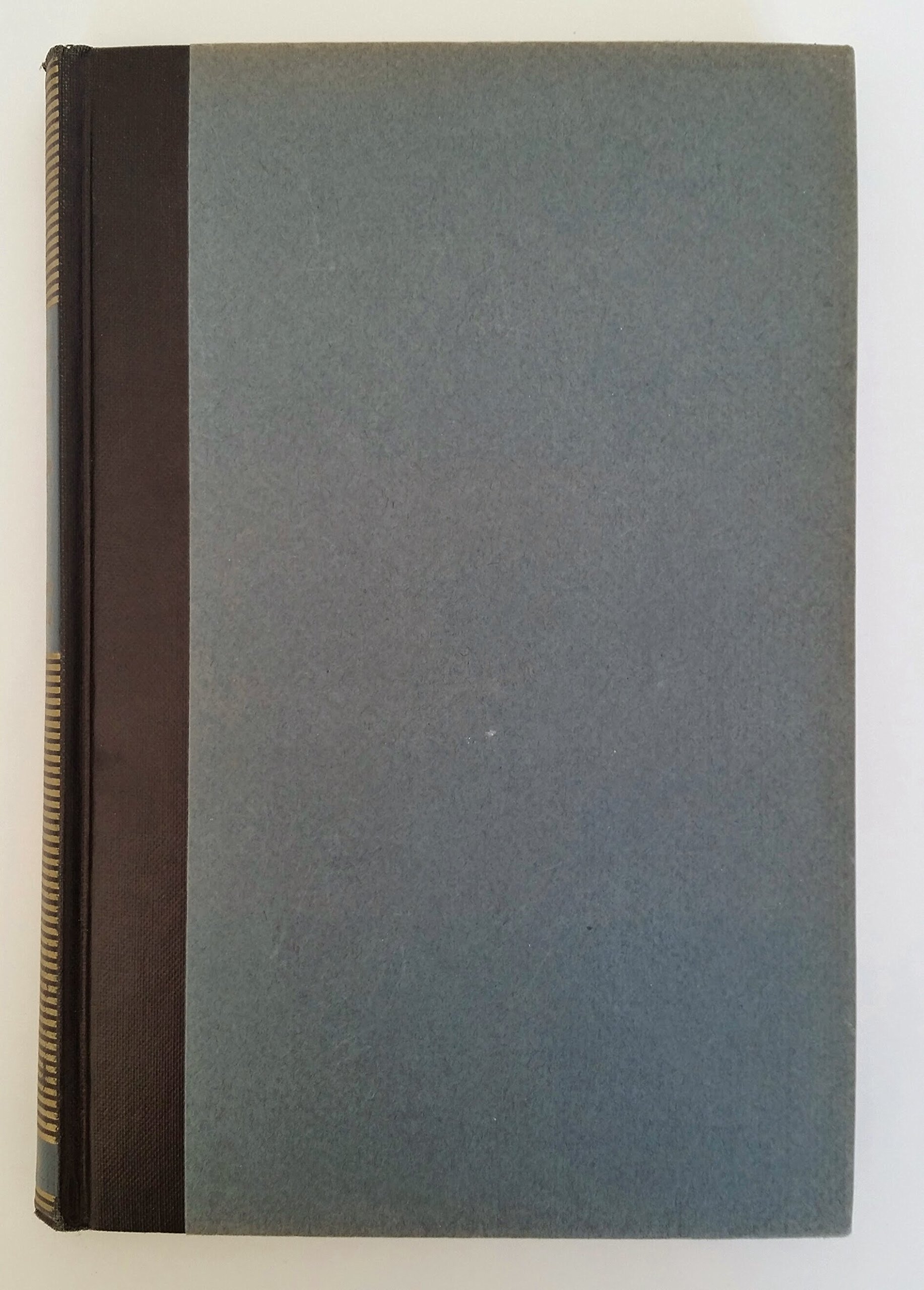
Brave New World Revisted book cover
Brave New World Revisted
1958
First Published
4.00
Average Rating
164
Number of Pages
In Brave New World Revisited, Huxley dispenses with the fictional construct altogether and lets the ideas themselves form and inform his work. In a sense, then, Huxley opened his debate about the future in fiction—for artistic purposes—and then continued it in philosophy with persuasion in mind. Part of Huxley's reason for "revisiting" the themes of Brave New World stems from his horrified recognition that the world he created in fiction was in fact becoming a reality. In the depths of the Cold War, a totalitarian world state—a Communist dictatorship, perhaps—seemed a distinct possibility; and so, with the world on the verge of destruction or tyranny, Huxley felt compelled to search for and find the hope for freedom missing in his novel.

Avg Rating
4.00
Number of Ratings
5
5 STARS
20%
4 STARS
60%
3 STARS
20%
2 STARS
0%
1 STARS
0%
goodreads

Author

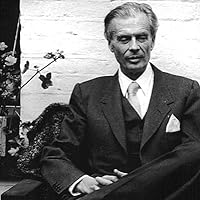
Aldous Huxley
Aldous Huxley
Author · 91 books

Brave New World (1932), best-known work of British writer Aldous Leonard Huxley, paints a grim picture of a scientifically organized utopia. This most prominent member of the famous Huxley family of England spent the part of his life from 1937 in Los Angeles in the United States until his death. Best known for his novels and wide-ranging output of essays, he also published short stories, poetry, travel writing, and film stories and scripts. Through novels and essays, Huxley functioned as an examiner and sometimes critic of social mores, norms and ideals. Spiritual subjects, such as parapsychology and philosophical mysticism, interested Huxley, a humanist, towards the end of his life. People widely acknowledged him as one of the pre-eminent intellectuals of his time before the end of his life.

548 Market St PMB 65688, San Francisco California 94104-5401 USA
© 2026 Paratext Inc. All rights reserved