Margins
Margins
548 Market St PMB 65688, San Francisco California 94104-5401 USA
hello@margins.app
·
+1 (650) 223-5283
Privacy Policy
·
Terms of Use
© 2026 Paratext Inc. All rights reserved
Calvin's New Testament Commentaries
Calvin's New Testament Commentaries
Series · 8 books · 1960-1980
By
John Calvin
Books in series
#1
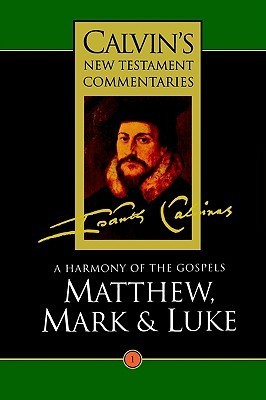
A Harmony of the Gospels
1975
This is a book and is therefore non- returnable. This volume is one of twelve classic commentaries by John Calvin, theologian par excellence of the Reformation, whose expositions of Scripture remain as relevant as ever. Edited by David W. Torrance and Thomas F. Torrance, these twelve commentaries on the New Testament bring Calvin's authoritative voice to life in clear contemporary English. The translations all strive to retain the close coherence of Calvin's ideas and characteristic images while remaining faithful to the Latin text—doing full justice to the Reformer's qualities as one of history's finest expositors of the Word of God.
#2
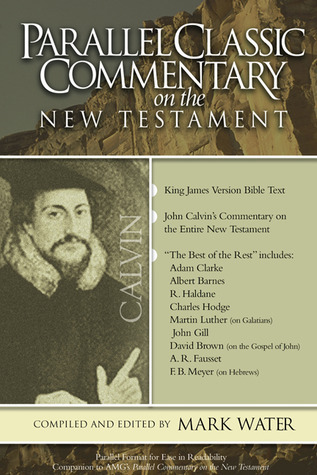
Parallel Classic Commentary On The New Testament
1960
The Parallel Classic Commentary on hte New Testament includes the text of the King James Version and applicable portions from the commentaries of John Calvin on each left-hand page, and excerpts from the writings of nine other commentators on the right-hand page. Read the biblical text and glance across the page to get the interpretations and meditations of these classic commentators. All the contributors are known for their conservative, evangelical theological positions and their incisive Bible commentaries.The list of contributors for this commentary are as Calvin (entire New Testament)Adam Clarke (Matthew, Mark, Luke, Jude)David Brown (John)A. R. Fausset (1, 2 Timothy, Titus)Albert Barnes (Acts, 1, 2 Thessalonians, James, Revelation)Robert Haldane (Romans)Charles Hodge (1, 2 Corinthians)Martin Luther (Galatians)John Gill (Ephesians, Philippians, Colossians, Philemon, 1, 2, 3, John)F. B. Meyer (Hebrews)
#3
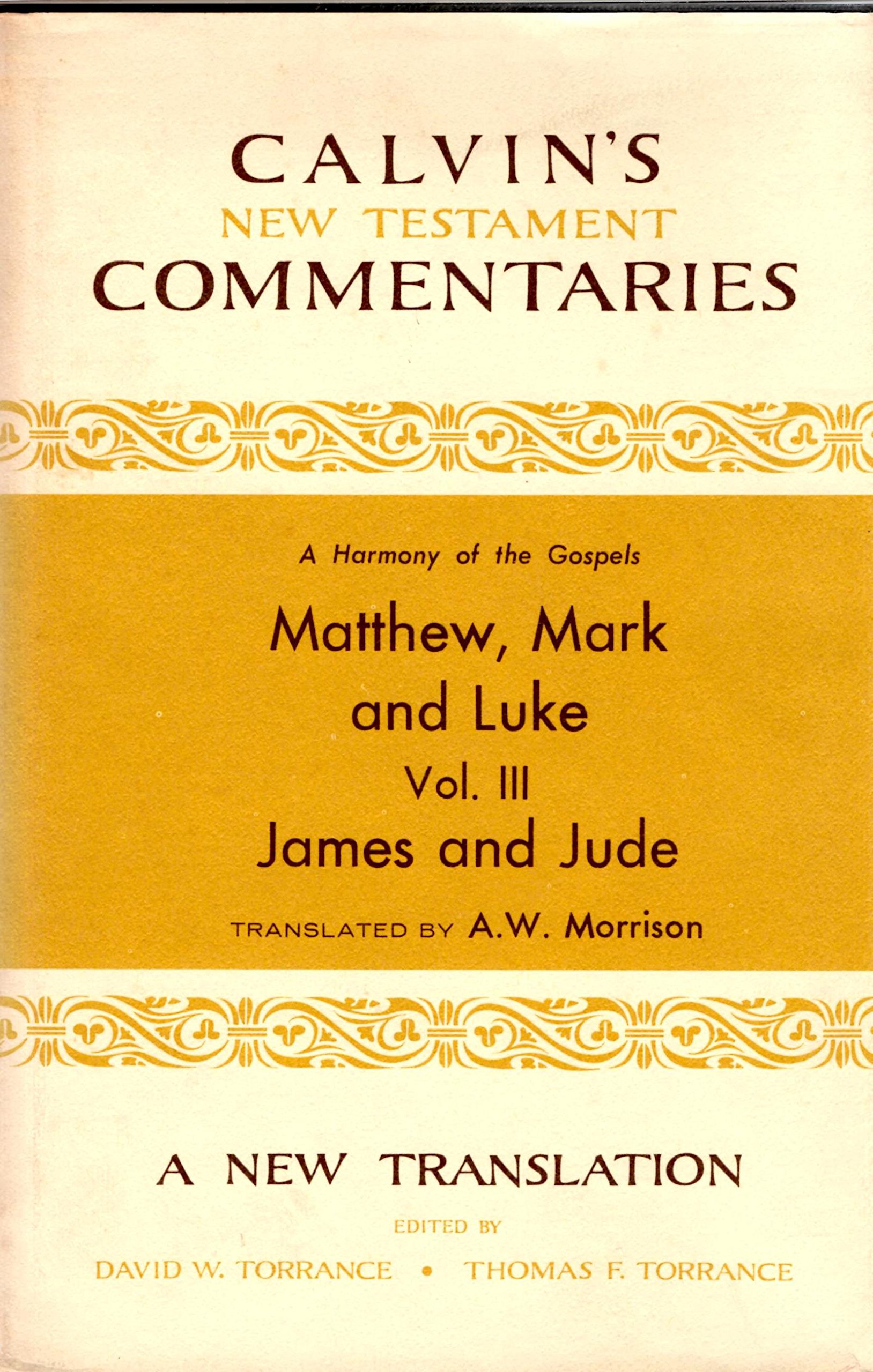
Matthew, Mark, and Luke
1975
Book by Calvin, John
#4
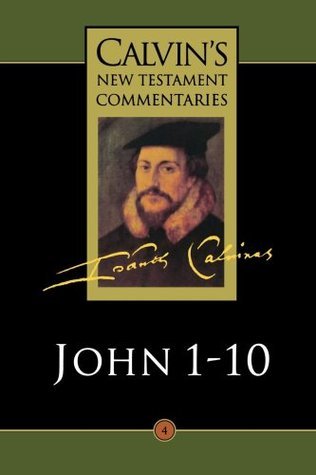
Calvin's Bible Commentaries
1961
This volume contains commentary on the Gospel of John chapters 1-10. These classic commentaries by Calvin laid the basis for later scholarly exegesis of the Bible. The commentary is verse-by-verse, with anywhere from a paragraph to a whole page of commentary per verse. This is a completely new translation into modern English of Calvin's Commentaries on the New Testament.
#5
Gospel According to St John 11-21
1975
This volume contains John Calvin's commentary on chapters 11-21 of the Gospel of John and the First Epistle of John. Calvin, theologian par excellence of the Reformation, laid the foundation for all later Proestent exegesis of the Bible. Marked by an honest, careful handling of the text, Calvin's expositions of Scripture remain as "modern" as ever in their relevance to today's student.
#6
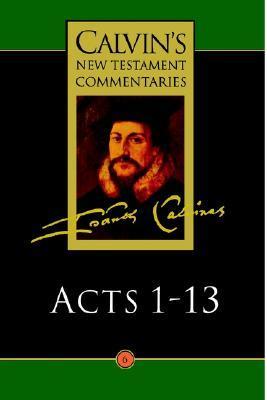
Acts of the Apostles 1-13
1980
The power of John Calvin's study of the first thirteen chapters of Acts is captured in this superb translation by W. J. G. McDonald. Precise and authoritative, yet lucid and very readable, this volume will enrich all who are interested in understanding th
#8
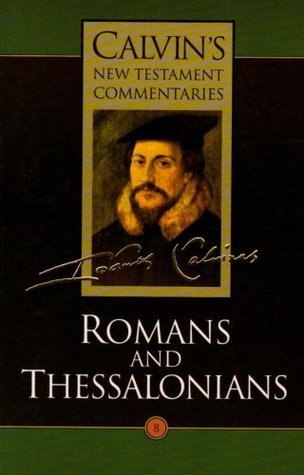
Romans and Thessalonians
1980
The power of John Calvin's study of Romans and of 1 and 2 Thessalonians is captured in this superb translation by R. Mackenzie. Precise and authoritative, yet lucid and very readable, this volume will enrich all who are interested in understanding the full breadth and depth of these important sections of Scripture.
#9
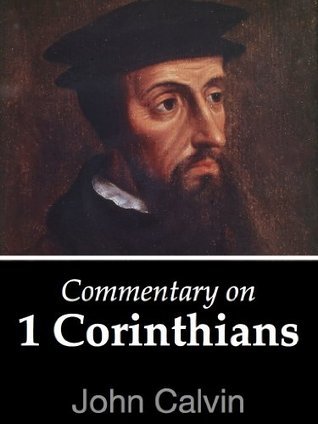
Commentary on 1 Corinthians
1980
For hundreds of years John Calvin's Commentaries have been admired and relied upon for their deep insights into Scripture. Charles Spurgeon told his students, "It would not be possible for me too earnestly to press upon you the importance of reading the expositions of that prince among men, John Calvin! Of all commentators I believe John Calvin to be the most candid. He was no trimmer and pruner of texts. He gave their meaning as far as he knew it. His honest intention was to translate the Hebrew and the Greek originals as accurately as he possibly could, and then to give the meaning which would naturally be conveyed by such Greek and Hebrew words: he laboured, in fact, to declare, not his own mind upon the Spirit's words, but the mind of the Spirit as couched in those words." And even Arminius himself admitted, "Next to the perusal of the Scriptures, which I earnestly inculcate, I exhort my pupils to peruse Calvin's commentaries, for I affirm that he excels beyond comparison in the interpretation of Scripture, and that his commentaries ought to be more highly valued than all that is handed down to us by the Library of the Fathers; so that I acknowledge him to have possessed above most others, or rather above all other men, what may be called an eminent gift of prophecy."
Author
John Calvin
Author · 90 books