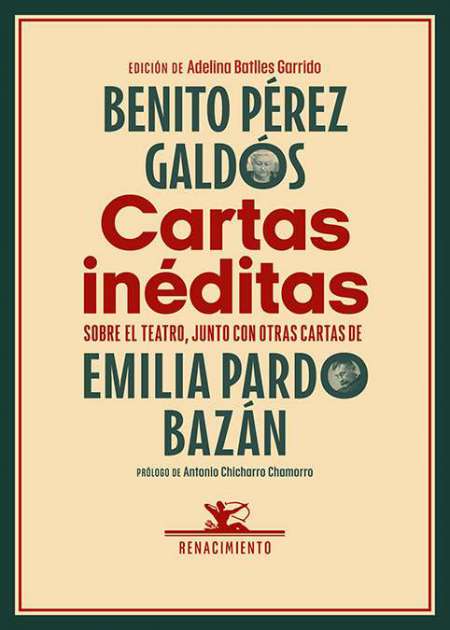
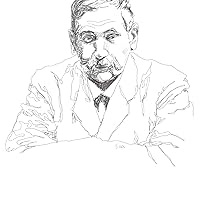
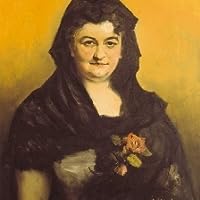
Adelina Batlles Garrido presenta en este libro una correspondencia inédita, un total de cincuenta y una cartas de Benito Pérez Galdós a varios corresponsales. Se incluyen también cinco cartas de Emilia Pardo Bazán a Galdós correspondientes a los inicios de su relación. Con este libro concluye un trabajo de años relacionado con el legado que recibió Adelina de Antonio Moreno Martín, propietario de la librería Garnata (Almería), consistente en una carpeta con numerosos textos autógrafos e inéditos del escritor canario y Emilia Pardo Bazán. Gracias a este estudio y epistolario podemos llegar a la conclusión de que la irrupción de Galdós en la escena española, en 1892, se debe en buena parte a la influencia que ejerció la ilustre escritora gallega sobre el escritor canario, cuya actividad mantendrá hasta el final de su vida. Así puede constatarse en estas emotivas cartas, fechadas entre 1901 y 1917 en las que el teatro es su telón de fondo. En estas cartas Galdós condensa gran parte de su vida, como padre, amante, político y dramaturgo. A pesar de su ceguera, cosa que se advierte en la grafía de estas cartas, Galdós nunca dejó de preocuparse por sus seres queridos y la realidad española.