Margins


548 Market St PMB 65688, San Francisco California 94104-5401 USA
© 2026 Paratext Inc. All rights reserved

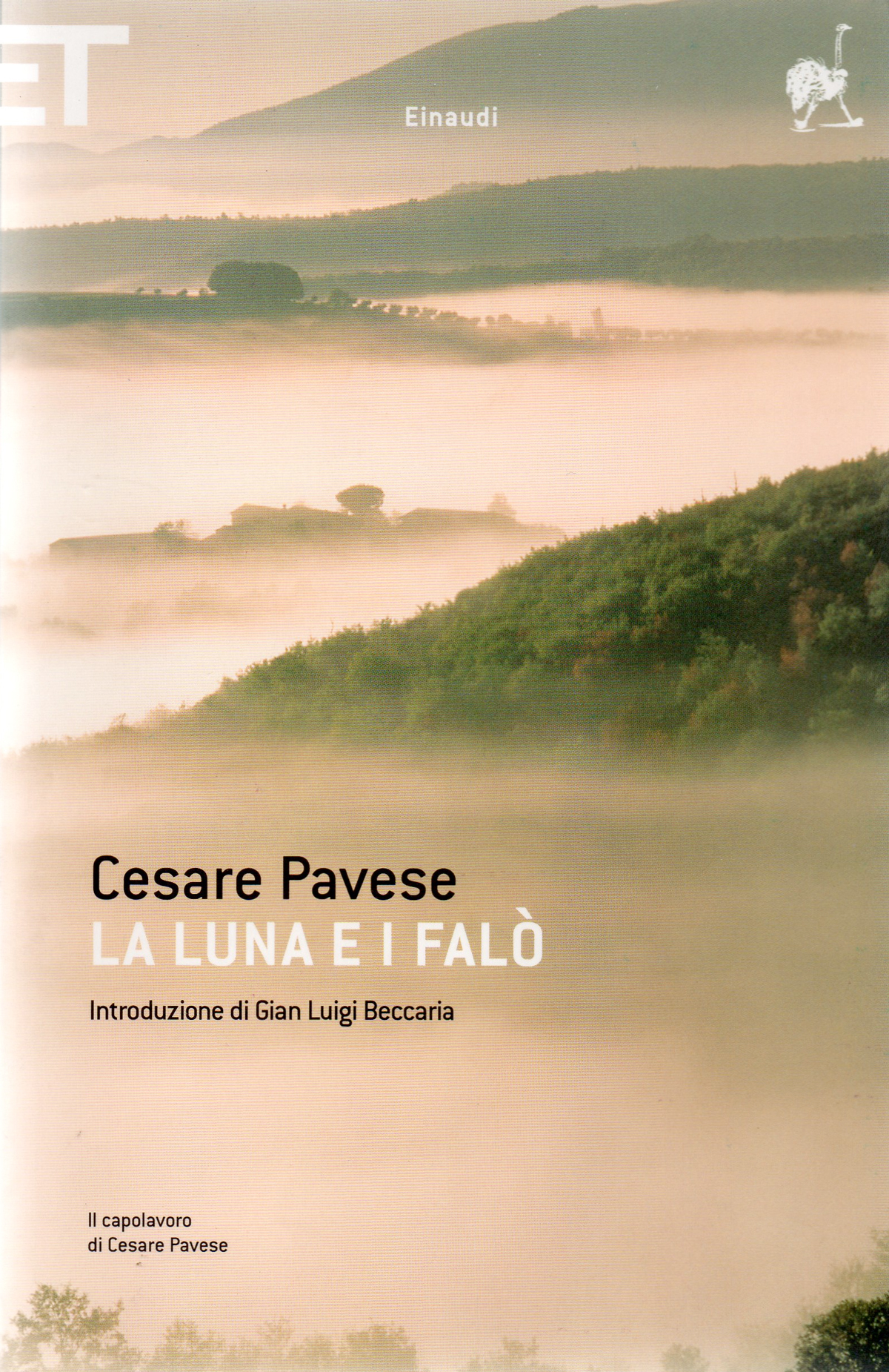
Cesare Pavese was born in a small town in which his father, an official, owned property. He attended school and later, university, in Turin. Denied an outlet for his creative powers by Fascist control of literature, Pavese translated many 20th-century American writers in the 1930s and '40s: Sherwood Anderson, Gertrude Stein, John Steinbeck, John Dos Passos, Ernest Hemingway, and William Faulkner; a 19th-century writer who influenced him profoundly, Herman Melville (one of his first translations was of Moby Dick); and the Irish novelist James Joyce. He also published criticism, posthumously collected in La letteratura americana e altri saggi (1951; American Literature, Essays and Opinions, 1970). His work probably did more to foster the reading and appreciation of U.S. writers in Italy than that of any other single man. A founder and, until his death, an editor of the publishing house of Einaudi, Pavese also edited the anti-Fascist review La Cultura. His work led to his arrest and imprisonment by the government in 1935, an experience later recalled in “Il carcere” (published in Prima che il gallo canti, 1949; in The Political Prisoner, 1955) and the novella Il compagno (1947; The Comrade, 1959). His first volume of lyric poetry, Lavorare stanca (1936; Hard Labour, 1976), followed his release from prison. An initial novella, Paesi tuoi (1941; The Harvesters, 1961), recalled, as many of his works do, the sacred places of childhood. Between 1943 and 1945 he lived with partisans of the anti-Fascist Resistance in the hills of Piedmont. The bulk of Pavese's work, mostly short stories and novellas, appeared between the end of the war and his death. Partly through the influence of Melville, Pavese became preoccupied with myth, symbol, and archetype. One of his most striking books is Dialoghi con Leucò (1947; Dialogues with Leucò, 1965), poetically written conversations about the human condition. The novel considered his best, La luna e i falò (1950; The Moon and the Bonfires, 1950), is a bleak, yet compassionate story of a hero who tries to find himself by visiting the place in which he grew up. Several other works are notable, especially La bella estate (1949; in The Political Prisoner, 1955). Shortly after receiving the Strega Prize for it, Pavese took his own life in his hotel room by taking an overdose of pills.
2025
2024
2022
2022
2022
2022
2021
Poesie d'amore
2021
2021
2000
1997
1980
1980
1979
1979
1973
1973
1973
1969
1969
1968
1965
Essays and Opinions
1962
Diaries 1935-1950
1961
Complete Poems 1930-1950.
1961
1960
1959
1953
Diaries 1935-1950
1952
1951
1949
1949
1949
1948
1948
1948
1948
1947
1947
1946
1942
1941
1937
1390