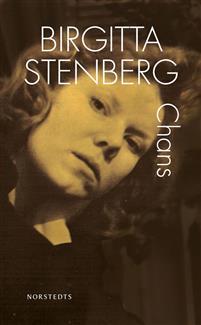
Chans handlar om den 16-åriga Stockholmsflickan Mari som varit på skyddshem i Skåne och nu är på rymmen från sin övervakare. Hon liftar tillbaka till Stockholm, till det gamla gänget. På vägen träffar hon många udda och vinddrivna existenser, men också den litteräre gymnasisten Stefan som representerar en helt annan klass och miljö än den Mari känner. Han ger henne en chans till ett annat liv än det hon hittills levt, men kommer hon ta den chansen? Chans innebär det stora genombrottet för Birgitta Stenberg, både kritikermässigt och publikt. Originalupplagan från 1961 trycktes i sju upplagor och sålde i över 20 000 exemplar. Fler utgåvor skulle följa, romanen blev filmad och författarinnan i pressen utnämnd till raggardrottning.
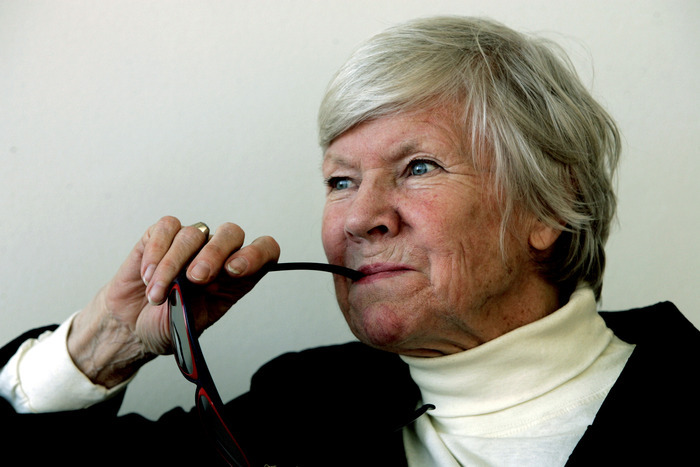
Author

Birgitta Stenberg was born in Stockholm in 1932. She was educated in Visby and finally in Paris. Stenberg spent a lot of time in southern Europe improving her language skills. She became a Swedish author, translator and illustrator. Stenberg was, during the early 1950s, a part of the literary assembly Metamorfosgruppen. She wrote the script for the film Raskenstam. During the Cold War in the 1950s, Stenberg was named secretary of the Swedish department of the Congress for Cultural Freedom and editor for Kulturkontakt which was founded by the CIA under the cover name of Ford Foundation. Stenbergs first novel Fritt förfall was refused by Bonnier Group in 1952 due to the novels "lack of literary quality". According to the authour herself, the publishing house was put off by the novels controversial lesbian motive. The novel was published in 2008. Stenberg later wrote an autobiographical suit that deals with sex, drugs and art making, starting with Kärlek i Europa in 1981 and continuing with Apelsinmannen (1983), Spanska trappan (1987) and Alla vilda (2004). In 2009, she argued for the legalization of cannabis during the live studio news show Rapport. Stenberg's first published novel was Mikael och Poeten in 1956. The novel dealt with the Kejne Affair, a topic that is further explored in the later work Apelsinmannen. She worked at the radio interception at the Ministry for Foreign Affairs, as a journalist at the magazine Arbetaren (The Worker), as an interpreter, fisherman and local politician for the Left Party.