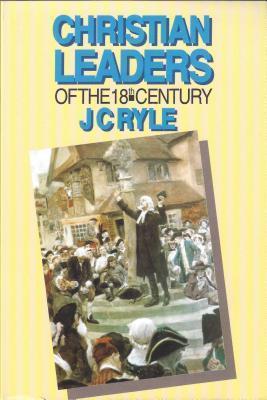
Christian Leaders of the Eighteenth Century (Updated, Annotated)
By J.C. Ryle
1963
First Published
4.40
Average Rating
436
Number of Pages
Although much has been written on the evangelical revival of the 18th century, J.C. Ryle's account remains the best popular introduction to this gerat spiritual era. The best introduction to the 18th century and undoubtedly Ryle's finest piece of historical writing. Contains vivid biographies of the men who 'shook England from one end to the another',giving strong reasons for his belief 'that excepting Luther and his Continental contemporaries, and our own martyred Reformers, the world has seen no such men since the days of the apostles.' But Ryle does not write to prompt admiration, and his conclusions and applications of his subject are among the most forceful that ever came from his pen. 'I am obliged to say plainly that, in my judgement, we have among us neither the men nor the doctrines of the days gone by...Once let the evangelical ministry return to the ways of the 18th century, and I firmly believe we should have as much success as before. We are where we are, because we have come short of our fathers.'

Avg Rating
4.40
Number of Ratings
172
5 STARS
54%
4 STARS
35%
3 STARS
9%
2 STARS
1%
1 STARS
1%
goodreads
Author

J.C. Ryle
Author · 55 books
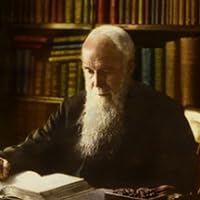
Ryle started his ministry as curate at the Chapel of Ease in Exbury, Hampshire, moving on to become rector of St Thomas', Winchester in 1843 and then rector of Helmingham, Suffolk the following year. While at Helmingham he married and was widowed twice. He began publishing popular tracts, and Matthew, Mark and Luke of his series of Expository Thoughts on the Gospels were published in successive years (1856-1858). His final parish was Stradbroke, also in Suffolk, where he moved in 1861, and it was as vicar of All Saints that he became known nationally for his straightforward preaching and firm defence of evangelical principles. He wrote several well-known and still-in-print books, often addressing issues of contemporary relevance for the Church from a biblical standpoint. He completed his Expository Thoughts on the Gospels while at Stradbroke, with his work on the Gospel of John (1869). His third marriage, to Henrietta Amelia Clowes in 1861, lasted until her death in 1889.